
Tesla’s LFP Battery Outperforms Nickel Variants in Real-World Tests
Updated July 15, 2026
3 min read
1 linked source
A recent analysis of nearly 10,000 EV battery tests reveals that Tesla's Model 3 equipped with CATL's lithium iron phosphate (LFP) battery maintains an average of 93.3% battery health after more than 62,000 miles. This performance surpasses all nickel-based battery versions of the Model 3 in the dataset. The findings highlight significant differences in battery longevity based on the type of battery used.
Share this story
Why it matters
- ✓The LFP battery's superior longevity may lead to lower long-term ownership costs for Model 3 buyers.
- ✓Potential buyers may prefer the LFP version for its better charge retention, especially for those who drive frequently or rely on their vehicle for long distances.
- ✓This information could influence consumer decisions regarding battery type when purchasing a Tesla Model 3.
Reporting notes
EV Signal briefs are written to explain the verified change first, then add the context EV buyers and owners need to understand cost, availability, charging access, eligibility, or ownership impact.
If details are still developing, we try to say what is confirmed, what comes from secondary reporting, and what readers should verify before acting.
Source mix
1 linked source
1 media
Reviewed from: Electrek.
Tesla’s LFP Battery Outperforms Nickel Variants in Real-World Tests
A new analysis has revealed that the Tesla Model 3 equipped with CATL's lithium iron phosphate (LFP) battery significantly outperforms its nickel-based counterparts in terms of battery health. According to the study, which examined nearly 10,000 real-world EV battery tests, the Model 3 with the LFP pack averaged an impressive 93.3% battery health after more than 62,000 miles of driving. This finding positions the LFP version as the most durable option among the tested battery types.
What Changed
The analysis indicates a clear distinction in battery performance based on the type of battery used in the Tesla Model 3. While nickel-based batteries have been the standard for many electric vehicles, the LFP battery has shown a remarkable ability to retain charge over extensive use. This performance advantage is particularly noteworthy for consumers considering the long-term viability of their electric vehicle's battery.
Why It Matters for Buyers/Owners
The implications of this study are significant for current and prospective Tesla Model 3 owners:
- Lower Long-Term Costs: The LFP battery's longevity could translate to reduced replacement costs and better overall value for owners who drive their vehicles frequently.
- Consumer Preference: Buyers may increasingly opt for the LFP version of the Model 3, knowing it offers better charge retention and durability compared to nickel variants.
- Market Influence: As consumers become more aware of battery performance differences, this could shift market dynamics and influence future EV purchases beyond just Tesla.
Key Details from Source Material
The study highlighted the performance of the LFP battery in real-world conditions, demonstrating that it holds up better than all nickel-based versions of the Model 3 in the dataset. This finding is particularly relevant for those who prioritize battery health and longevity in their purchasing decisions. The analysis underscores the importance of battery chemistry in electric vehicle performance, especially as the industry continues to evolve.
What to Watch Next
As the electric vehicle market continues to grow, it will be important to monitor how these findings influence consumer preferences and manufacturer strategies. Additionally, further studies may provide more insights into the long-term performance of various battery types across different models and manufacturers. Keeping an eye on Tesla's future battery developments and any updates regarding battery technology will also be crucial for consumers looking to make informed decisions about their electric vehicle purchases.
Sources
These are the documents and reports used to build this brief so readers can verify the story directly.
- Tesla’s LFP battery holds its charge better, study says — ElectrekMEDIA
Comments
Log in with
Loading comments…
More in Ownership
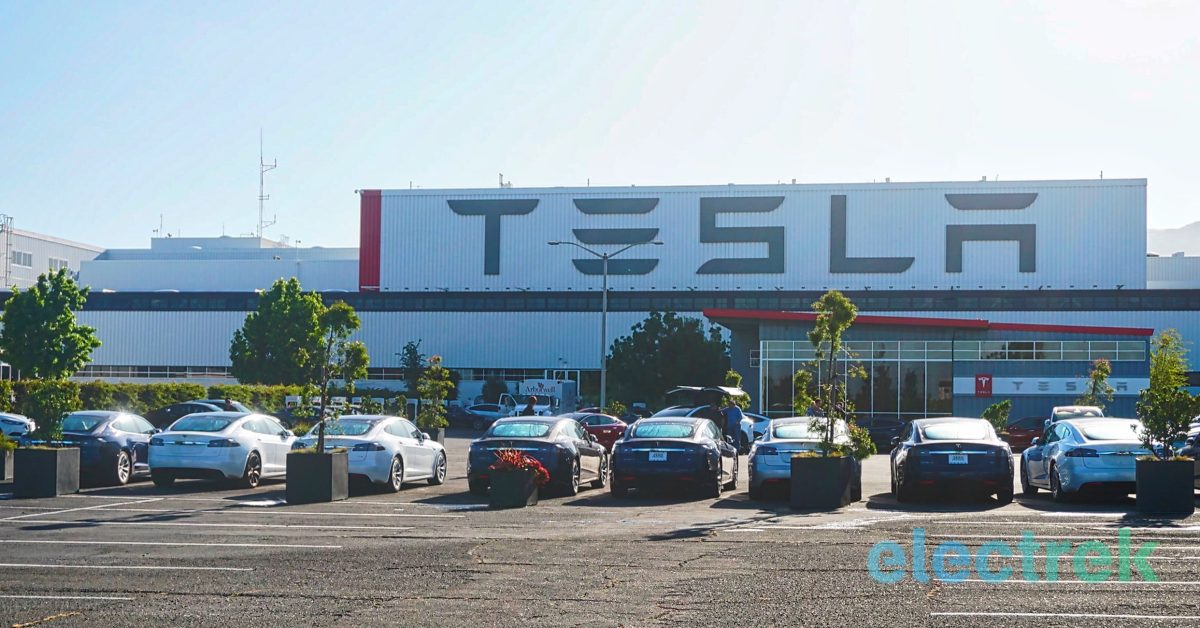
Tesla's Lawyers Misled Witness in Racism Trial
Tesla's ongoing racism trial in California has faced significant setbacks as it was revealed that a…
18h ago
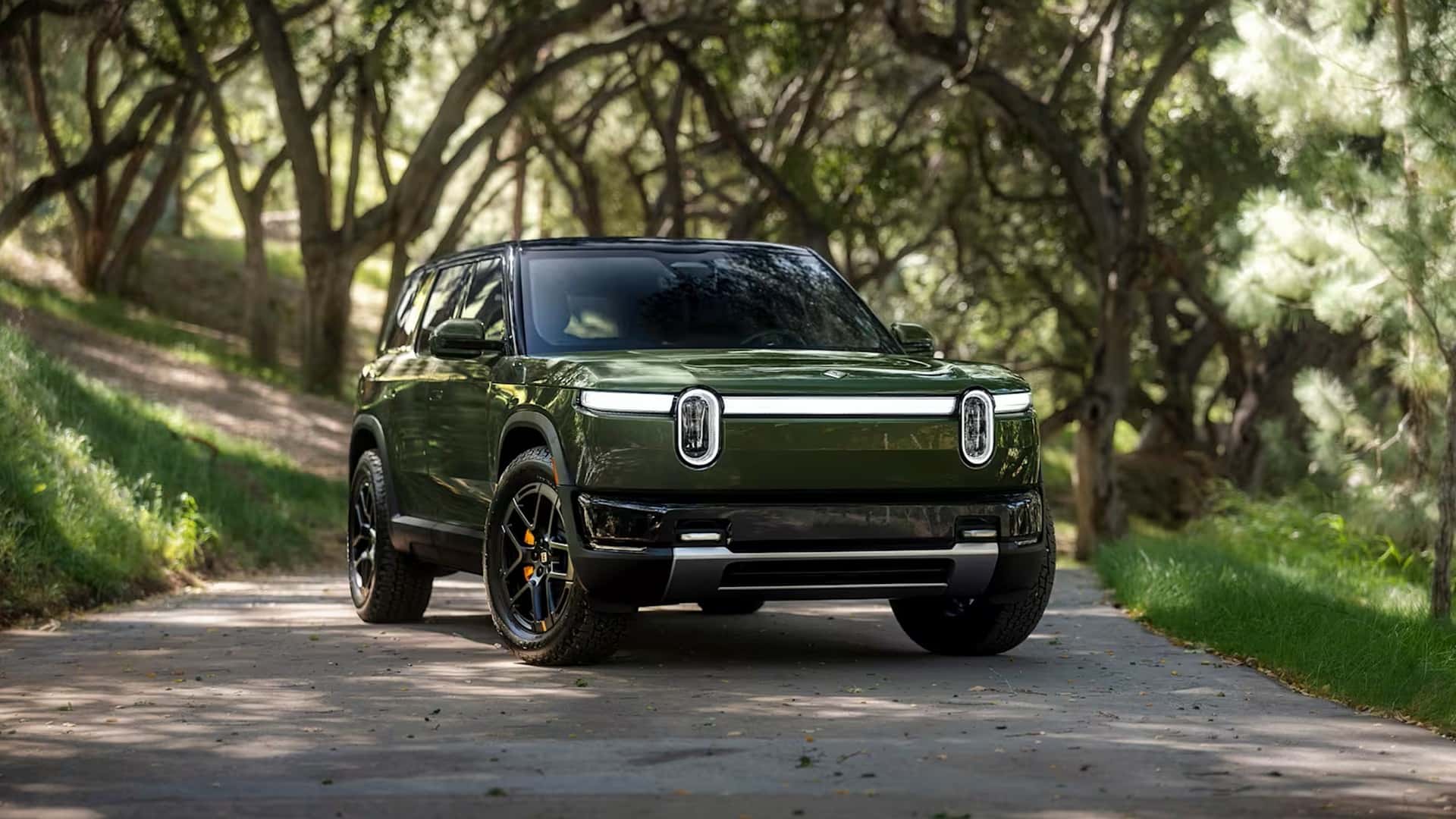
Rivian R2 Faces First Recall Due to Camera Issue
Rivian has issued a recall affecting nearly 99,000 vehicles, including some of its new R2 models,…
18h ago
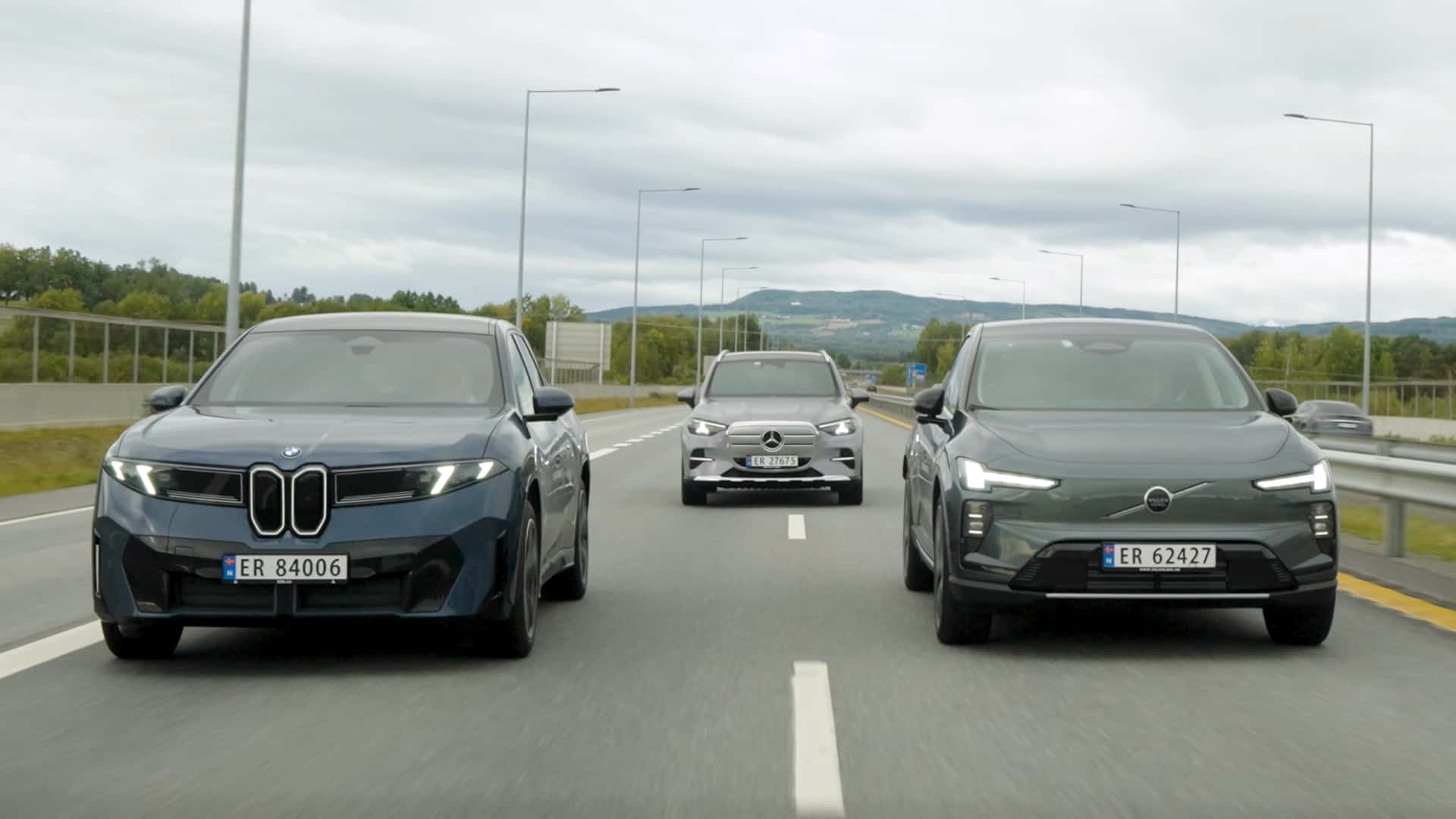
BMW iX3 Outperforms Mercedes GLC and Volvo EX60 in Highway Efficiency Test
In a recent highway test, the BMW iX3 demonstrated superior energy efficiency and range compared to…
1d ago
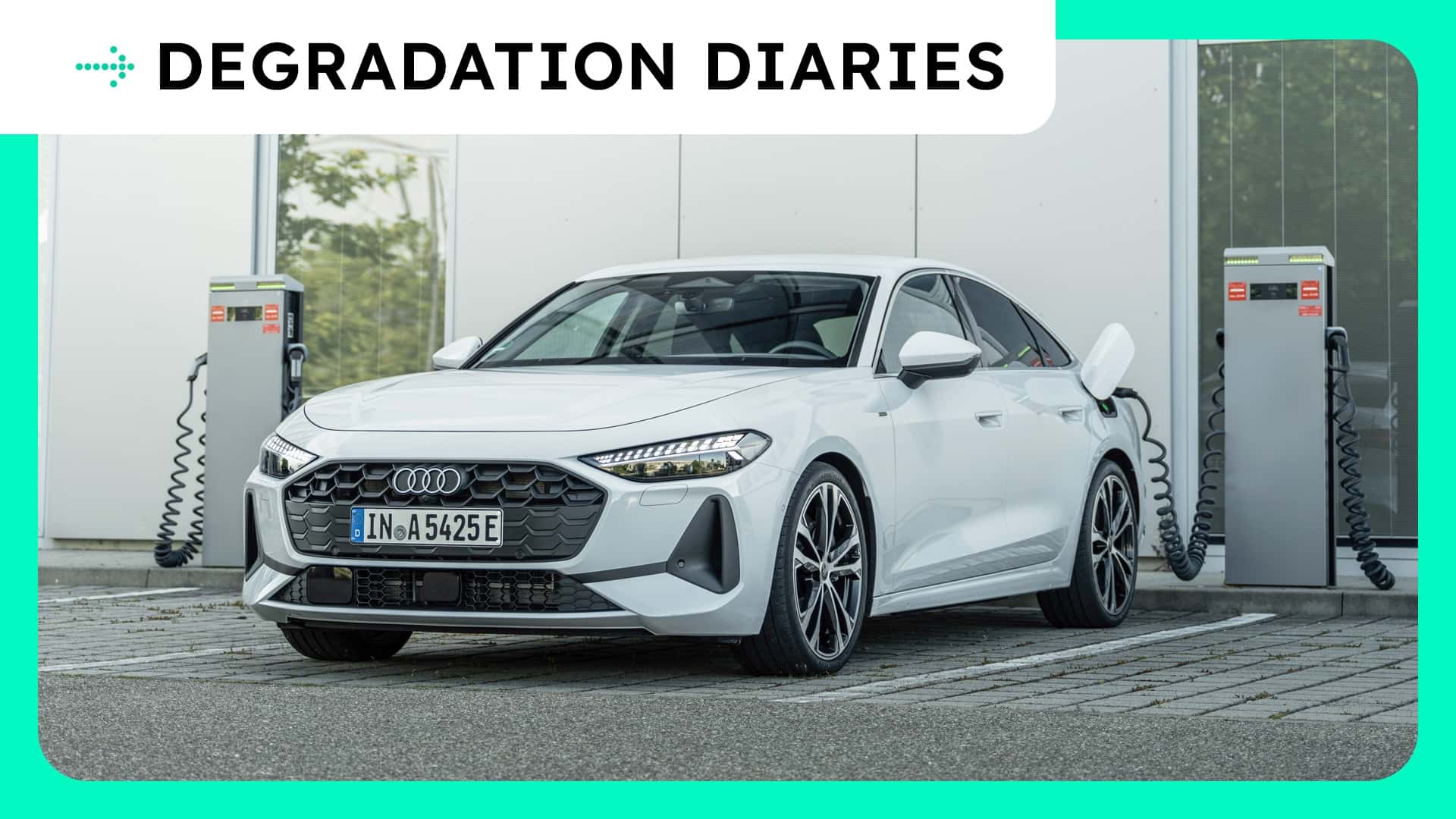
PHEV Batteries Show Resilience Despite Frequent Cycling
Plug-in hybrid electric vehicles (PHEVs) experience more frequent battery cycling than fully…
1d ago