LFP Battery Outperforms Other Tesla Model 3 Variants in Degradation Test
A recent comparison of four Tesla Model 3 battery variants after 62,000 miles revealed that the CATL LFP battery pack retained the most of its initial capacity. This finding highlights the potential advantages of LFP technology in terms of longevity. However, the study does not provide detailed information on other performance metrics or conditions during the testing.

Key takeaways
30-second read- 1The superior longevity of the LFP battery may lead to lower ownership costs for Model 3 owners, as less frequent battery replacements could be necessary.
- 2Potential buyers may prefer the LFP variant for its durability, which could influence purchasing decisions.
- 3Understanding battery degradation can help EV owners manage their vehicle's performance and resale value.
Confirmed
No official source linked yet
Reported
Secondary reporting: InsideEVs
Verify yourself
Eligibility, local prices and dates for your car, state or utility
LFP Battery Outperforms Other Tesla Model 3 Variants in Degradation Test
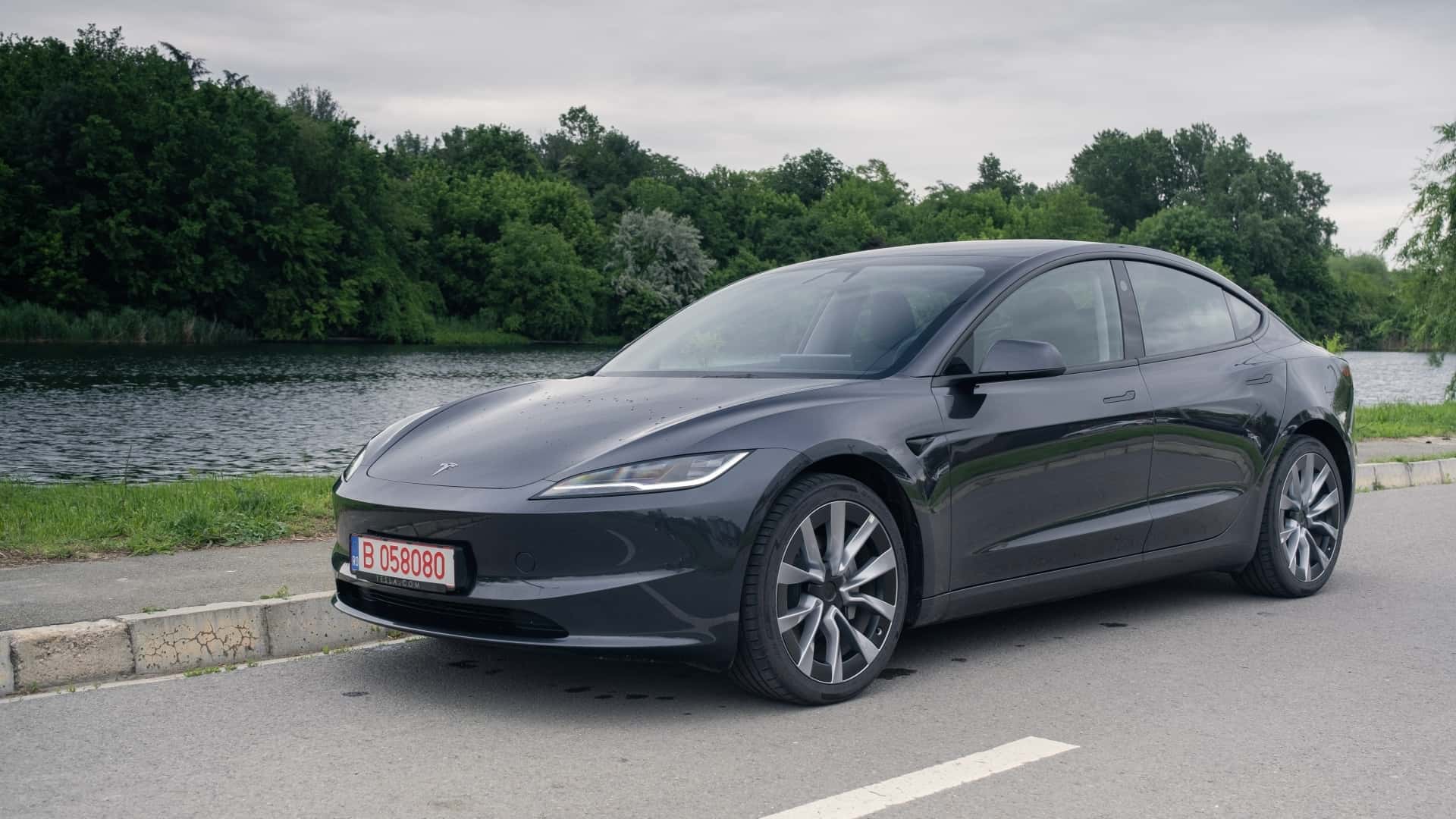
A recent study comparing four Tesla Model 3 battery variants after 62,000 miles has shown that the CATL LFP (Lithium Iron Phosphate) battery pack retained the most of its initial capacity. This finding suggests that LFP technology may offer significant advantages in terms of battery longevity compared to other battery types used in the Model 3.
What Changed
The comparison focused on the degradation of different battery packs in the Tesla Model 3, specifically looking at how much of their initial capacity they retained after extensive use. The CATL LFP pack emerged as the clear winner, indicating that it experiences less degradation over time compared to its counterparts. This is particularly relevant for current and prospective Tesla Model 3 owners who are concerned about battery life and performance as their vehicles age.
Why It Matters for Buyers/Owners
The results of this comparison have several implications for EV buyers and owners:
- Lower Ownership Costs: The LFP battery's superior longevity may lead to reduced ownership costs, as owners may not need to replace their batteries as frequently as those with other battery types.
- Informed Purchasing Decisions: Potential buyers may lean towards the LFP variant, knowing it has demonstrated better capacity retention, which could influence their choice when purchasing a Model 3.
- Performance Management: Understanding how different batteries degrade can help current owners manage their vehicle's performance and resale value more effectively.
Key Details from Source Material
According to InsideEVs, the study specifically highlighted the performance of the CATL LFP battery pack, which retained the most capacity after 62,000 miles of driving. While the article provides a clear winner in terms of battery degradation, it does not delve into other performance metrics or the specific conditions under which the testing was conducted. This lack of detail leaves some questions unanswered regarding the overall performance of the LFP battery in various driving conditions.
What to Watch Next
As the EV market continues to evolve, it will be important to monitor further studies and comparisons that may provide additional insights into battery performance and longevity. Additionally, Tesla's ongoing developments in battery technology could lead to new variants or improvements in existing models. Keeping an eye on these advancements will be crucial for both current owners and potential buyers looking to make informed decisions about their electric vehicle investments.
Buying guide: Best OBD2 Scanner for EVs (2026): Checking Battery Health on a Used EV
Sources
1 media- [1]LFP Wins This Tesla Model 3 Battery Degradation ComparisonMedia
InsideEVs · insideevs.com · published Jul 15
Newsletter
Weekly EV signal. No spam.
Comments
Log in with
Loading comments…