Hyundai’s $5 Billion EV Battery Plant In Georgia Powers Up
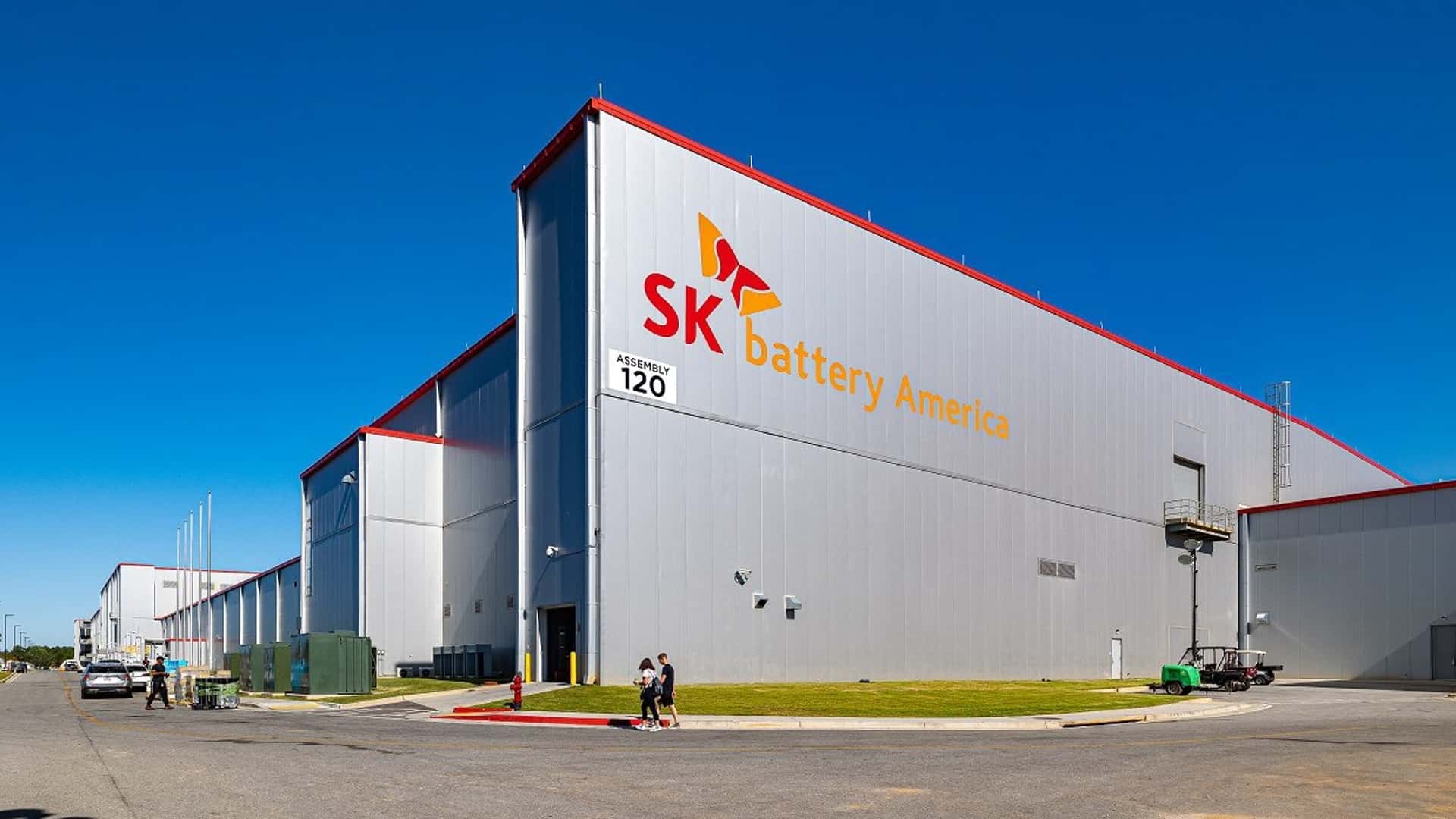
Hyundai has officially launched its $5 billion electric vehicle battery plant in Georgia, in collaboration with Korean battery manufacturer SK On. This facility will supply batteries to the nearby Metaplant America, which is expected to enhance local EV production. The full impact on battery supply and pricing for consumers remains to be seen.

Key takeaways
30-second read- 1Increased battery production could lead to improved availability of EVs in the market, potentially lowering prices.
- 2The collaboration with SK On may enhance the quality and efficiency of batteries used in Hyundai's EV lineup.
- 3Local production of batteries could reduce supply chain issues that have previously affected EV availability.
Confirmed
No official source linked yet
Reported
Secondary reporting: InsideEVs
Verify yourself
Eligibility, local prices and dates for your car, state or utility
Hyundai’s New Battery Plant Launches
Hyundai has officially powered up its $5 billion electric vehicle (EV) battery plant in Georgia, marking a significant step in the automaker's efforts to bolster its EV production capabilities. This facility, developed in partnership with Korean battery manufacturer SK On, is set to supply batteries for the nearby Metaplant America, which is crucial for Hyundai's expanding EV lineup.
What Changed
The launch of the battery plant is a pivotal development for Hyundai as it seeks to enhance its EV offerings in the competitive automotive market. The collaboration with SK On aims to streamline battery production, ensuring that Hyundai can meet the growing demand for electric vehicles. While the plant is now operational, the full extent of its impact on battery supply and pricing for consumers is still being evaluated.
Why It Matters for Buyers and Owners
- Increased Battery Production: The new plant is expected to ramp up battery production, which could lead to a more stable supply of EVs in the market. This may help lower prices for consumers in the long run.
- Quality and Efficiency: Partnering with SK On, a well-known battery manufacturer, may enhance the quality and efficiency of the batteries used in Hyundai's electric vehicles, potentially improving performance and longevity.
- Local Production Benefits: By producing batteries locally, Hyundai may mitigate some of the supply chain issues that have previously hindered EV availability, making it easier for buyers to purchase their desired models.
Key Details from the Source Material
According to InsideEVs, the new battery plant represents a significant investment by Hyundai, reflecting the automaker's commitment to the EV market. The collaboration with SK On is particularly noteworthy, as it combines Hyundai's automotive expertise with SK On's battery technology, potentially leading to innovations in battery design and performance. The plant's proximity to Metaplant America is also strategic, as it allows for a more integrated manufacturing process, reducing transportation costs and time.
What to Watch Next
As the plant begins operations, it will be important to monitor how quickly it can scale up production and what that means for the availability of Hyundai's EV models. Additionally, any updates on pricing strategies or new models that will utilize these batteries will be crucial for potential buyers. The automotive industry is rapidly evolving, and Hyundai's moves in this space will be closely watched by both consumers and competitors alike.
Sources
1 media- [1]Hyundai’s $5 Billion EV Battery Plant In Georgia Powers UpMedia
InsideEVs · insideevs.com · published Jul 15
Newsletter
Weekly EV signal. No spam.
Comments
Log in with
Loading comments…