Understanding the Electric Vehicle Market in 2026: Charging, Tax Credits, and Beyond
The electric vehicle landscape is constantly evolving, making it critical for prospective buyers to stay informed about the latest changes in battery technology, regional charging infrastructure, and intricate government incentive structures. With hundreds of thousands of new public chargers coming online globally, the transition from internal combustion engine (ICE) vehicles to battery electric vehicles (BEVs) is accelerating faster than ever. However, the details matter—understanding the nuances can save consumers thousands of dollars and countless hours of charging time.
The Charging Standard Shift: NACS vs. CCS
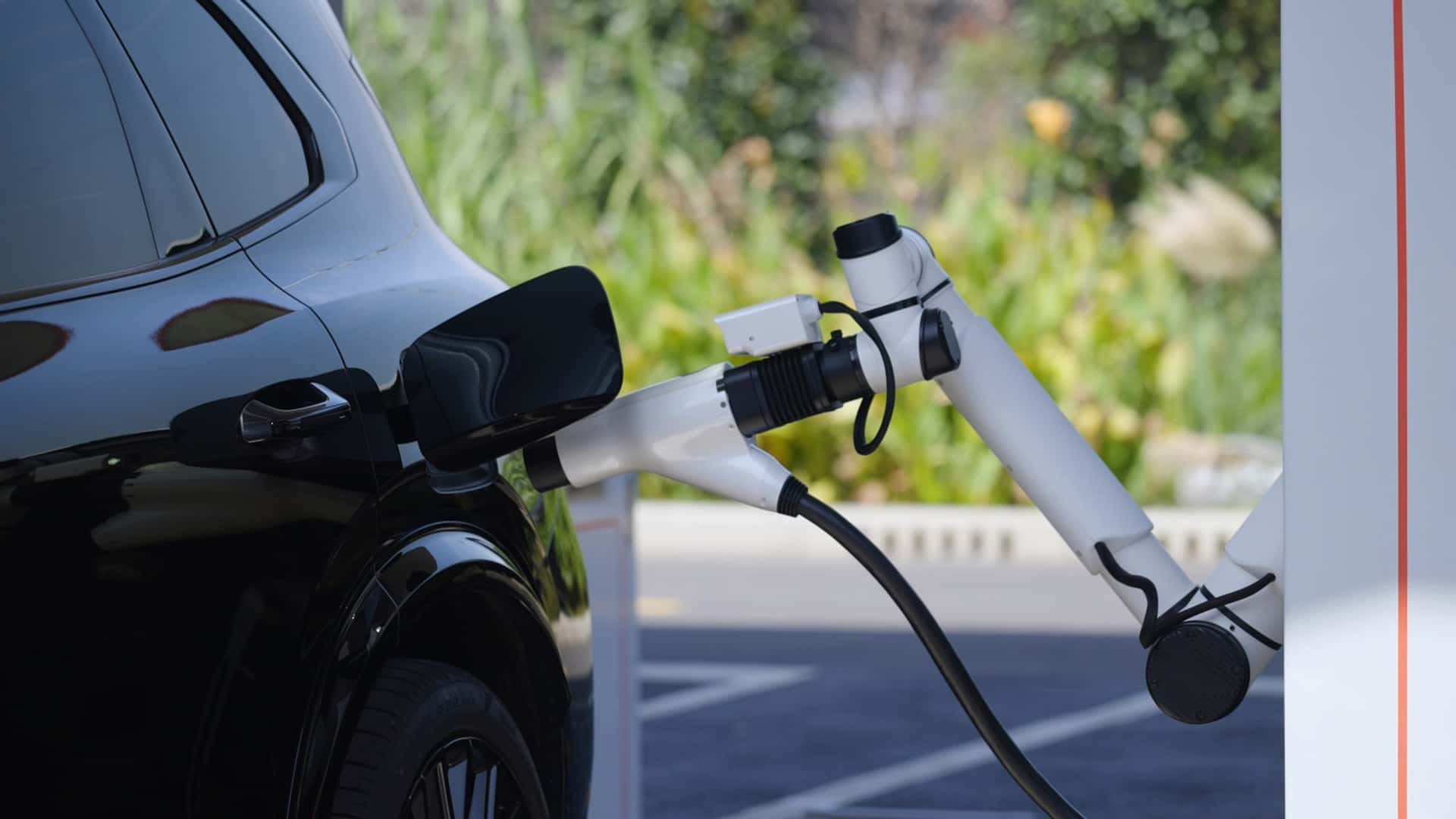
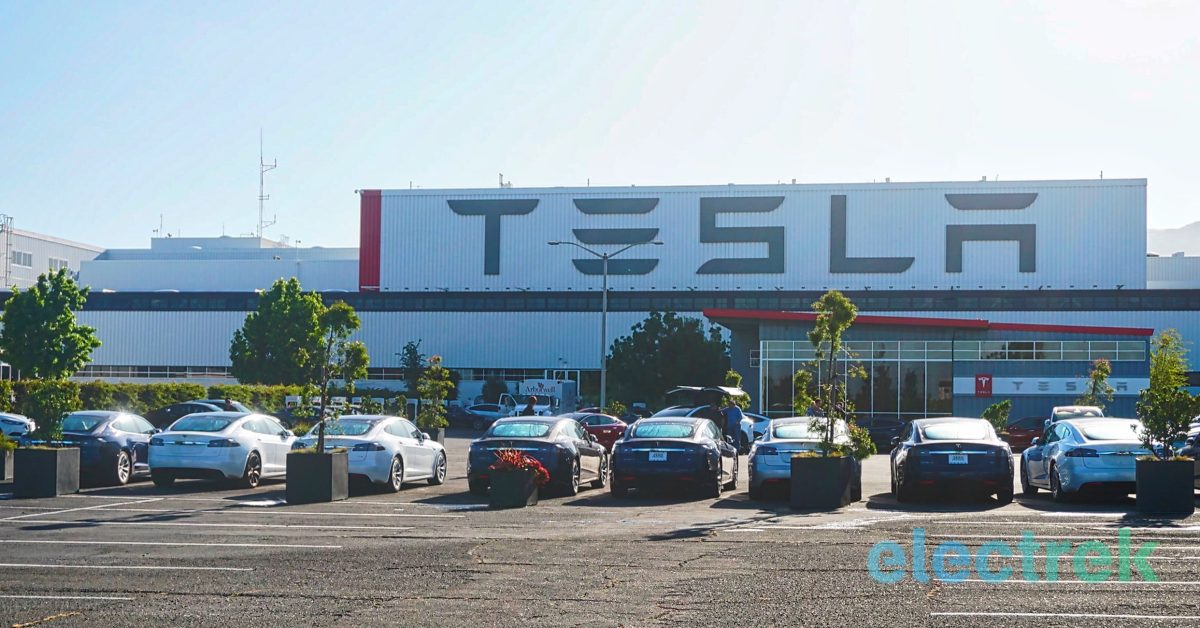
Historically, the North American EV market was divided by two primary DC fast-charging standards: the Combined Charging System (CCS) favored by established legacy automakers, and the North American Charging Standard (NACS), pioneered by Tesla for its Supercharger network. By 2026, the industry has experienced a massive paradigm shift. Nearly all major automotive manufacturers have committed to adopting the NACS port, ensuring that their upcoming vehicles have native compatibility with the most reliable and sprawling fast-charging network on the continent. For buyers, choosing an EV with native NACS hardware—or acquiring an officially certified adapter for older CCS vehicles—is essential to guarantee seamless highway road-tripping without range anxiety.
Demystifying the Federal EV Tax Credit
The financial incentives surrounding electric vehicles are often the deciding factor for budget-conscious families. The United States federal EV tax credit, known formally under IRC Section 30D, provides up to $7,500 in point-of-sale rebates or non-refundable tax credits for qualifying vehicles. However, the eligibility criteria are exceptionally strict. A vehicle must undergo final assembly in North America, and its battery components must meet specific critical mineral sourcing benchmarks from the U.S. or its free-trade partners. Additionally, vehicles are subject to strict Manufacturer's Suggested Retail Price (MSRP) caps: $80,000 for electric SUVs and pickup trucks, and $55,000 for electric sedans. Buyers must also fall under strict Adjusted Gross Income (AGI) caps to claim the benefit. Interestingly, the "leasing loophole" under Section 45W allows automakers to pass the $7,500 commercial tax credit directly to consumers who choose to lease, entirely bypassing the strict sourcing and income requirements that apply to direct purchases.
Battery Chemistry: LFP vs. NCA/NMC
Understanding the chemistry housed inside your vehicle's battery pack is just as important as understanding its total range. Lithium Iron Phosphate (LFP) batteries have gained massive popularity in entry-level standard-range models due to their durability, longevity, and lower cost. LFP chemistry allows owners to regularly charge their vehicles to 100% capacity without extreme degradation over time. Conversely, Nickel Cobalt Aluminum (NCA) or Nickel Manganese Cobalt (NMC) batteries are generally reserved for Long Range or Performance trims because they offer superior energy density, meaning a vehicle can travel much further on a single charge. However, these high-density packs generally prefer to be kept between 20% and 80% state of charge during routine daily driving to maximize the lifespan of the cells.