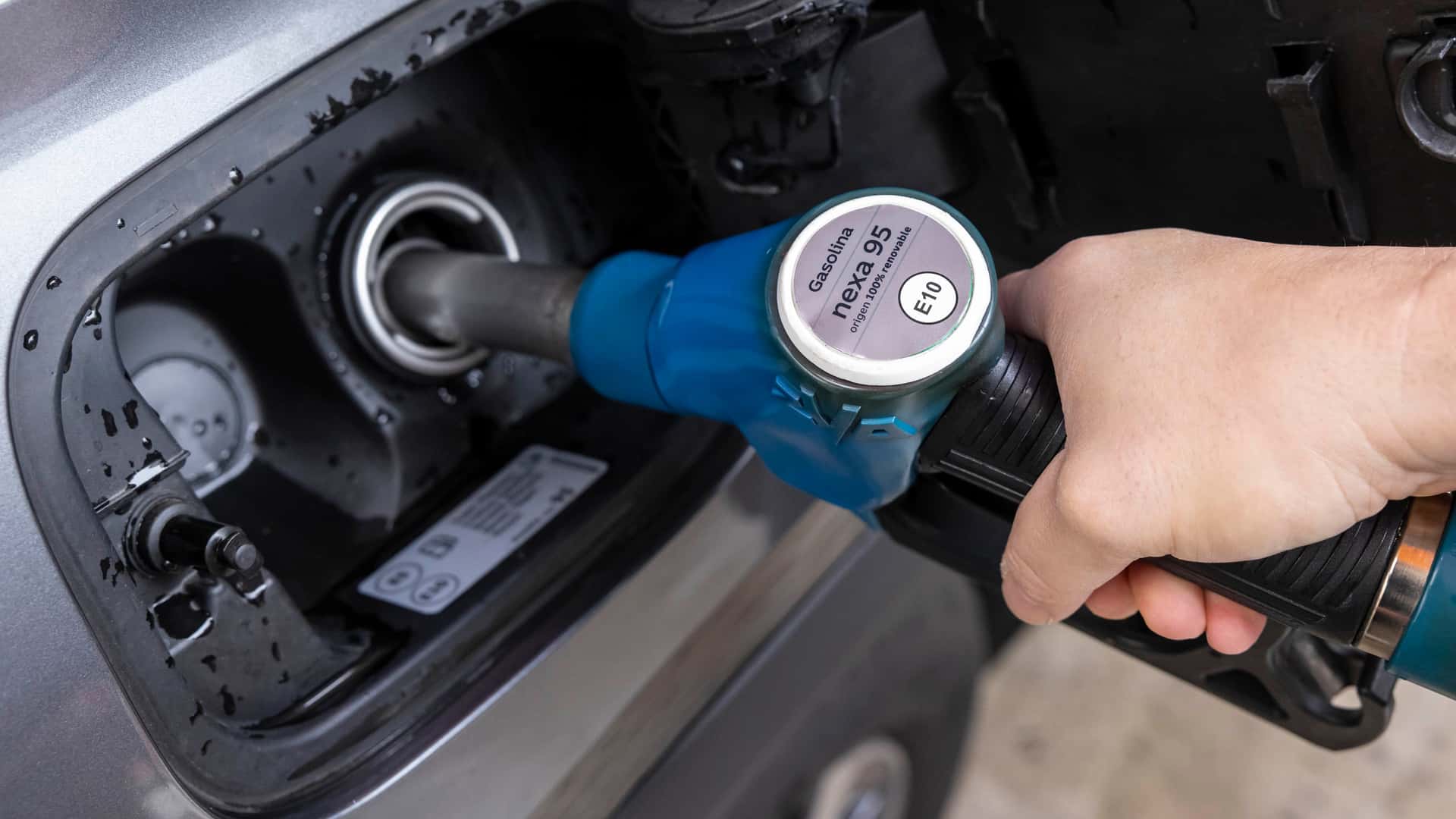
Toyota and BMW Begin Testing Renewable Gas Fuel
Updated July 16, 2026
3 min read
1 linked source
Toyota and BMW have launched a real-world trial of Repsol’s Nexa 95 fuel, which aims to reduce emissions by 70%. This initiative explores renewable gas as an alternative to electric vehicles (EVs), potentially impacting the future of sustainable transportation. However, the trial's long-term viability and broader implications for consumers remain uncertain.
Share this story
Why it matters
- ✓If successful, renewable gas could provide an alternative for consumers hesitant to switch to EVs due to charging infrastructure or range anxiety.
- ✓The introduction of renewable gas may influence fuel prices and availability, impacting overall ownership costs for vehicle users.
- ✓This initiative could affect the perception of EVs and alternative fuels in the market, potentially leading to more diverse options for consumers.
Reporting notes
EV Signal briefs are written to explain the verified change first, then add the context EV buyers and owners need to understand cost, availability, charging access, eligibility, or ownership impact.
If details are still developing, we try to say what is confirmed, what comes from secondary reporting, and what readers should verify before acting.
Source mix
1 linked source
1 media
Reviewed from: InsideEVs.
Toyota and BMW Begin Testing Renewable Gas Fuel
Toyota and BMW have initiated a real-world trial using Repsol’s Nexa 95 fuel, which claims to reduce emissions by 70%. This development marks a significant step in exploring renewable gas as a viable alternative to electric vehicles (EVs). While the trial is in its early stages, it raises important questions about the future of sustainable transportation and the role of various fuel types in reducing carbon footprints.
What Changed
The two automakers are testing Repsol’s Nexa 95, a renewable gas fuel, in a bid to assess its potential as a cleaner alternative to traditional fossil fuels and electric powertrains. This initiative is particularly noteworthy as it represents a collaboration between two major players in the automotive industry, both of which have been heavily invested in EV technology. The fuel is designed to significantly lower emissions, potentially making it an attractive option for consumers and businesses looking to reduce their environmental impact.
Why It Matters for Buyers/Owners
The testing of renewable gas by Toyota and BMW could have several implications for current and future vehicle owners:
- Alternative Fuel Options: If the trial proves successful, renewable gas could provide an alternative for consumers who are not ready to fully transition to EVs, particularly in regions where charging infrastructure is limited.
- Impact on Fuel Prices: The introduction of renewable gas could influence fuel prices and availability, which may affect overall ownership costs for vehicle users who rely on gasoline or diesel.
- Market Perception: This initiative may shift consumer perceptions regarding EVs and alternative fuels, potentially leading to a more diverse range of options in the market.
Key Details from Source Material
According to InsideEVs, the trial aims to evaluate the effectiveness and practicality of Nexa 95 in real-world conditions. The fuel is touted for its ability to significantly reduce emissions, which aligns with global efforts to combat climate change. However, the specifics regarding the trial's duration, scale, and the types of vehicles involved have not been disclosed, leaving some uncertainty about the broader implications of this initiative.
What to Watch Next
As the trial progresses, it will be important to monitor the results and any announcements from Toyota and BMW regarding the performance of Nexa 95. Key areas to watch include:
- Trial Results: Updates on emissions reductions and overall performance of the fuel in various driving conditions.
- Consumer Response: How potential buyers react to the idea of renewable gas as a viable alternative to EVs.
- Regulatory Developments: Any changes in regulations or incentives related to renewable fuels that could impact the adoption of Nexa 95 and similar products in the market.
In conclusion, while the trial of renewable gas by Toyota and BMW is an exciting development in the automotive industry, its long-term implications for consumers and the market remain to be seen. Stakeholders will be keenly observing the outcomes of this initiative as it unfolds.
Sources
These are the documents and reports used to build this brief so readers can verify the story directly.
- Toyota And BMW Are Testing Renewable Gas As An Alternative To EVs — InsideEVsMEDIA
Comments
Log in with
Loading comments…
More in Ownership
Tesla's Lawyers Misled Witness in Racism Trial
Tesla's ongoing racism trial in California has faced significant setbacks as it was revealed that a…
19h ago
Rivian R2 Faces First Recall Due to Camera Issue
Rivian has issued a recall affecting nearly 99,000 vehicles, including some of its new R2 models,…
19h ago
BMW iX3 Outperforms Mercedes GLC and Volvo EX60 in Highway Efficiency Test
In a recent highway test, the BMW iX3 demonstrated superior energy efficiency and range compared to…
1d ago
PHEV Batteries Show Resilience Despite Frequent Cycling
Plug-in hybrid electric vehicles (PHEVs) experience more frequent battery cycling than fully…
1d ago