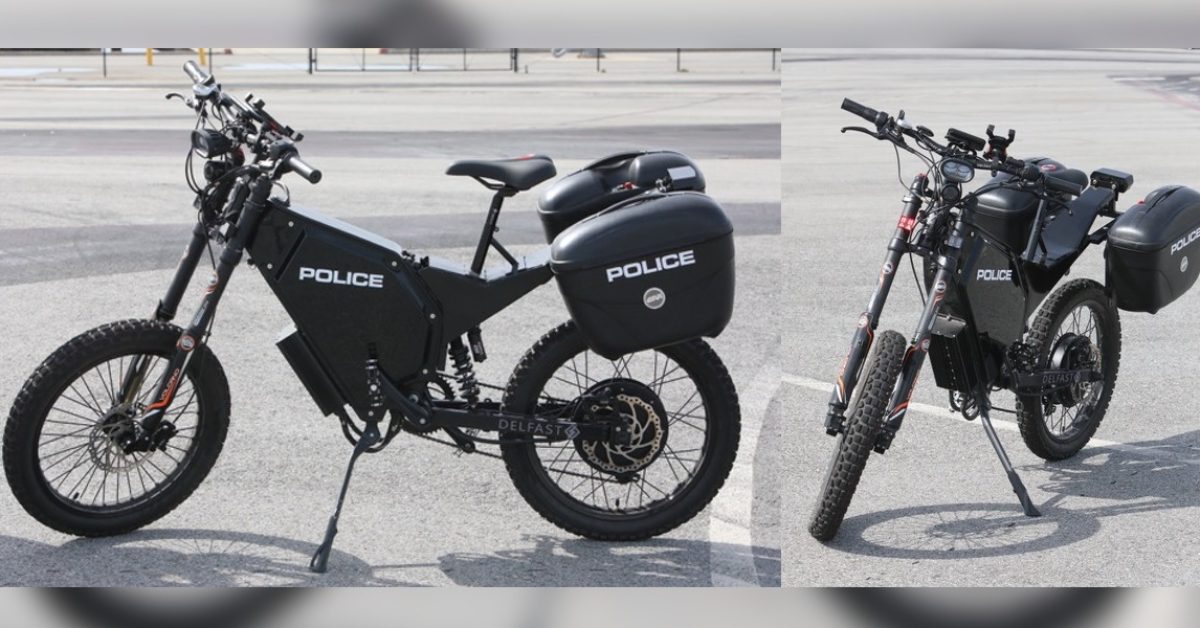
Federal Funding Encourages Police Departments to Adopt E-Bikes

Edited by Ionna Brakeley
Charging & Ownership
Updated October 15, 2026
3 min read
1 linked source
Police departments across the United States are increasingly adopting electric bicycles for patrol duties, aided by federal funding. This shift not only enhances mobility for officers but also reflects a growing trend towards sustainable transportation in law enforcement. However, the extent of this funding and its impact on local budgets remains uncertain.
Share this story
Why it matters
- ✓Increased adoption of e-bikes by police may lead to greater visibility and acceptance of electric vehicles in communities.
- ✓Potential for local governments to allocate more funds towards electric vehicle infrastructure, benefiting EV owners.
- ✓As police departments invest in e-bikes, it may influence public perception and demand for similar vehicles among consumers.
Federal Funding Encourages Police Departments to Adopt E-Bikes
Police departments in the United States are increasingly integrating electric bicycles into their patrol operations, a trend that is being bolstered by federal funding. This initiative not only aims to improve the efficiency of law enforcement but also aligns with broader goals of sustainability and community engagement.
What Changed
The shift towards e-bikes in policing has been facilitated by federal financial support, allowing departments to invest in this new technology. As a result, officers are finding themselves more mobile and capable of navigating urban environments effectively. The adoption of e-bikes represents a significant change in how police departments approach community policing and patrol strategies.
Why It Matters for Buyers and Owners
The growing trend of police departments using e-bikes could have several implications for electric vehicle (EV) buyers and owners:
- Increased Visibility: As police departments adopt e-bikes, it may lead to greater visibility and acceptance of electric vehicles within communities, potentially influencing public attitudes toward EVs.
- Infrastructure Development: This trend could encourage local governments to invest more in electric vehicle infrastructure, such as charging stations, which would benefit current and future EV owners.
- Public Perception: The use of e-bikes by law enforcement may enhance consumer interest in electric bicycles and similar vehicles, potentially leading to increased sales and a more robust market.
Key Details from Source Material
According to Electrek, the trend of police departments adopting e-bikes is not just a passing fad; it is supported by federal funding aimed at enhancing community policing efforts. While the article highlights the positive aspects of this shift, it also notes that the specifics of the funding and its impact on local budgets are still unclear. This uncertainty raises questions about how sustainable this initiative will be in the long term and whether it will lead to widespread adoption across all departments.
What to Watch Next
As this trend develops, it will be important to monitor how federal funding is allocated and whether it results in a significant increase in e-bike adoption among police departments. Additionally, observing how this shift influences public perception of electric vehicles and the potential for increased infrastructure investment will be crucial for EV buyers and owners. Keeping an eye on local government responses and community feedback will also provide insights into the long-term viability of e-bikes in law enforcement.
In conclusion, the integration of e-bikes into police patrols, supported by federal funding, marks a significant step towards sustainable transportation in law enforcement. While the immediate benefits are clear, the long-term implications for EV buyers and owners remain to be fully realized.
Sources
These are the documents and reports used to build this brief so readers can verify the story directly.
- How federal money is pushing cops towards e-bikes — ElectrekMEDIA
Reporting notes
EV Signal briefs are written to explain the verified change first, then add the context EV buyers and owners need to understand cost, availability, charging access, eligibility, or ownership impact.
If details are still developing, we try to say what is confirmed, what comes from secondary reporting, and what readers should verify before acting.
Source mix
1 linked source
1 media
Reviewed from: Electrek.
Newsletter
Weekly EV signal. No spam.
Comments
Log in with
Loading comments…
More in Ownership
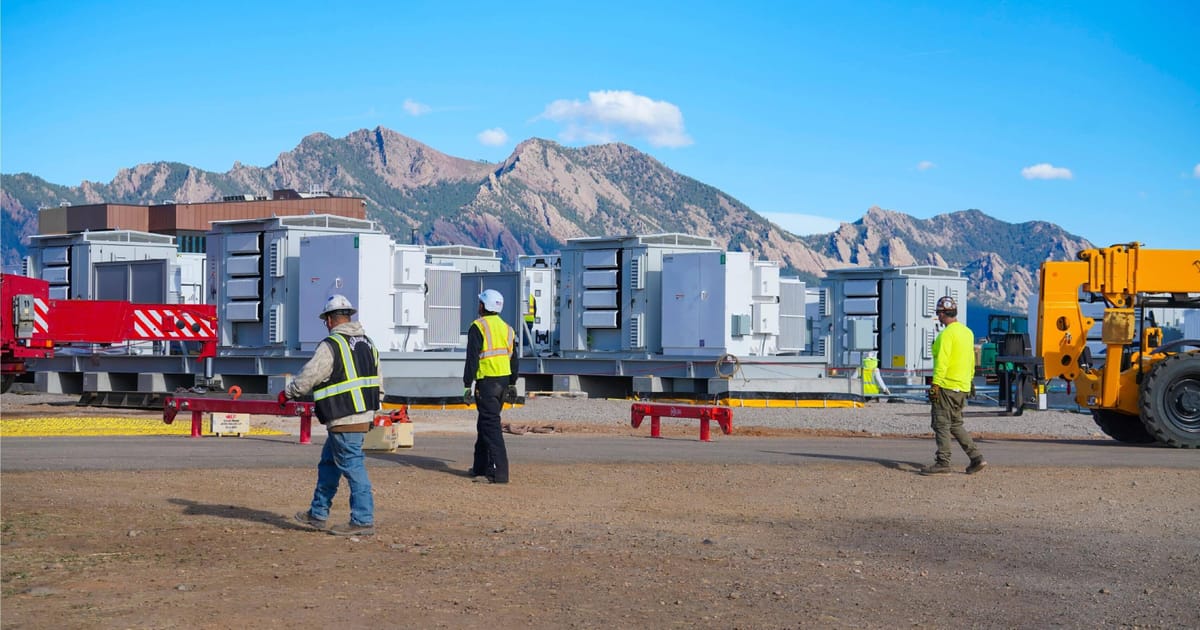
New Battery Technology Enhances Data Center Integration with Power Grids
A new class of lithium-ion batteries is emerging as a cost-effective solution for AI data centers,…
7h ago
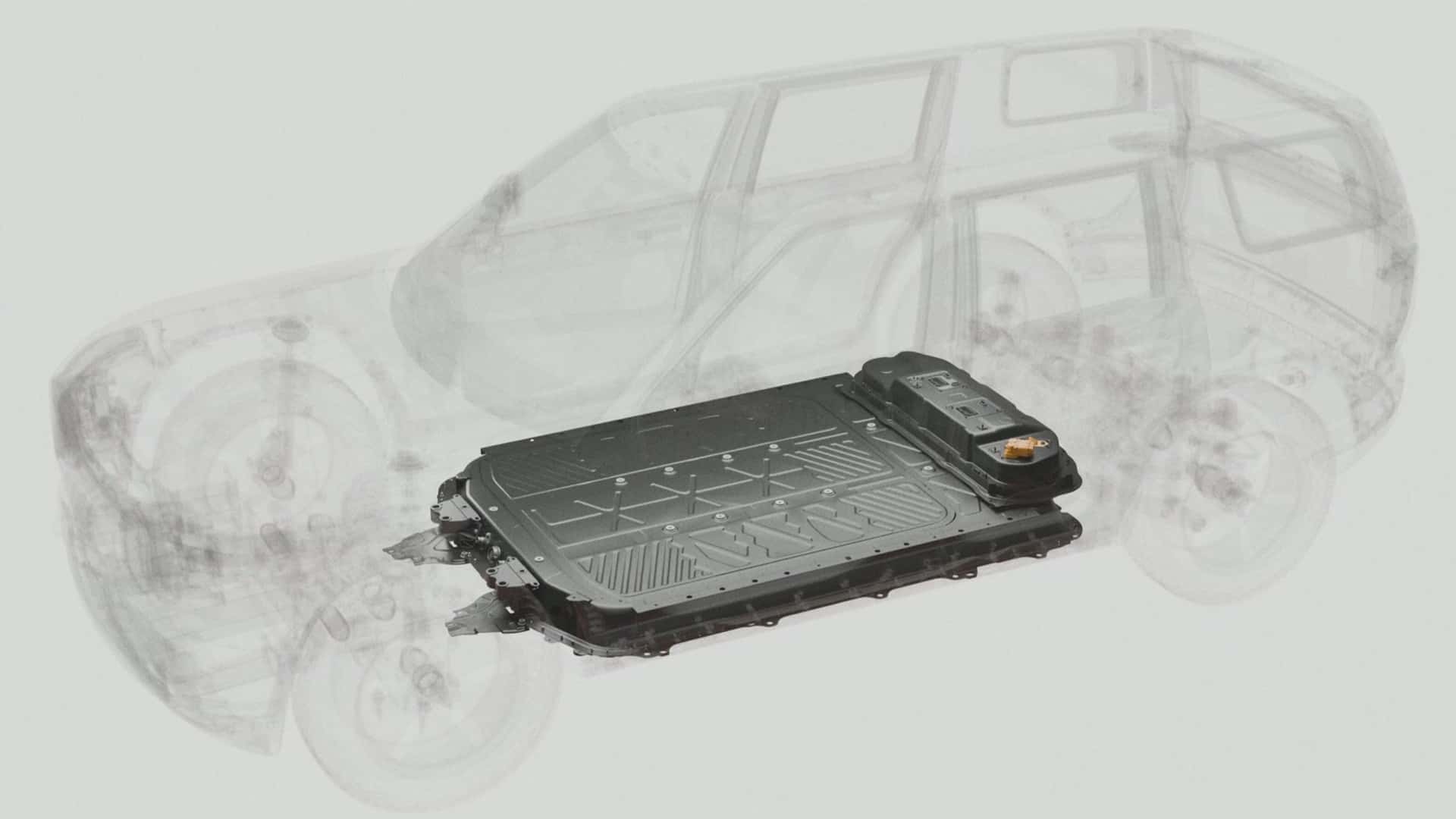
Rivian Enhances Battery Recycling Efforts
Rivian is advancing its battery recycling initiatives by ensuring that all materials, from…
7h ago

Elon Musk Enterprises Lacks Recent Cleantech News
Recent observations indicate that Elon Musk's companies, including Tesla, have not produced…
13h ago

PHEV Emissions Gap Widens in 2024 Data
Recent analysis of 2024 real-world data indicates that plug-in hybrid electric vehicles (PHEVs) are…
13h ago