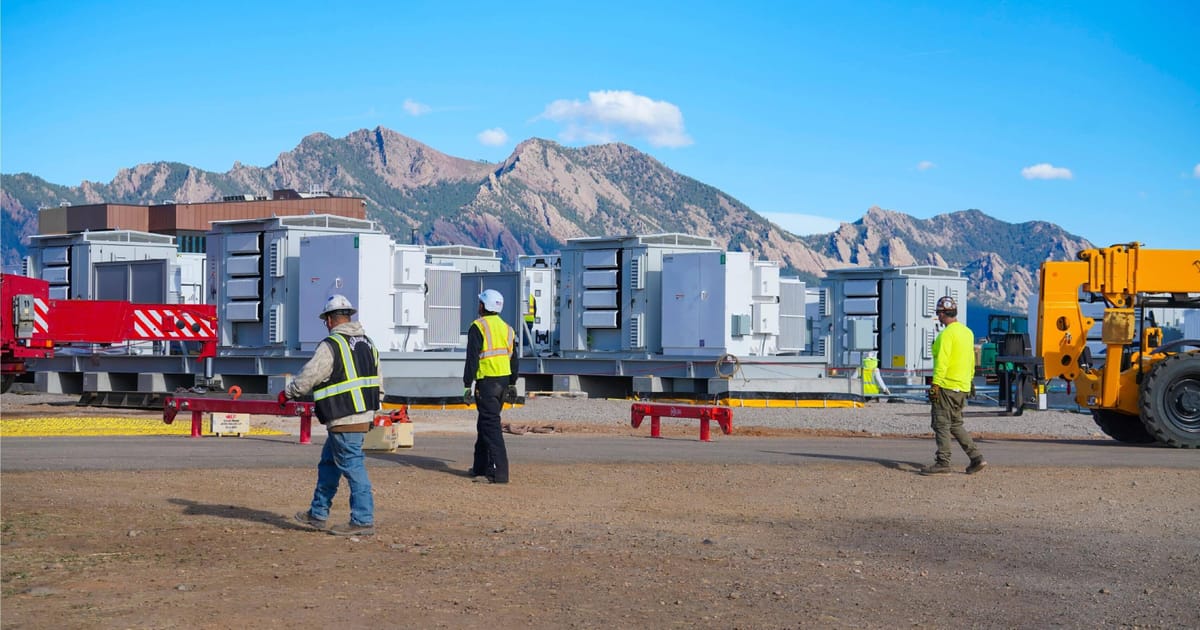
New Battery Technology Enhances Data Center Integration with Power Grids

Edited by Ionna Brakeley
Charging & Ownership
Updated October 15, 2026
3 min read
1 linked source
A new class of lithium-ion batteries is emerging as a cost-effective solution for AI data centers, allowing them to better integrate with power grids. These batteries are cheaper than traditional fossil-gas turbines and can help mitigate the costs associated with building grid infrastructure for peak energy demands. However, the full impact of this technology on energy costs and grid reliability is still being evaluated.
Share this story
Why it matters
- ✓Lower energy costs for data centers could lead to reduced operational costs, potentially benefiting EV owners through lower electricity prices.
- ✓Improved grid stability may enhance charging access and availability for EV owners, especially during peak demand times.
- ✓As data centers become more energy-efficient, this could influence the overall energy market, affecting EV charging infrastructure investments.
New Battery Technology Enhances Data Center Integration with Power Grids
A new class of lithium-ion batteries is emerging as a cost-effective solution for AI data centers, allowing them to better integrate with power grids. According to a report from Canary Media, these batteries are significantly cheaper than the fossil-gas turbines that tech giants are currently building at gigawatt scale for their AI operations. This development is particularly relevant as data centers increasingly demand large amounts of energy, especially during peak usage times.
What Changed
The introduction of lithium-ion batteries into the energy landscape for data centers marks a significant shift in how these facilities can interact with the power grid. Traditionally, data centers have relied on fossil-fuel-based energy sources, which can be expensive and environmentally damaging. The new battery technology offers a more sustainable and economical alternative, allowing data centers to cushion the costs associated with building out grid infrastructure and power plants specifically to meet their peak energy needs.
Why It Matters for Buyers and Owners
The implications of this technology extend beyond data centers and could have a direct impact on EV buyers and owners:
- Lower Energy Costs: As data centers reduce their operational costs through the use of these batteries, there is potential for lower electricity prices, which could benefit EV owners.
- Improved Charging Access: Enhanced grid stability from better-integrated data centers may lead to more reliable charging access for EV owners, especially during peak demand periods.
- Influence on Energy Market: As data centers become more energy-efficient, this could drive investments in EV charging infrastructure, ultimately benefiting EV owners by expanding charging options.
Key Details from Source Material
The Canary Media article highlights that lithium-ion batteries can significantly reduce the costs associated with energy supply for data centers. These batteries not only provide a more affordable option compared to fossil-gas turbines but also help in managing the energy load during peak times, which is crucial for maintaining grid stability. The technology's ability to cushion the costs of grid infrastructure development is particularly noteworthy, as it could alleviate some of the financial burdens associated with expanding energy capabilities to meet the growing demands of data centers.
What to Watch Next
As this technology develops, it will be important to monitor its impact on energy pricing and grid reliability. Future updates may provide insights into how these batteries are being implemented across various data centers and their broader effects on the energy market. Additionally, stakeholders in the EV sector should keep an eye on how these advancements could influence charging infrastructure and availability in the coming years. The full ramifications of this shift are still unfolding, and ongoing evaluations will be necessary to understand its long-term effects on both data centers and EV owners.
Sources
These are the documents and reports used to build this brief so readers can verify the story directly.
- A new class of batteries helps data centers play nicely with the grid — Canary MediaMEDIA
Reporting notes
EV Signal briefs are written to explain the verified change first, then add the context EV buyers and owners need to understand cost, availability, charging access, eligibility, or ownership impact.
If details are still developing, we try to say what is confirmed, what comes from secondary reporting, and what readers should verify before acting.
Source mix
1 linked source
1 media
Reviewed from: Canary Media.
Comments
Log in with
Loading comments…
More in Ownership
Rivian Enhances Battery Recycling Efforts
Rivian is advancing its battery recycling initiatives by ensuring that all materials, from…
Just now

Elon Musk Enterprises Lacks Recent Cleantech News
Recent observations indicate that Elon Musk's companies, including Tesla, have not produced…
6h ago

PHEV Emissions Gap Widens in 2024 Data
Recent analysis of 2024 real-world data indicates that plug-in hybrid electric vehicles (PHEVs) are…
6h ago

Starlink for Communities Program Allows Users to Monetize Their Connection
SpaceX has launched the Starlink for Communities program, enabling users to earn money by sharing…
12h ago