
PHEV Emissions Gap Widens in 2024 Data

Edited by Ionna Brakeley
Charging & Ownership
Updated October 15, 2026
3 min read
1 linked source
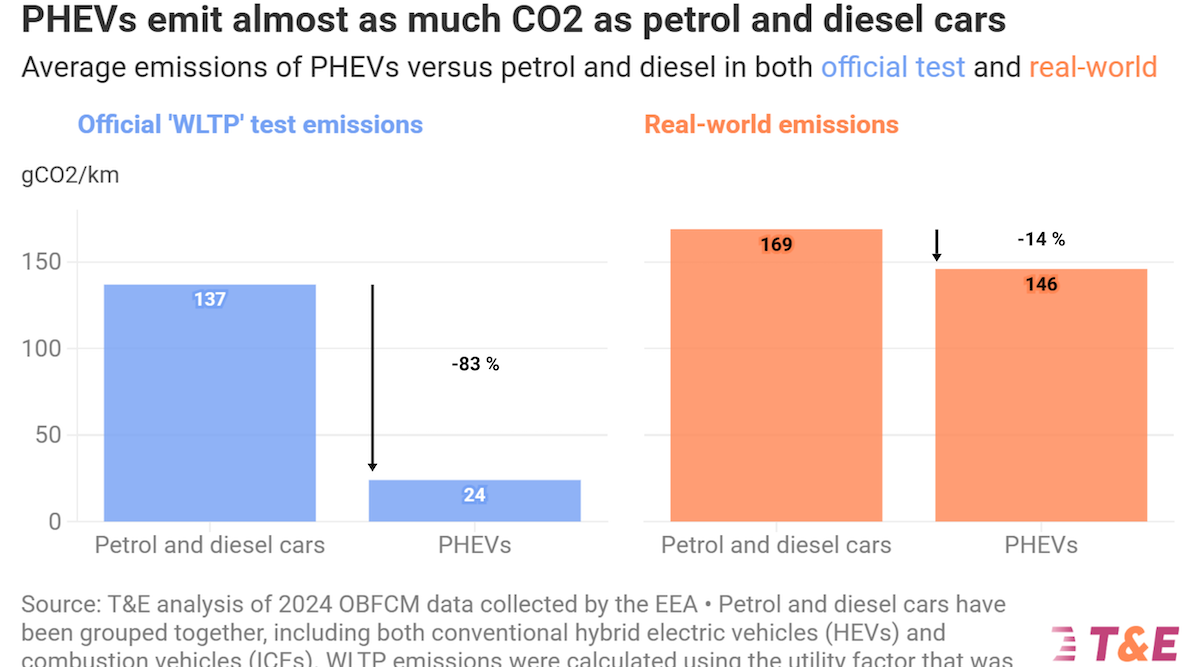
Recent analysis of 2024 real-world data indicates that plug-in hybrid electric vehicles (PHEVs) are producing emissions nearly six times higher than official WLTP testing values. This discrepancy raises concerns for potential buyers and current owners regarding the environmental impact and regulatory compliance of these vehicles. The ongoing emissions scandal highlights the need for more accurate testing and transparency in the automotive industry.
Share this story
Why it matters
- ✓Potential buyers may reconsider purchasing PHEVs due to inflated emissions figures, impacting their environmental goals.
- ✓Current PHEV owners might face increased scrutiny regarding the environmental performance of their vehicles, affecting resale value.
- ✓The widening emissions gap could lead to stricter regulations and changes in incentives for PHEV ownership.
PHEV Emissions Gap Widens in 2024 Data
Recent analysis of official 2024 real-world data has revealed a significant discrepancy between the emissions performance of plug-in hybrid electric vehicles (PHEVs) and the official figures provided by the Worldwide Harmonised Light Vehicle Test Procedure (WLTP). On average, emissions from 2024 PHEV models were found to be nearly six times higher than the values reported during testing, raising serious concerns about the accuracy of emissions reporting in the automotive industry.
What Changed
The 2024 data analysis indicates that PHEVs are not living up to their promised environmental standards. This widening gap between real-world emissions and official WLTP testing values suggests that consumers may be misled regarding the environmental benefits of these vehicles. As PHEVs are often marketed as a greener alternative to traditional gasoline vehicles, this revelation could undermine consumer trust and impact purchasing decisions.
Why It Matters for Buyers and Owners
The implications of this emissions gap are significant for both potential buyers and current owners of PHEVs:
- Buyer Considerations: Prospective buyers may rethink their interest in PHEVs, especially those motivated by environmental concerns. The inflated emissions figures could deter environmentally conscious consumers from choosing these vehicles.
- Owner Scrutiny: Current PHEV owners might face increased scrutiny regarding the environmental performance of their vehicles, potentially affecting their resale value and public perception.
- Regulatory Impact: The widening emissions gap could prompt regulatory bodies to impose stricter standards on PHEVs, which may lead to changes in incentives and ownership costs for consumers.
Key Details from Source Material
According to CleanTechnica, the analysis of 2024 PHEV models shows an alarming trend where real-world emissions are significantly higher than what manufacturers report. This discrepancy raises questions about the reliability of the WLTP testing process and whether it accurately reflects the performance of PHEVs in everyday driving conditions. The findings suggest that the automotive industry may need to reevaluate its testing methodologies to ensure that consumers receive accurate information about vehicle emissions.
What to Watch Next
As this situation develops, it will be important to monitor how manufacturers respond to these findings and whether any regulatory changes are enacted in response to the emissions scandal. Additionally, consumers should stay informed about potential updates to testing procedures and any shifts in market dynamics that could arise from this ongoing issue. The automotive industry may face increased pressure to enhance transparency and accountability regarding emissions reporting, which could ultimately benefit consumers and the environment alike.
Sources
These are the documents and reports used to build this brief so readers can verify the story directly.
- Still Smoking: The PHEV Emissions Scandal Continues — CleanTechnicaMEDIA
Reporting notes
EV Signal briefs are written to explain the verified change first, then add the context EV buyers and owners need to understand cost, availability, charging access, eligibility, or ownership impact.
If details are still developing, we try to say what is confirmed, what comes from secondary reporting, and what readers should verify before acting.
Source mix
1 linked source
1 media
Reviewed from: CleanTechnica.
Comments
Log in with
Loading comments…
More in Ownership
Elon Musk Enterprises Lacks Recent Cleantech News
Recent observations indicate that Elon Musk's companies, including Tesla, have not produced…
1h ago

Starlink for Communities Program Allows Users to Monetize Their Connection
SpaceX has launched the Starlink for Communities program, enabling users to earn money by sharing…
7h ago
Green GSM Launches All-Electric Taxi Service in Los Angeles
Green SM, a public transportation company, has launched an all-electric taxi service in Los…
7h ago
T&E Warns of Misleading Emissions Figures for Plug-in Hybrids
Transport & Environment (T&E) has raised concerns about the accuracy of emissions figures for…
7h ago