T&E Warns of Misleading Emissions Figures for Plug-in Hybrids

Edited by Ionna Brakeley
Charging & Ownership
Updated October 15, 2026
3 min read
1 linked source
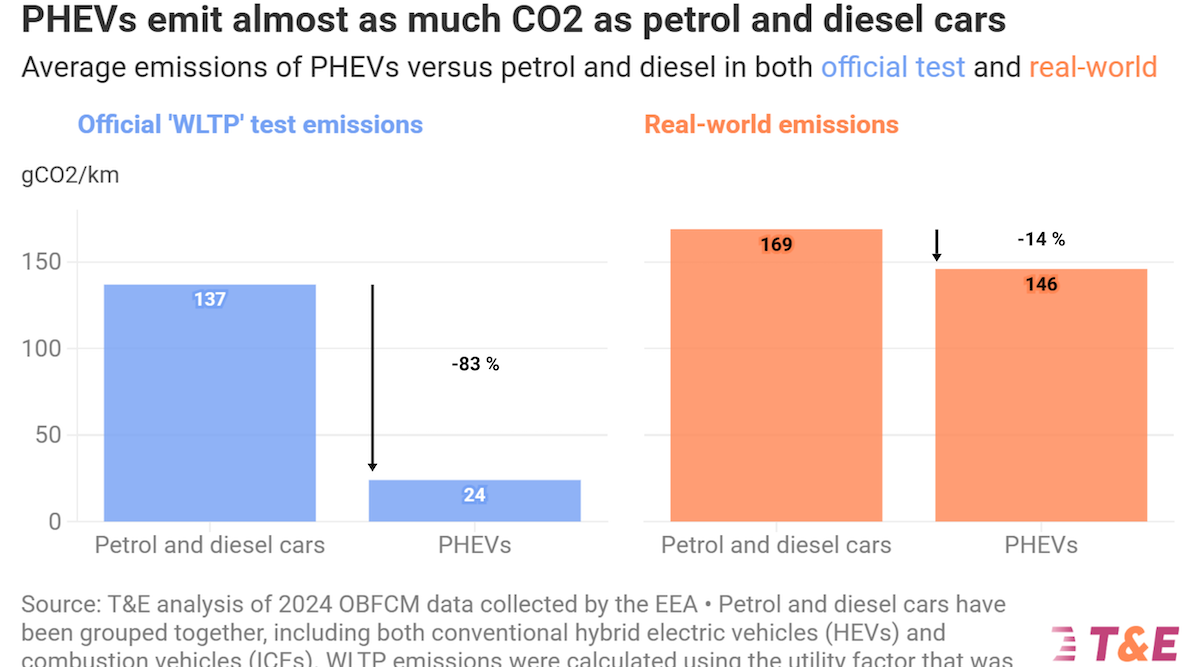
Transport & Environment (T&E) has raised concerns about the accuracy of emissions figures for plug-in hybrid electric vehicles (PHEVs), urging governments to revise CO2 accounting rules. The organization claims that drivers may be paying up to €680 more annually than manufacturers report due to discrepancies between official and real-world emissions. This widening gap could mislead consumers about the environmental impact of their vehicles.
Share this story
Why it matters
- ✓Potentially higher ownership costs for PHEV drivers due to inflated emissions figures.
- ✓Consumers may be misled about the environmental benefits of PHEVs, affecting their purchasing decisions.
- ✓Calls for regulatory changes could lead to improved transparency and accountability in emissions reporting.
Misleading Emissions Figures for PHEVs
Transport & Environment (T&E) has issued a warning regarding the accuracy of emissions figures for plug-in hybrid electric vehicles (PHEVs), highlighting a significant gap between reported and real-world CO2 emissions. The organization is urging governments to take action to correct the current CO2 accounting rules for PHEVs, which they believe could mislead consumers and inflate ownership costs.
What Changed
According to T&E, the difference between the official CO2 emissions figures provided by car manufacturers and the actual emissions experienced by drivers is growing. This discrepancy means that PHEV owners could be facing annual costs that are as much as €680 higher than what manufacturers claim. The organization emphasizes the need for a revision of the emissions accounting rules to ensure that consumers are not being deceived about the environmental impact of their vehicles.
Why It Matters for Buyers and Owners
-
Higher Ownership Costs: If the emissions figures are indeed misleading, PHEV owners may be paying significantly more for fuel and maintenance than anticipated, impacting their overall budget.
-
Consumer Misleading: The inflated emissions figures could lead consumers to believe they are making environmentally friendly choices when, in reality, their vehicles may not perform as efficiently as advertised.
-
Regulatory Changes: The push for revised emissions accounting could lead to more stringent regulations, promoting greater transparency and potentially improving the performance and efficiency of PHEVs in the long run.
Key Details from Source Material
T&E's report highlights that the current emissions figures for PHEVs do not accurately reflect their real-world performance. This discrepancy has raised concerns about the potential for consumers to be misled, particularly as the gap between reported and actual emissions continues to widen. The organization is advocating for governments to prioritize the correction of these accounting rules to protect consumers and encourage manufacturers to improve their vehicles.
What to Watch Next
As discussions around emissions reporting and regulatory changes continue, it will be important to monitor how governments respond to T&E's call for action. Potential updates to emissions accounting rules could significantly impact the PHEV market, influencing both consumer choices and manufacturer practices. Consumers should stay informed about any changes that may affect their vehicles and ownership costs, as well as any new regulations that may emerge from this ongoing dialogue.
Sources
These are the documents and reports used to build this brief so readers can verify the story directly.
- Misleading Plug-in Hybrid Emissions Figures Risk Cheating Consumers, T&E Warns — CleanTechnicaMEDIA
Reporting notes
EV Signal briefs are written to explain the verified change first, then add the context EV buyers and owners need to understand cost, availability, charging access, eligibility, or ownership impact.
If details are still developing, we try to say what is confirmed, what comes from secondary reporting, and what readers should verify before acting.
Source mix
1 linked source
1 media
Reviewed from: CleanTechnica.
Comments
Log in with
Loading comments…
More in Ownership

Starlink for Communities Program Allows Users to Monetize Their Connection
SpaceX has launched the Starlink for Communities program, enabling users to earn money by sharing…
2h ago
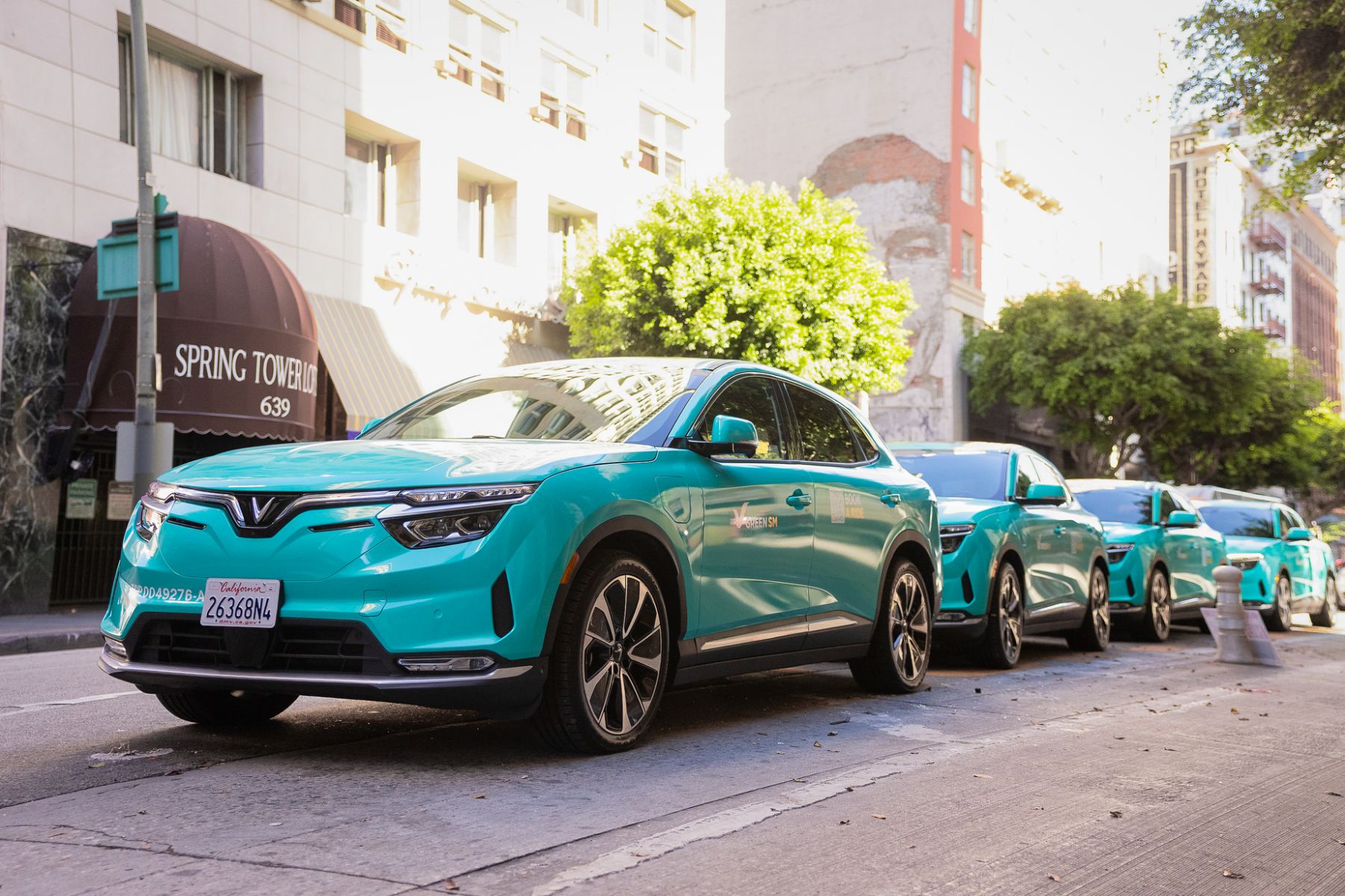
Green GSM Launches All-Electric Taxi Service in Los Angeles
Green SM, a public transportation company, has launched an all-electric taxi service in Los…
2h ago
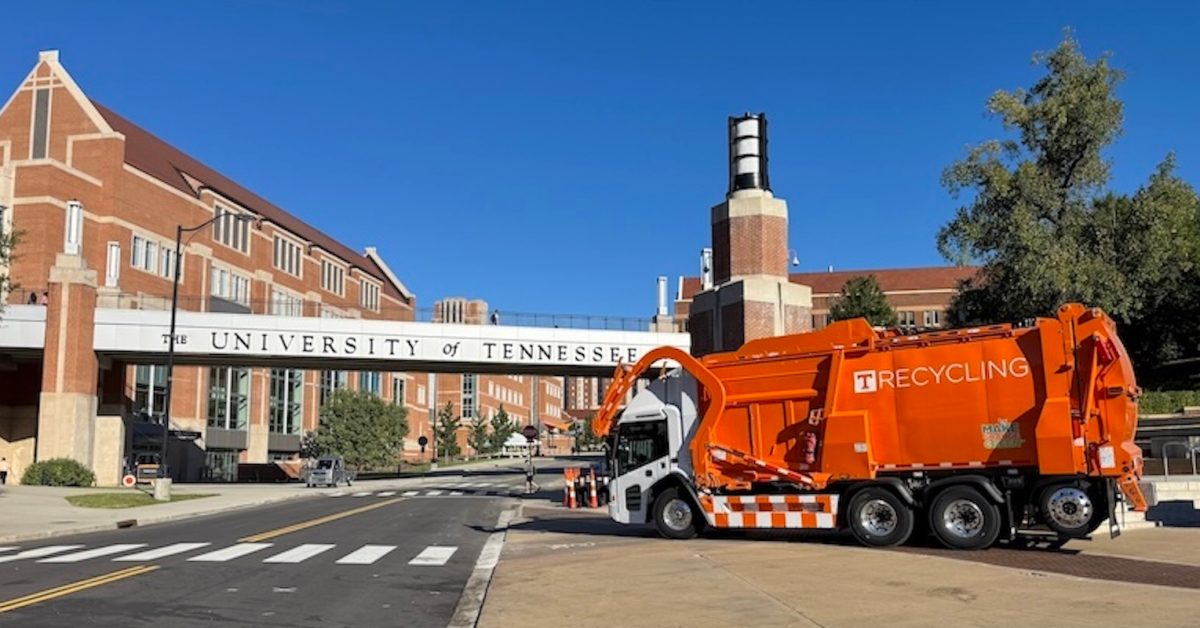
University of Tennessee Introduces Electric Garbage Truck to Campus Fleet
The University of Tennessee has deployed a McNeilus Volterra ZFL electric garbage truck at its…
2h ago

Apple and Schneider Launch Smart Thermostat to Optimize Energy Use
Apple and Schneider Electric have introduced a new smart thermostat that integrates with iPhones to…
2h ago