University of Tennessee Introduces Electric Garbage Truck to Campus Fleet

Edited by Ionna Brakeley
Charging & Ownership
Updated October 15, 2026
3 min read
1 linked source
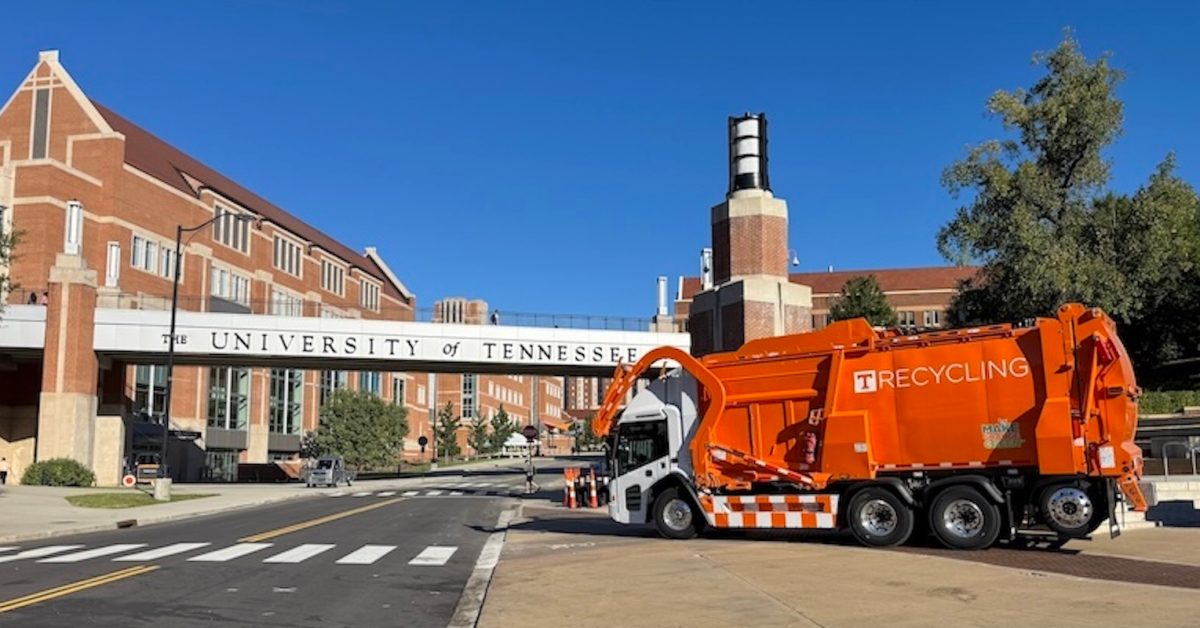
The University of Tennessee has deployed a McNeilus Volterra ZFL electric garbage truck at its Knoxville campus, marking a significant step in electrifying its waste collection fleet. This initiative combines advanced battery-electric technology with local manufacturing, aiming to enhance sustainability efforts on campus. Details on the truck's operational impact and future plans for fleet electrification are still emerging.
Share this story
Why it matters
- ✓The introduction of electric garbage trucks may influence future purchasing decisions for municipal and commercial fleets, highlighting the viability of EV technology in waste management.
- ✓As more institutions adopt electric vehicles, it could lead to increased availability of EV models and charging infrastructure, benefiting individual EV owners.
- ✓This shift may also contribute to lower operational costs in the long run, as electric vehicles typically have lower maintenance and fuel costs compared to traditional diesel trucks.
University of Tennessee Introduces Electric Garbage Truck to Campus Fleet
The University of Tennessee has made a notable advancement in its sustainability efforts by deploying a McNeilus Volterra ZFL electric garbage truck at its Knoxville campus. This move represents a significant step towards electrifying its waste collection fleet, integrating advanced battery-electric technology with local manufacturing capabilities.
What Changed
This week, the University of Tennessee officially introduced its first electric garbage truck, which is part of a broader initiative to modernize its waste management operations. The McNeilus Volterra ZFL is designed to reduce emissions and improve the efficiency of waste collection on campus. This deployment is particularly significant as it showcases the potential for electric vehicles (EVs) to serve in roles traditionally dominated by fossil fuel-powered vehicles, such as garbage trucks.
Why It Matters for Buyers and Owners
The introduction of electric garbage trucks like the McNeilus Volterra ZFL could have several implications for EV buyers and owners:
- Influence on Fleet Purchases: The successful implementation of electric garbage trucks may encourage other municipalities and companies to consider electric options for their fleets, potentially increasing the variety of EV models available in the market.
- Charging Infrastructure Development: As more institutions adopt electric vehicles, there may be a corresponding increase in the development of charging infrastructure, which would benefit individual EV owners by improving access to charging stations.
- Cost Efficiency: Electric vehicles generally offer lower operational costs compared to their diesel counterparts, including reduced maintenance and fuel expenses. This shift could lead to long-term savings for organizations that transition to electric fleets.
Key Details from Source Material
According to Electrek, the University of Tennessee's decision to deploy the electric garbage truck aligns with its commitment to sustainability and innovation. The McNeilus Volterra ZFL is not only a step towards reducing the campus's carbon footprint but also highlights the importance of local manufacturing, as the truck is made in Tennessee. This initiative reflects a growing trend among educational institutions and municipalities to explore electric vehicles as a viable alternative to traditional waste collection methods.
What to Watch Next
As the University of Tennessee begins to integrate the electric garbage truck into its operations, it will be important to monitor the following:
- Operational Performance: Observations on how the electric truck performs in real-world waste collection scenarios will provide valuable insights into the feasibility of electric vehicles in similar applications.
- Future Fleet Electrification Plans: Updates on whether the university plans to expand its electric fleet or implement additional sustainability initiatives will be crucial for understanding the broader impact of this deployment.
- Community Response: Feedback from the campus community regarding the electric truck's performance and its environmental benefits could influence future sustainability efforts.
In conclusion, the deployment of the McNeilus Volterra ZFL electric garbage truck at the University of Tennessee marks a significant milestone in the transition towards electrified waste management. As more institutions consider similar initiatives, the implications for EV buyers and owners could be profound, paving the way for a greener future.
Sources
These are the documents and reports used to build this brief so readers can verify the story directly.
Reporting notes
EV Signal briefs are written to explain the verified change first, then add the context EV buyers and owners need to understand cost, availability, charging access, eligibility, or ownership impact.
If details are still developing, we try to say what is confirmed, what comes from secondary reporting, and what readers should verify before acting.
Source mix
1 linked source
1 media
Reviewed from: Electrek.
Comments
Log in with
Loading comments…
More in Ownership

Starlink for Communities Program Allows Users to Monetize Their Connection
SpaceX has launched the Starlink for Communities program, enabling users to earn money by sharing…
2h ago
Green GSM Launches All-Electric Taxi Service in Los Angeles
Green SM, a public transportation company, has launched an all-electric taxi service in Los…
2h ago
T&E Warns of Misleading Emissions Figures for Plug-in Hybrids
Transport & Environment (T&E) has raised concerns about the accuracy of emissions figures for…
2h ago

Apple and Schneider Launch Smart Thermostat to Optimize Energy Use
Apple and Schneider Electric have introduced a new smart thermostat that integrates with iPhones to…
2h ago