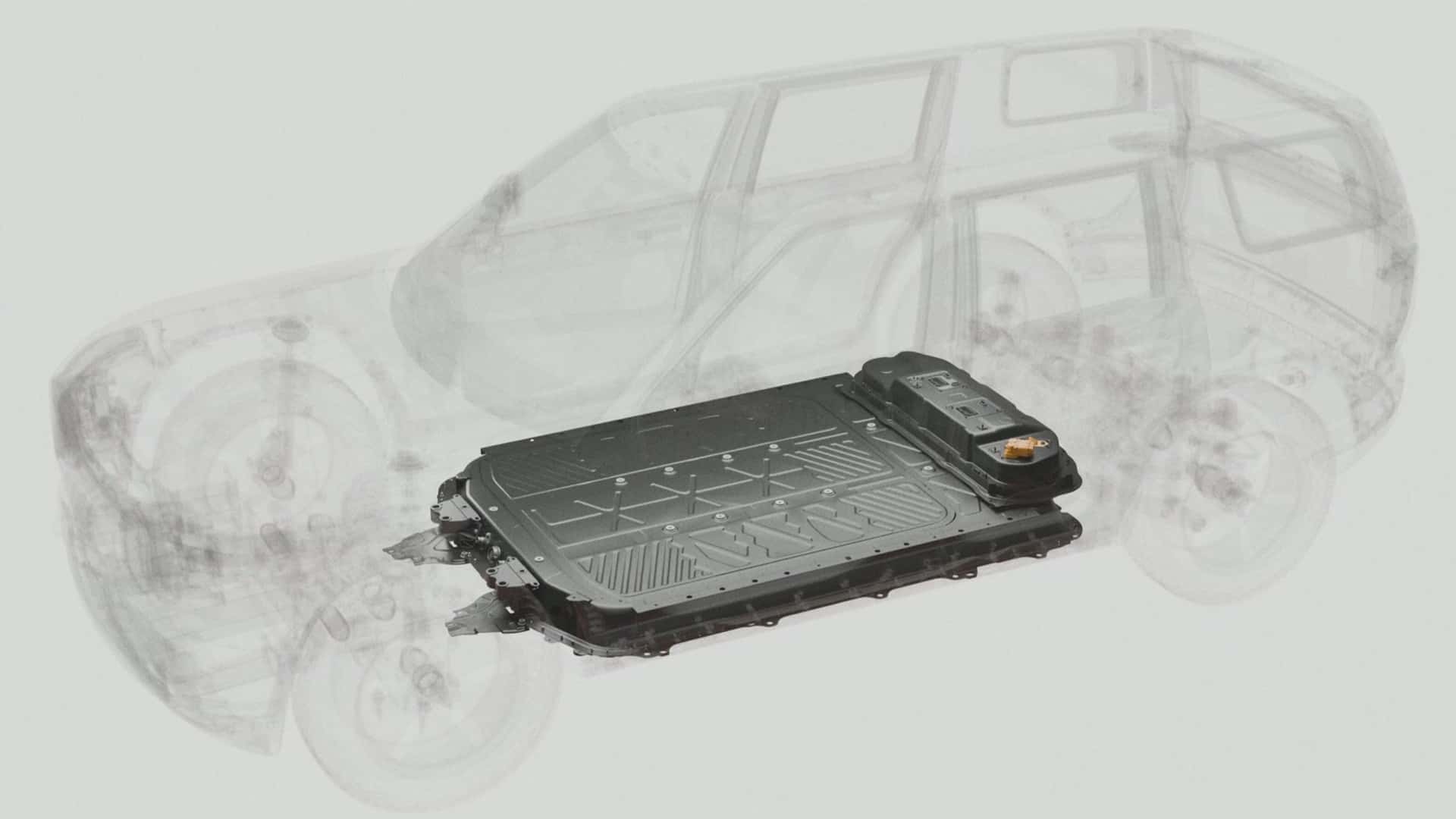
Rivian Enhances Battery Recycling Efforts

Edited by Ionna Brakeley
Charging & Ownership
Updated October 15, 2026
3 min read
1 linked source
Rivian is advancing its battery recycling initiatives by ensuring that all materials, from manufacturing scrap to unusable batteries, are repurposed. This change impacts Rivian's sustainability efforts and could influence the lifecycle management of electric vehicle (EV) batteries. However, specific details on the implementation timeline and scale of these efforts remain unclear.
Share this story
Why it matters
- ✓Improved battery recycling can lower overall ownership costs by reducing waste and potentially lowering future battery prices.
- ✓Enhanced sustainability practices may appeal to environmentally conscious buyers, influencing their purchasing decisions.
- ✓As Rivian develops its recycling capabilities, it could lead to better battery performance and longevity for current and future EV models.
Rivian Enhances Battery Recycling Efforts
Rivian is taking significant steps to improve its battery recycling processes, ensuring that no materials go to waste. This initiative encompasses everything from manufacturing scrap to batteries that are no longer suitable for use in electric vehicles (EVs). The company's commitment to sustainability is becoming increasingly evident as it seeks to minimize its environmental impact.
What Changed
Rivian's new approach to battery recycling aims to repurpose all materials involved in the battery lifecycle. This includes not only the leftover materials from the manufacturing process but also batteries that have reached the end of their usable life in vehicles. By focusing on recycling, Rivian is positioning itself as a leader in sustainable practices within the EV industry.
Why It Matters for Buyers/Owners
-
Cost Efficiency: Improved battery recycling could lead to lower production costs for new batteries, which may ultimately reduce the price of EVs for consumers. This is particularly relevant as battery costs are a significant factor in the overall pricing of electric vehicles.
-
Sustainability Appeal: As more consumers become environmentally conscious, Rivian's enhanced recycling efforts may attract buyers who prioritize sustainability in their purchasing decisions. This could give Rivian a competitive edge in the growing EV market.
-
Battery Longevity: Effective recycling processes can contribute to better battery performance and longevity. As Rivian refines its recycling capabilities, it may lead to advancements in battery technology that benefit current and future vehicle models.
Key Details from Source Material
According to InsideEVs, Rivian's strategy includes a comprehensive approach to battery lifecycle management. The company is committed to ensuring that all aspects of battery production and disposal are handled sustainably. However, the article does not provide specific timelines or details regarding how Rivian plans to implement these recycling processes on a large scale.
What to Watch Next
As Rivian continues to develop its battery recycling initiatives, it will be important to monitor the company's announcements regarding the implementation of these practices. Key areas to watch include:
- Updates on partnerships with recycling firms or technology providers that may enhance Rivian's capabilities.
- Details on how these recycling efforts will affect the pricing and availability of Rivian vehicles in the future.
- Any regulatory changes that may impact Rivian's recycling processes or sustainability initiatives.
In conclusion, Rivian's commitment to battery recycling represents a significant step forward in the EV industry's efforts to promote sustainability. While the full impact of these changes remains to be seen, they could have meaningful implications for both the company and its customers.
Sources
These are the documents and reports used to build this brief so readers can verify the story directly.
- Rivian Is Taking Its Battery Recycling Game To The Next Level — InsideEVsMEDIA
Reporting notes
EV Signal briefs are written to explain the verified change first, then add the context EV buyers and owners need to understand cost, availability, charging access, eligibility, or ownership impact.
If details are still developing, we try to say what is confirmed, what comes from secondary reporting, and what readers should verify before acting.
Source mix
1 linked source
1 media
Reviewed from: InsideEVs.
Comments
Log in with
Loading comments…
More in Ownership

New Battery Technology Enhances Data Center Integration with Power Grids
A new class of lithium-ion batteries is emerging as a cost-effective solution for AI data centers,…
Just now

Elon Musk Enterprises Lacks Recent Cleantech News
Recent observations indicate that Elon Musk's companies, including Tesla, have not produced…
6h ago

PHEV Emissions Gap Widens in 2024 Data
Recent analysis of 2024 real-world data indicates that plug-in hybrid electric vehicles (PHEVs) are…
6h ago

Starlink for Communities Program Allows Users to Monetize Their Connection
SpaceX has launched the Starlink for Communities program, enabling users to earn money by sharing…
12h ago