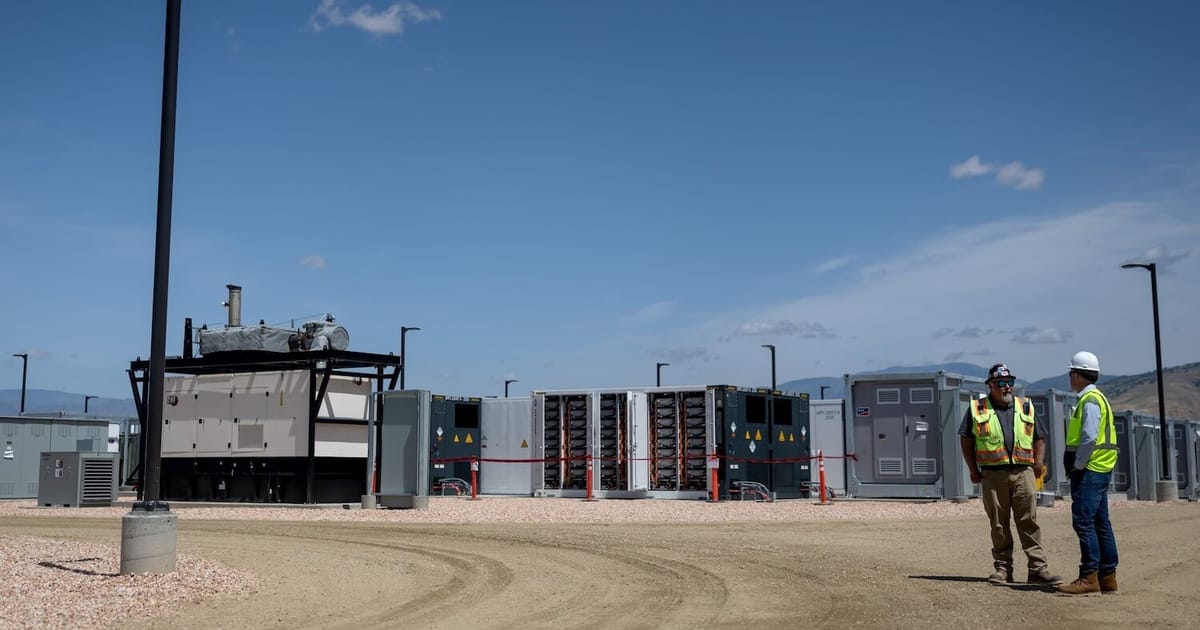
US Grid Battery Production Reaches Record High in Last Quarter

Edited by Ionna Brakeley
Charging & Ownership
Updated September 25, 2026
3 min read
1 linked source
In the last quarter, the United States built more grid batteries than ever before, marking a significant milestone in energy storage development. This increase is primarily due to the declining costs of lithium-ion cells, which have made energy storage more viable. While this growth is promising, it remains to be seen how it will directly impact EV infrastructure and consumer access.
Share this story
Why it matters
- ✓Increased grid battery production could lead to more reliable charging infrastructure for EVs, as energy storage helps balance supply and demand.
- ✓Lower costs for energy storage may eventually translate to reduced ownership costs for EVs, as utilities could pass savings on to consumers.
- ✓Improved energy storage solutions can enhance the overall efficiency of the electric grid, potentially leading to better charging access and availability for EV owners.
US Grid Battery Production Reaches Record High
The United States has achieved a significant milestone in energy storage development, with grid battery production hitting an all-time high in the last quarter. This surge in production reflects a broader trend towards enhancing energy storage capabilities, driven by the decreasing costs of lithium-ion batteries, which have been falling for the past decade.
What Changed
According to a report by Canary Media, the production of grid batteries in the U.S. has never been higher. These batteries play a crucial role in the energy landscape by absorbing excess power when it is plentiful and discharging it during peak demand times. This capability is essential for integrating renewable energy sources, such as solar and wind, into the grid effectively.
The increase in grid battery production is a response to the growing need for energy storage solutions that can help stabilize the grid and support the transition to renewable energy. As the costs of lithium-ion cells continue to decline, the feasibility of large-scale energy storage projects has improved significantly.
Why It Matters for Buyers and Owners
The rise in grid battery production has several implications for electric vehicle (EV) buyers and owners:
- Reliability of Charging Infrastructure: With more grid batteries in place, the reliability of charging stations may improve. Energy storage systems can help manage fluctuations in energy supply, ensuring that charging stations remain operational even during peak demand periods.
- Potential Cost Savings: As the costs of energy storage decrease, these savings could be passed on to consumers. This could lead to lower electricity rates for EV owners, reducing the overall cost of ownership.
- Enhanced Grid Efficiency: Improved energy storage solutions contribute to a more efficient electric grid. This efficiency can lead to better access to charging stations and more consistent availability of renewable energy for EV charging.
Key Details from Source Material
The report highlights that grid batteries have been on the rise for a decade, primarily due to the significant reduction in the price of lithium-ion cells. This trend has made energy storage more accessible and economically viable for utilities and energy providers. As a result, the U.S. is now positioned to lead in the development of energy storage technologies, which are critical for supporting the growing demand for renewable energy.
What to Watch Next
While the increase in grid battery production is promising, it is essential to monitor how these developments will impact the EV market and charging infrastructure. Key areas to watch include:
- Utility Investments: How utilities plan to integrate these grid batteries into their operations and whether they will invest in expanding charging infrastructure.
- Regulatory Changes: Any new policies or incentives that may emerge to support the growth of energy storage and its integration with EV charging.
- Market Trends: The ongoing trends in battery technology and pricing, which will influence both energy storage and electric vehicle costs in the future.
In conclusion, the record production of grid batteries in the U.S. marks a significant step forward in energy storage capabilities. While the immediate effects on EV buyers and owners are still unfolding, the potential for improved charging infrastructure and reduced ownership costs is a positive development for the electric vehicle market.
Sources
These are the documents and reports used to build this brief so readers can verify the story directly.
- The US built more grid batteries last quarter than ever before — Canary MediaMEDIA
Reporting notes
EV Signal briefs are written to explain the verified change first, then add the context EV buyers and owners need to understand cost, availability, charging access, eligibility, or ownership impact.
If details are still developing, we try to say what is confirmed, what comes from secondary reporting, and what readers should verify before acting.
Source mix
1 linked source
1 media
Reviewed from: Canary Media.
Comments
Log in with
Loading comments…
More in Charging

Understanding Tesla Supercharger Idle and Congestion Fees
Tesla has implemented idle and congestion fees at Supercharger stations to manage demand and ensure…
1h ago
Kempower Installs Charging Infrastructure at Two Major Canadian Ports
Kempower, a Finnish company, has installed charging infrastructure at Global Container Terminals…
1h ago
ChargePoint Report: Demand for EV Chargers Exceeds Supply
A recent report from ChargePoint indicates that the demand for electric vehicle (EV) chargers is…
1h ago
B.C. Trucking Company to Launch Canada's First Tesla MCS Charging Sites
R.R. Plett Trucking is set to break ground on Canada’s first Tesla Mega Charger Sites (MCS) in…
1h ago