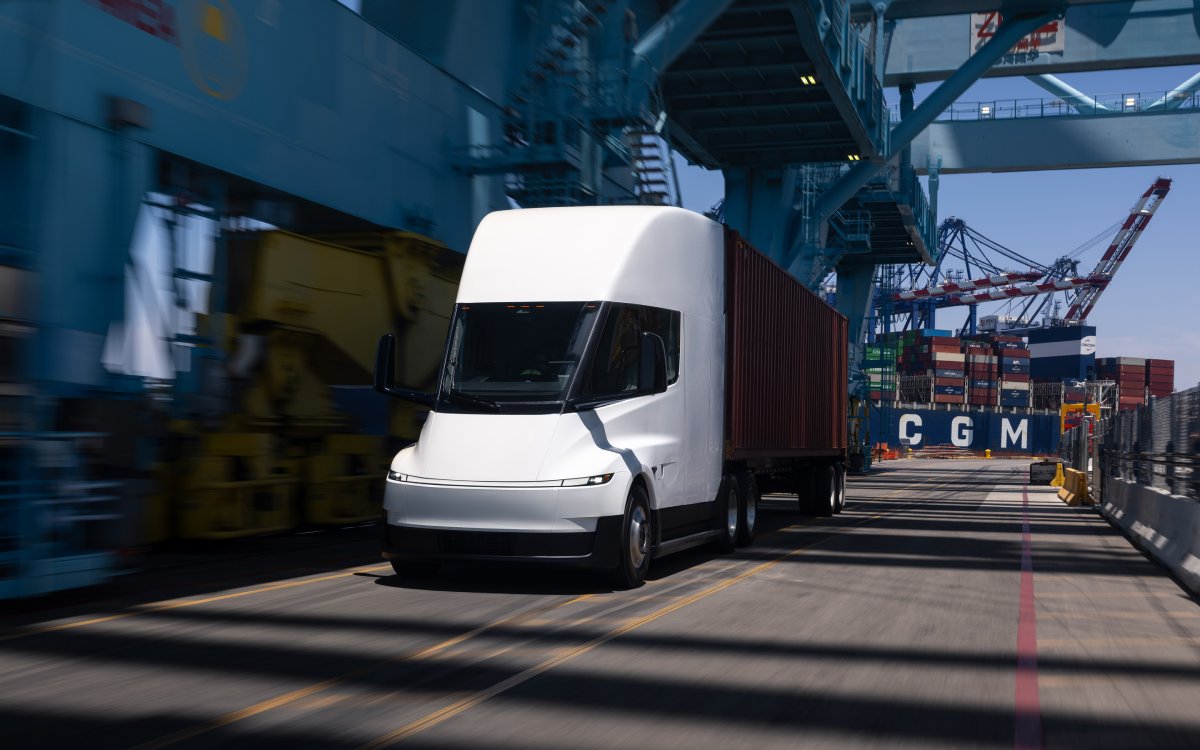
B.C. Trucking Company to Launch Canada's First Tesla MCS Charging Sites

Edited by Ionna Brakeley
Charging & Ownership
Updated September 25, 2026
3 min read
1 linked source
R.R. Plett Trucking is set to break ground on Canada’s first Tesla Mega Charger Sites (MCS) in Langley and Kamloops, aimed at supporting its fleet of 12 Tesla Semi trucks. The installation of 1.2-megawatt chargers will facilitate double-shift operations, enhancing the efficiency of electric trucking in the region. This initiative marks a significant step in expanding charging infrastructure for commercial electric vehicles in Canada.
Share this story
Why it matters
- ✓Increased charging access for electric trucks could lower operational costs for fleet owners.
- ✓The introduction of high-capacity chargers may lead to faster turnaround times for electric trucks, improving day-to-day logistics.
- ✓This development may encourage other trucking companies to invest in electric vehicles and charging infrastructure.
B.C. Trucking Company to Launch Canada's First Tesla MCS Charging Sites
R.R. Plett Trucking is poised to break ground on Canada’s first Tesla Mega Charger Sites (MCS) in Langley and Kamloops. This initiative is designed to support the company's fleet of 12 Tesla Semi trucks, with the installation of 1.2-megawatt chargers aimed at enabling double-shift operations. This development is a significant milestone in the expansion of charging infrastructure for commercial electric vehicles in Canada.
What Changed
The announcement by R.R. Plett Trucking indicates a strategic move to enhance its operational capabilities by installing high-capacity Tesla MCS chargers. These chargers are expected to facilitate efficient charging for the company's electric trucks, allowing them to operate longer hours and improve overall productivity. The locations in Langley and Kamloops are critical as they will serve as the first of their kind in Canada, setting a precedent for future electric trucking operations across the country.
Why It Matters for Buyers/Owners
The establishment of Tesla MCS charging sites is particularly relevant for electric truck fleet owners and operators. Here are a few key implications:
- Increased Charging Access: The availability of high-capacity chargers will provide fleet owners with more options for charging their vehicles, potentially leading to lower operational costs.
- Faster Turnaround Times: With the ability to charge at 1.2 megawatts, electric trucks can achieve quicker charging times, which is crucial for maintaining schedules in the trucking industry.
- Encouragement for Electric Adoption: This move may inspire other trucking companies to invest in electric vehicles and the necessary charging infrastructure, further promoting the transition to electric transportation in Canada.
Key Details from Source Material
According to Electric Autonomy Canada, R.R. Plett Trucking's decision to install Tesla MCS chargers is a direct response to its order of 12 Tesla Semi trucks. The company aims to optimize its operations by implementing a double-shift system, which necessitates reliable and efficient charging solutions. The chargers will be installed in two key locations, Langley and Kamloops, which are strategically chosen to support the company's logistics and operational needs.
What to Watch Next
As this initiative unfolds, it will be important to monitor the progress of the construction of these charging sites and their eventual operational status. Additionally, the response from other trucking companies and the broader industry regarding the adoption of electric vehicles and charging infrastructure will be significant. The success of R.R. Plett Trucking's project could serve as a model for future electric trucking operations across Canada, potentially influencing policy and investment in electric vehicle infrastructure.
In summary, the launch of Tesla MCS charging sites by R.R. Plett Trucking represents a pivotal moment for electric trucking in Canada, with implications for operational efficiency and the broader adoption of electric vehicles in the commercial sector.
Sources
These are the documents and reports used to build this brief so readers can verify the story directly.
- Exclusive: B.C. trucking company to break ground on Canada’s first Tesla MCS charging sites — Electric Autonomy CanadaMEDIA
Reporting notes
EV Signal briefs are written to explain the verified change first, then add the context EV buyers and owners need to understand cost, availability, charging access, eligibility, or ownership impact.
If details are still developing, we try to say what is confirmed, what comes from secondary reporting, and what readers should verify before acting.
Source mix
1 linked source
1 media
Reviewed from: Electric Autonomy Canada.
Comments
Log in with
Loading comments…
More in Charging

Understanding Tesla Supercharger Idle and Congestion Fees
Tesla has implemented idle and congestion fees at Supercharger stations to manage demand and ensure…
1h ago
Kempower Installs Charging Infrastructure at Two Major Canadian Ports
Kempower, a Finnish company, has installed charging infrastructure at Global Container Terminals…
1h ago

ChargePoint Report: Demand for EV Chargers Exceeds Supply
A recent report from ChargePoint indicates that the demand for electric vehicle (EV) chargers is…
1h ago
US Grid Battery Production Reaches Record High in Last Quarter
In the last quarter, the United States built more grid batteries than ever before, marking a…
1h ago