
Understanding Tesla Supercharger Idle and Congestion Fees

Edited by Ionna Brakeley
Charging & Ownership
Updated September 25, 2026
3 min read
1 linked source
Tesla has implemented idle and congestion fees at Supercharger stations to manage demand and ensure availability for all users. These fees apply when a vehicle remains connected to a charger after reaching full charge or when stations are congested. Owners can avoid these fees by adhering to specific guidelines, including a five-minute grace period.
Share this story
Why it matters
- ✓Helps EV owners understand potential extra costs associated with charging.
- ✓Encourages timely vehicle removal from charging stations, improving access for other drivers.
- ✓Provides clarity on how to avoid unnecessary fees, aiding in budgeting for EV ownership.
Understanding Tesla Supercharger Idle and Congestion Fees
Tesla has introduced idle and congestion fees at Supercharger stations to enhance the charging experience and manage station availability. These fees are designed to encourage drivers to remove their vehicles promptly after charging is complete, thereby reducing congestion and ensuring that charging stations are accessible for all users.
What Changed?
Tesla's idle and congestion fees apply in two primary scenarios: when a vehicle remains connected to a Supercharger after it has reached a full charge and when the station is experiencing high demand or congestion. The implementation of these fees aims to optimize the use of Supercharger stations, ensuring that they remain available for other drivers who need to charge their vehicles.
Key Details from Source Material
According to the article from Not a Tesla App, the following key points outline how these fees work:
- Grace Period: Tesla provides a five-minute grace period after a vehicle reaches a full charge. During this time, no idle fees will be charged, allowing drivers a brief window to return to their vehicles.
- Fee Structure: While specific fee amounts can vary, the article indicates that typical prices for idle and congestion fees may apply depending on local conditions and demand levels.
- Avoiding Fees: To avoid incurring these fees, Tesla owners are encouraged to monitor their charging status and return to their vehicles promptly after charging is complete.
Why It Matters for Buyers/Owners
Understanding these fees is crucial for current and prospective Tesla owners for several reasons:
- Cost Awareness: Being informed about potential idle and congestion fees helps EV owners budget more effectively for their charging expenses, avoiding unexpected costs.
- Improved Access: By encouraging timely vehicle removal from charging stations, these fees contribute to better access for all Tesla drivers, particularly during peak charging times.
- Operational Clarity: Knowing how to avoid these fees allows Tesla owners to maximize their charging experience and minimize additional charges, which can enhance overall satisfaction with the EV ownership experience.
What to Watch Next
As Tesla continues to refine its Supercharger network and fee structure, owners should stay informed about any updates or changes to the fee policies. Monitoring Tesla's official communications and community discussions can provide valuable insights into best practices for using Supercharger stations effectively. Additionally, as demand for electric vehicles grows, further adjustments to the fee structure may emerge to accommodate changing usage patterns.
In conclusion, Tesla's idle and congestion fees are a significant development for EV owners, aimed at improving the charging experience while managing station availability. By understanding these fees and following the guidelines to avoid them, Tesla drivers can ensure a smoother and more cost-effective charging experience.
Sources
These are the documents and reports used to build this brief so readers can verify the story directly.
- Tesla Supercharger Idle and Congestion Fees Explained and How to Avoid Them — Not a Tesla AppMEDIA
Reporting notes
EV Signal briefs are written to explain the verified change first, then add the context EV buyers and owners need to understand cost, availability, charging access, eligibility, or ownership impact.
If details are still developing, we try to say what is confirmed, what comes from secondary reporting, and what readers should verify before acting.
Source mix
1 linked source
1 media
Reviewed from: Not a Tesla App.
Comments
Log in with
Loading comments…
More in Charging
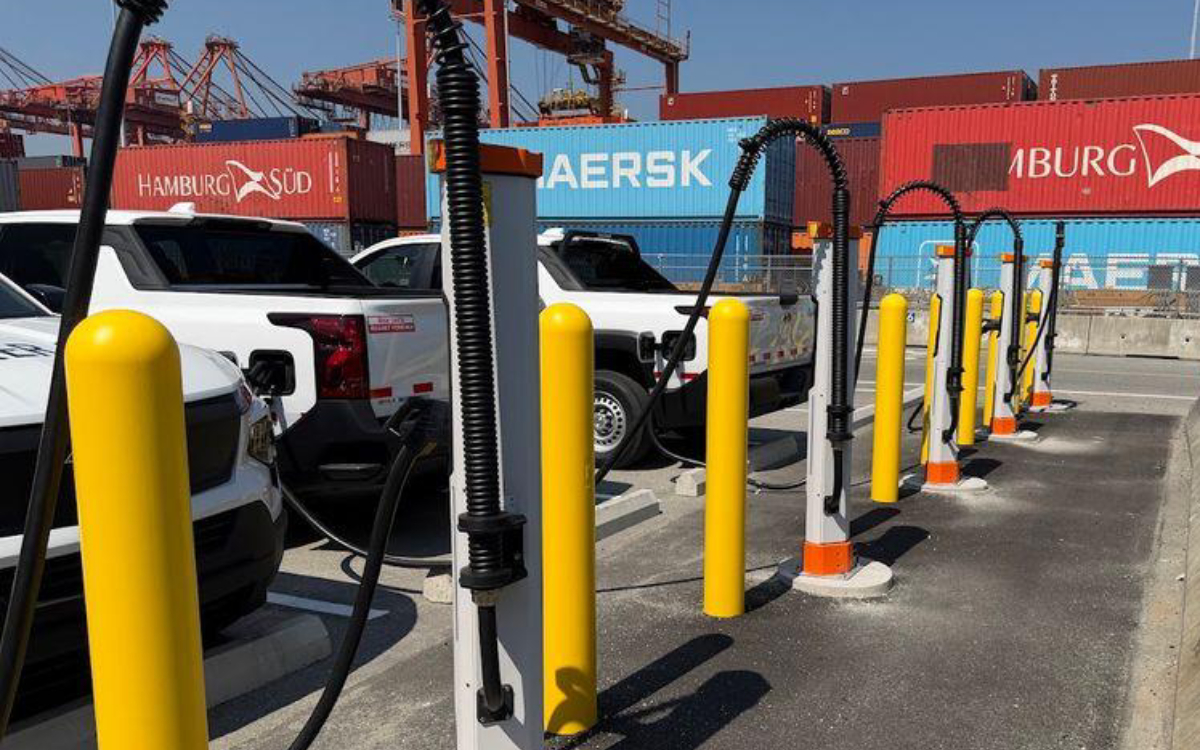
Kempower Installs Charging Infrastructure at Two Major Canadian Ports
Kempower, a Finnish company, has installed charging infrastructure at Global Container Terminals…
1h ago
ChargePoint Report: Demand for EV Chargers Exceeds Supply
A recent report from ChargePoint indicates that the demand for electric vehicle (EV) chargers is…
1h ago

B.C. Trucking Company to Launch Canada's First Tesla MCS Charging Sites
R.R. Plett Trucking is set to break ground on Canada’s first Tesla Mega Charger Sites (MCS) in…
1h ago
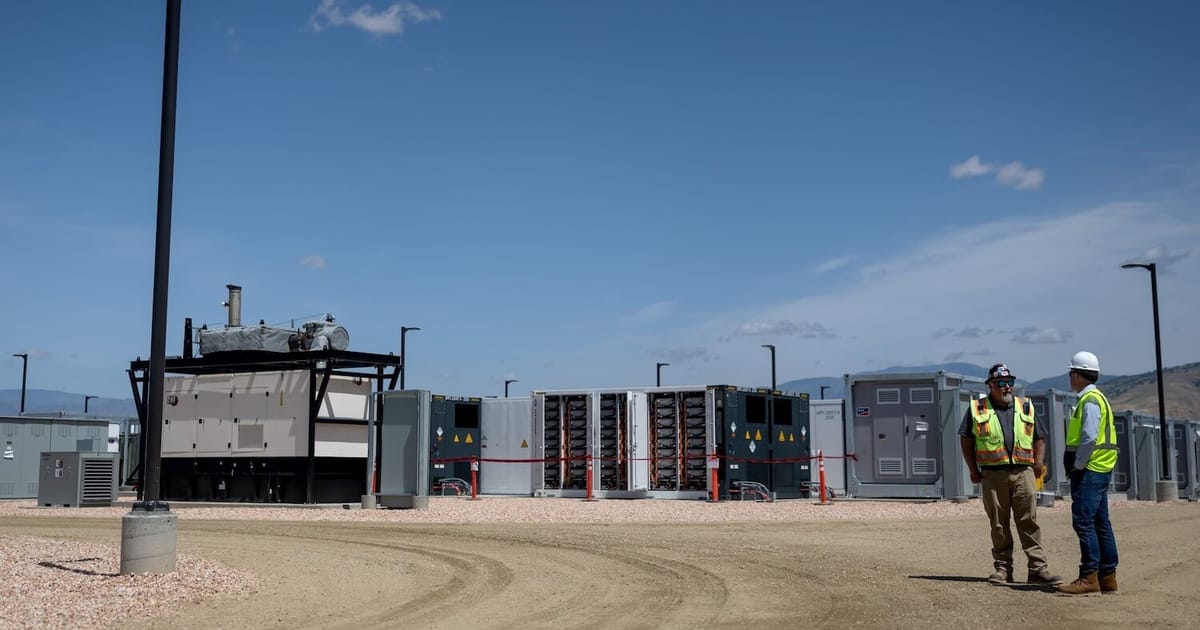
US Grid Battery Production Reaches Record High in Last Quarter
In the last quarter, the United States built more grid batteries than ever before, marking a…
1h ago