
South Korea Plans To Add 100 GW Of Renewable Energy By 2030

Edited by Ionna Brakeley
Charging & Ownership
Updated October 12, 2026
3 min read
1 linked source
South Korea has announced plans to expand its renewable energy capacity by 100 gigawatts (GW) by the year 2030. This initiative aims to transition the country's energy landscape towards more sustainable sources, impacting energy availability and potentially influencing electric vehicle (EV) infrastructure. However, specific details on implementation and funding remain unclear.
Share this story
Why it matters
- ✓Increased renewable energy capacity may lead to lower electricity costs, benefiting EV owners through reduced charging expenses.
- ✓A more robust renewable energy grid can enhance the reliability and accessibility of charging stations powered by clean energy.
- ✓The transition to renewables may encourage government incentives for EV adoption, further supporting buyers in the market.
South Korea's Renewable Energy Expansion
South Korea has officially announced a significant initiative to increase its renewable energy capacity by 100 gigawatts (GW) by 2030. This ambitious plan is part of the country's broader strategy to transition towards more sustainable energy sources, aiming to reduce reliance on fossil fuels and combat climate change. The announcement comes amid a global push for greener energy solutions and reflects South Korea's commitment to enhancing its energy infrastructure.
What Changed
The South Korean government has set a target to add 100 GW of renewable energy to its grid by 2030. This expansion is expected to include various forms of renewable energy, such as solar, wind, and possibly other emerging technologies. This initiative marks a significant shift in the country's energy policy, which has traditionally relied heavily on coal and nuclear power.
Why It Matters for Buyers and Owners
-
Lower Charging Costs: As South Korea increases its renewable energy capacity, there is potential for a decrease in electricity prices. This could translate to lower charging costs for electric vehicle (EV) owners, making EVs more economically viable.
-
Enhanced Charging Infrastructure: A more robust renewable energy grid can lead to improved accessibility and reliability of charging stations. With a focus on clean energy, EV owners may find more charging stations powered by renewable sources, enhancing the overall EV ownership experience.
-
Government Incentives: The push for renewable energy may also lead to new government incentives aimed at promoting EV adoption. These incentives could include tax breaks, rebates, or subsidies for EV buyers, further supporting the transition to electric mobility.
Key Details from Source Material
According to CleanTechnica, the announcement reflects a growing global trend towards renewable energy adoption, despite some opposition from various sectors. The article highlights that the transition to renewable energy is essential for addressing climate change and ensuring energy security. However, it also notes that the specifics of how this plan will be implemented, including funding and timeline, are still not fully detailed.
What to Watch Next
As South Korea moves forward with its renewable energy plans, it will be crucial to monitor the following developments:
- Implementation Details: Keep an eye on how the government plans to fund and execute this ambitious expansion. Specifics on projects and timelines will be important for understanding the impact on the energy market.
- Impact on EV Infrastructure: Watch for announcements regarding the development of charging stations and how they will integrate with the new renewable energy sources. This will be key for EV owners looking for reliable charging options.
- Government Incentives: Look for updates on any new policies or incentives aimed at encouraging EV adoption as part of the broader renewable energy strategy.
In conclusion, South Korea's commitment to adding 100 GW of renewable energy by 2030 is a significant step towards a more sustainable energy future. For EV buyers and owners, this transition could lead to lower costs, improved infrastructure, and potential government support, making electric mobility more accessible and appealing.
Sources
These are the documents and reports used to build this brief so readers can verify the story directly.
- South Korea Plans To Add 100 GW Of Renewable Energy By 2030 — CleanTechnicaMEDIA
Reporting notes
EV Signal briefs are written to explain the verified change first, then add the context EV buyers and owners need to understand cost, availability, charging access, eligibility, or ownership impact.
If details are still developing, we try to say what is confirmed, what comes from secondary reporting, and what readers should verify before acting.
Source mix
1 linked source
1 media
Reviewed from: CleanTechnica.
Comments
Log in with
Loading comments…
More in Charging
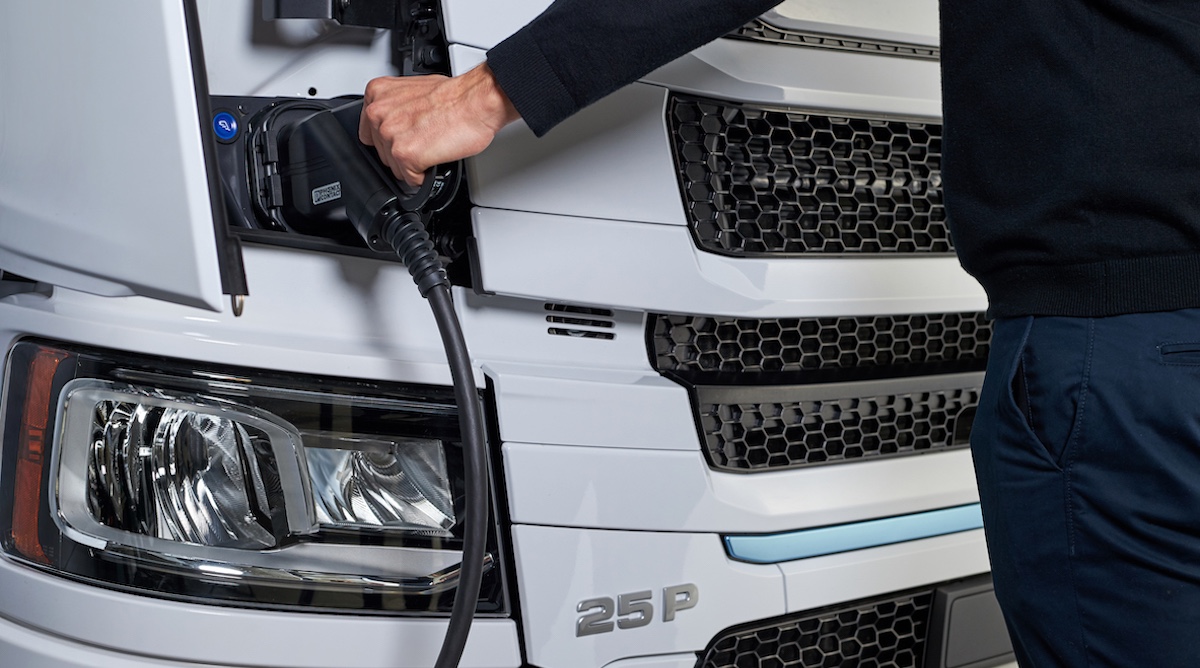
IRU and T&E Advocate for EU Framework on Semi-private Truck Charging
The International Road Transport Union (IRU) and Transport & Environment (T&E) are urging the…
2h ago

Hurricane Isaias Expected to Impact Gulf Coast Energy Production
Hurricane Isaias is projected to make landfall on the Gulf Coast late Friday or early Saturday,…
8h ago
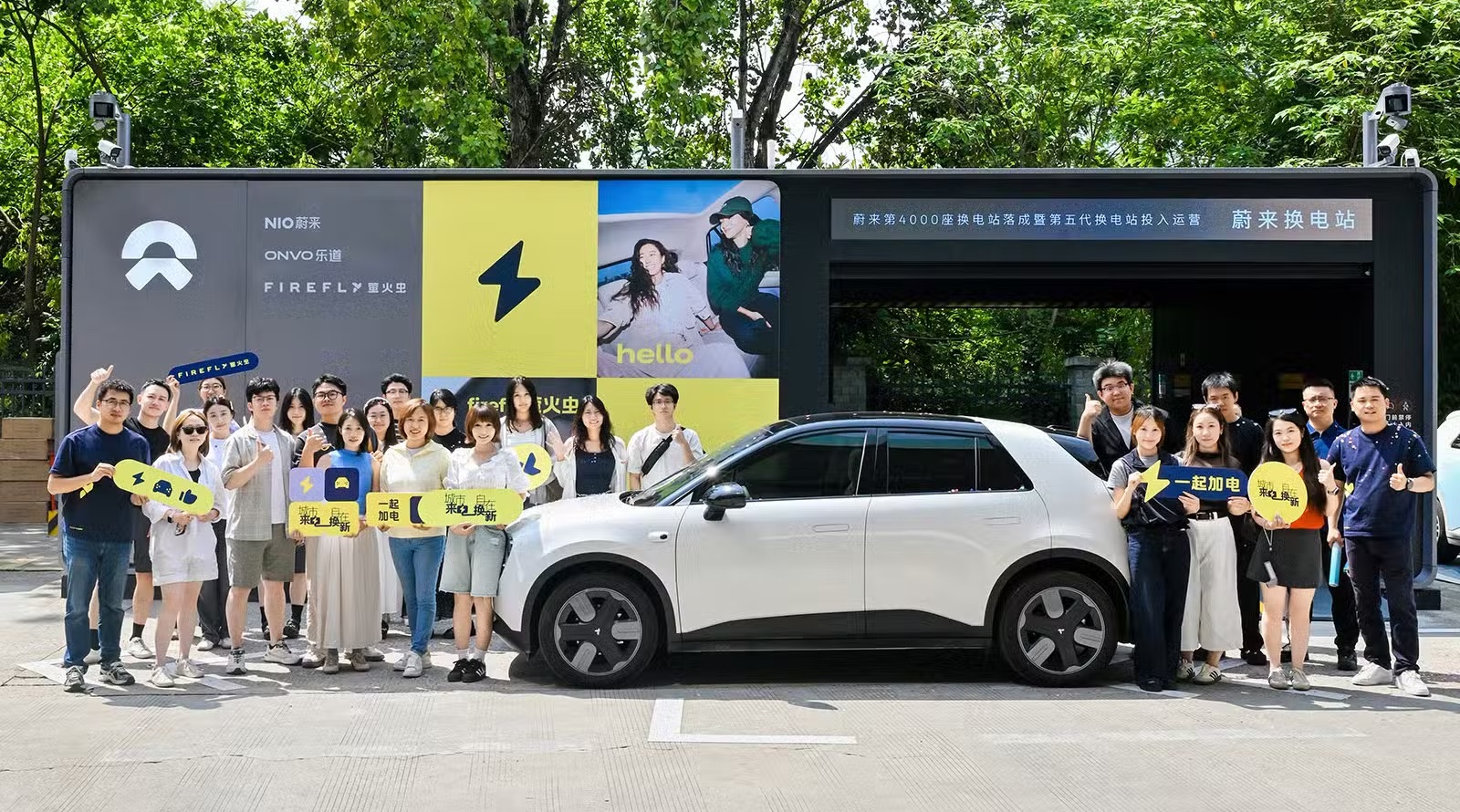
NIO Achieves 1.2 Million Battery Swaps in One Week
NIO has successfully completed 1.2 million battery swaps within a seven-day period, showcasing the…
8h ago
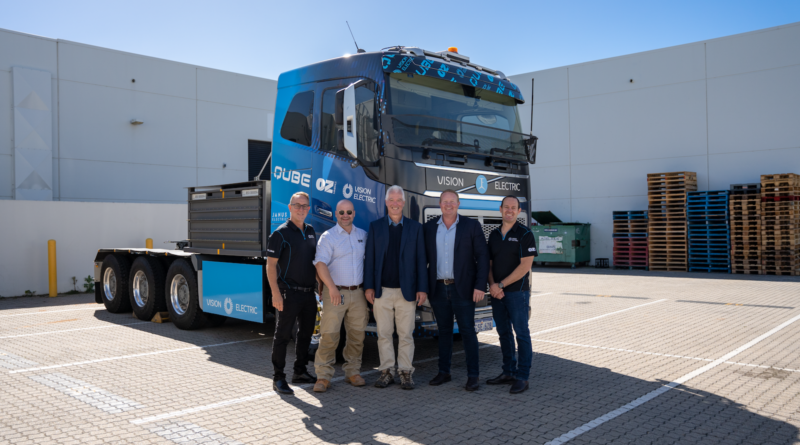
Battery Swap Technology Requires Fewer Batteries Than Anticipated
Recent insights from Janus Electric's CEO Ben Hutt reveal that battery swap technology may utilize…
8h ago