IRU and T&E Advocate for EU Framework on Semi-private Truck Charging

Edited by Ionna Brakeley
Charging & Ownership
Updated October 12, 2026
3 min read
1 linked source
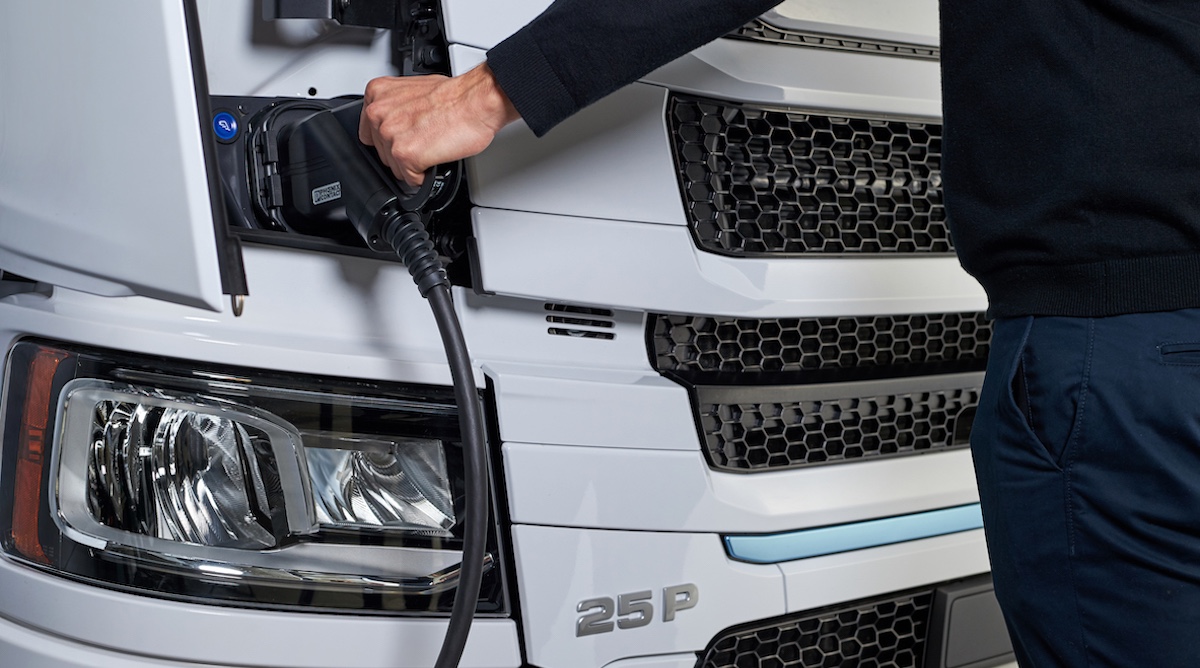
The International Road Transport Union (IRU) and Transport & Environment (T&E) are urging the European Commission to establish a framework for semi-private truck charging as part of the upcoming review of the Alternative Fuels Infrastructure Regulation (AFIR). This framework aims to facilitate charging at operators' depots and destinations, which is expected to play a significant role in the future of electric truck operations. The proposal highlights the need for integration of charging solutions into daily logistics operations.
Share this story
Why it matters
- ✓A structured framework for semi-private charging could enhance the accessibility of charging infrastructure for fleet operators, potentially reducing operational costs.
- ✓Improved charging solutions at depots may lead to more efficient logistics and reduced downtime for electric trucks, benefiting both buyers and owners.
- ✓The initiative could influence the overall cost of ownership for electric trucks by promoting more widespread charging solutions.
Introduction
The International Road Transport Union (IRU) and Transport & Environment (T&E) have called on the European Commission to create a framework for semi-private truck charging as part of the review of the Alternative Fuels Infrastructure Regulation (AFIR). This initiative aims to address the growing need for accessible and efficient charging solutions for electric trucks, particularly at operators' depots and destinations.
What Changed
The proposal from IRU and T&E emphasizes the importance of integrating charging infrastructure into the daily operations of fleet operators. As electric trucks become more prevalent, a significant portion of their charging is expected to occur at depots rather than public charging stations. The establishment of a semi-private charging framework would facilitate this transition, allowing for a more seamless integration of charging into logistics processes.
Why It Matters for Buyers and Owners
-
Enhanced Accessibility: A structured framework for semi-private charging could significantly improve access to charging facilities for fleet operators, making it easier to manage electric truck fleets.
-
Cost Efficiency: By enabling charging at depots, operators may experience reduced operational costs, as they can charge vehicles during off-peak hours or while trucks are parked, minimizing downtime.
-
Influence on Ownership Costs: The push for semi-private charging solutions could impact the overall cost of ownership for electric trucks, potentially making them more attractive to buyers by lowering the total cost of operation.
Key Details from Source Material
According to the source material from CleanTechnica, the IRU and T&E's call comes as the European Commission prepares for the AFIR review. They argue that a substantial share of truck charging will occur at operators' depots and destinations, which necessitates a dedicated framework to support this shift. The integration of charging into daily operations is seen as crucial for the successful adoption of electric trucks in the logistics sector.
What to Watch Next
As the European Commission moves forward with the AFIR review, stakeholders in the trucking and logistics industries should monitor developments regarding the proposed semi-private charging framework. The outcomes of this review could have significant implications for the future of electric truck operations in Europe, influencing both infrastructure investments and operational strategies for fleet owners. Further details on the framework's implementation and potential regulations are expected to emerge as discussions progress.
Sources
These are the documents and reports used to build this brief so readers can verify the story directly.
- IRU and T&E Call for EU Framework to Unlock Semi-private Truck Charging — CleanTechnicaMEDIA
Reporting notes
EV Signal briefs are written to explain the verified change first, then add the context EV buyers and owners need to understand cost, availability, charging access, eligibility, or ownership impact.
If details are still developing, we try to say what is confirmed, what comes from secondary reporting, and what readers should verify before acting.
Source mix
1 linked source
1 media
Reviewed from: CleanTechnica.
Comments
Log in with
Loading comments…
More in Charging

South Korea Plans To Add 100 GW Of Renewable Energy By 2030
South Korea has announced plans to expand its renewable energy capacity by 100 gigawatts (GW) by…
2h ago

Hurricane Isaias Expected to Impact Gulf Coast Energy Production
Hurricane Isaias is projected to make landfall on the Gulf Coast late Friday or early Saturday,…
8h ago

NIO Achieves 1.2 Million Battery Swaps in One Week
NIO has successfully completed 1.2 million battery swaps within a seven-day period, showcasing the…
8h ago
Battery Swap Technology Requires Fewer Batteries Than Anticipated
Recent insights from Janus Electric's CEO Ben Hutt reveal that battery swap technology may utilize…
8h ago