Battery Swap Technology Requires Fewer Batteries Than Anticipated

Edited by Ionna Brakeley
Charging & Ownership
Updated October 12, 2026
3 min read
1 linked source
Recent insights from Janus Electric's CEO Ben Hutt reveal that battery swap technology may utilize significantly fewer batteries than previously thought. This could impact electric vehicle (EV) owners and buyers by potentially lowering costs and simplifying battery management. However, the full implications of this technology are still being explored.
Share this story
Why it matters
- ✓Reduced battery requirements could lead to lower costs for EV buyers and owners.
- ✓Simplified battery management may enhance the user experience, making EV ownership more accessible.
- ✓The technology's development could influence the availability of battery swap stations, affecting charging access.
Battery Swap Technology Requires Fewer Batteries Than Anticipated
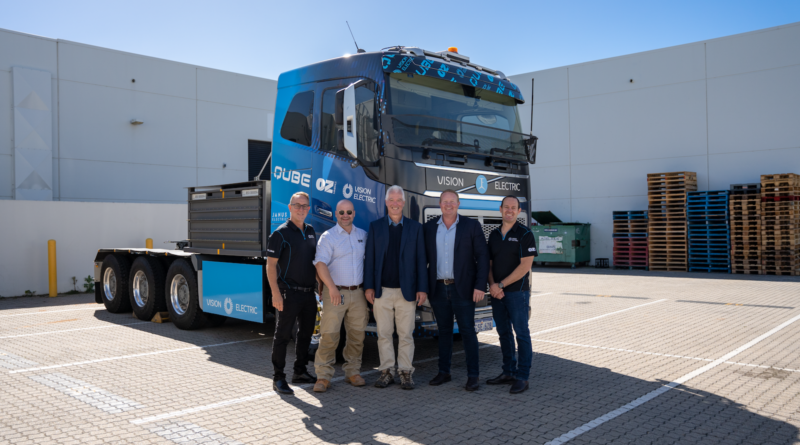
Recent discussions surrounding battery swap technology have revealed that it may utilize fewer batteries than previously expected. In an interview with Janus Electric CEO Ben Hutt, insights were shared about the operational efficiencies of battery swapping, particularly in the context of electric trucks.
What Changed
The key takeaway from Hutt's interview is that the battery swap model, as implemented by Janus Electric, allows for a reduction in the total number of batteries needed for electric vehicles. This is a significant development, as it challenges the conventional understanding of battery requirements in EVs, suggesting that the technology could be more efficient and cost-effective than anticipated.
Why It Matters for Buyers/Owners
- Cost Implications: If fewer batteries are needed, this could translate to lower upfront costs for buyers, making electric trucks and vehicles more financially accessible.
- User Experience: A simplified battery management system could enhance the overall experience for EV owners, reducing the complexity associated with battery maintenance and replacement.
- Charging Infrastructure: The development of battery swap stations may become more viable, improving charging access for EV owners and potentially leading to a wider adoption of electric vehicles.
Key Details from Source Material
The insights shared by Hutt stem from his experience with Janus Electric, an Australian company focused on electric truck conversions. The company is exploring innovative solutions to enhance the efficiency of electric vehicles, particularly in the commercial sector. While the exact number of batteries saved through this technology has not been disclosed, the implications of reduced battery needs could reshape the market for electric vehicles.
What to Watch Next
As the battery swap technology continues to evolve, it will be important to monitor further developments from Janus Electric and other companies exploring similar solutions. Key areas to watch include:
- The rollout of battery swap stations and their geographic availability.
- Any updates on cost savings associated with reduced battery requirements.
- Consumer feedback on the practicality and efficiency of battery swapping in everyday use.
In conclusion, while the potential for fewer batteries in battery swap technology is promising, further details and developments will be crucial in understanding its full impact on the electric vehicle market.
Sources
These are the documents and reports used to build this brief so readers can verify the story directly.
- Battery Swap Uses Fewer Batteries Than You Think — CleanTechnicaMEDIA
Reporting notes
EV Signal briefs are written to explain the verified change first, then add the context EV buyers and owners need to understand cost, availability, charging access, eligibility, or ownership impact.
If details are still developing, we try to say what is confirmed, what comes from secondary reporting, and what readers should verify before acting.
Source mix
1 linked source
1 media
Reviewed from: CleanTechnica.
Comments
Log in with
Loading comments…
More in Charging

Hurricane Isaias Expected to Impact Gulf Coast Energy Production
Hurricane Isaias is projected to make landfall on the Gulf Coast late Friday or early Saturday,…
2h ago

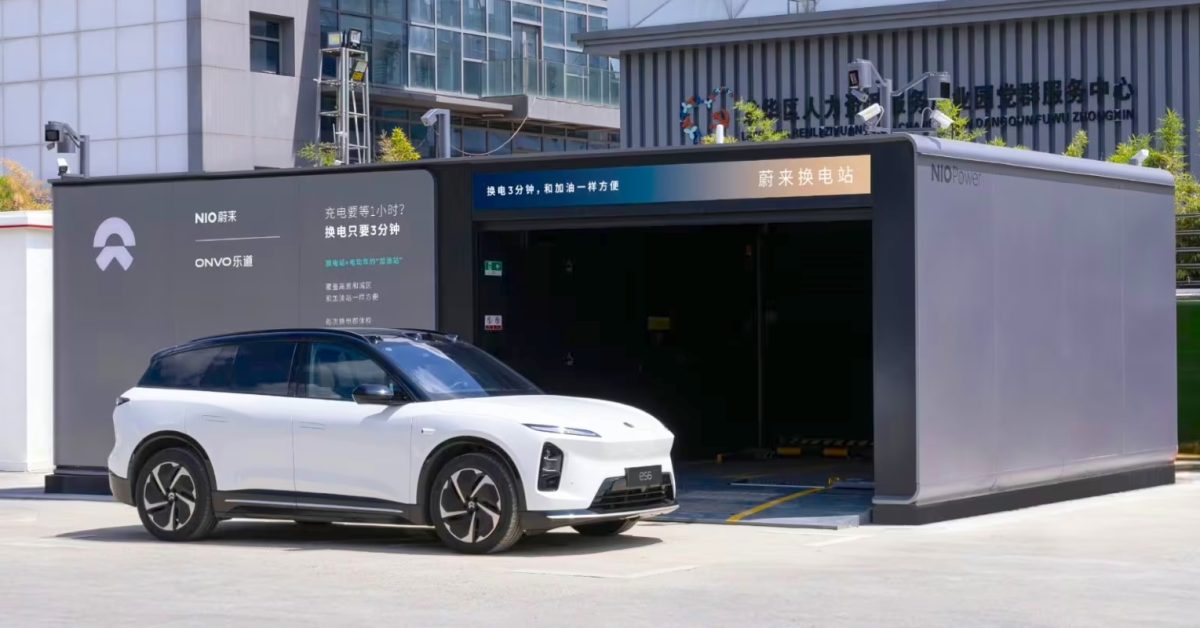
NIO Achieves 1.2 Million Battery Swaps in One Week
NIO has successfully completed 1.2 million battery swaps within a seven-day period, showcasing the…
2h ago

New Electric Semi Truck Charging Hub Announced in Southern California
EV Realty has announced plans for a new electric semi truck charging hub in the Inland Empire…
8h ago
Nio Achieves 1.2 Million Battery Swaps in One Week
Nio, a Chinese electric vehicle manufacturer, has completed 1.2 million battery swaps in a single…
1d ago