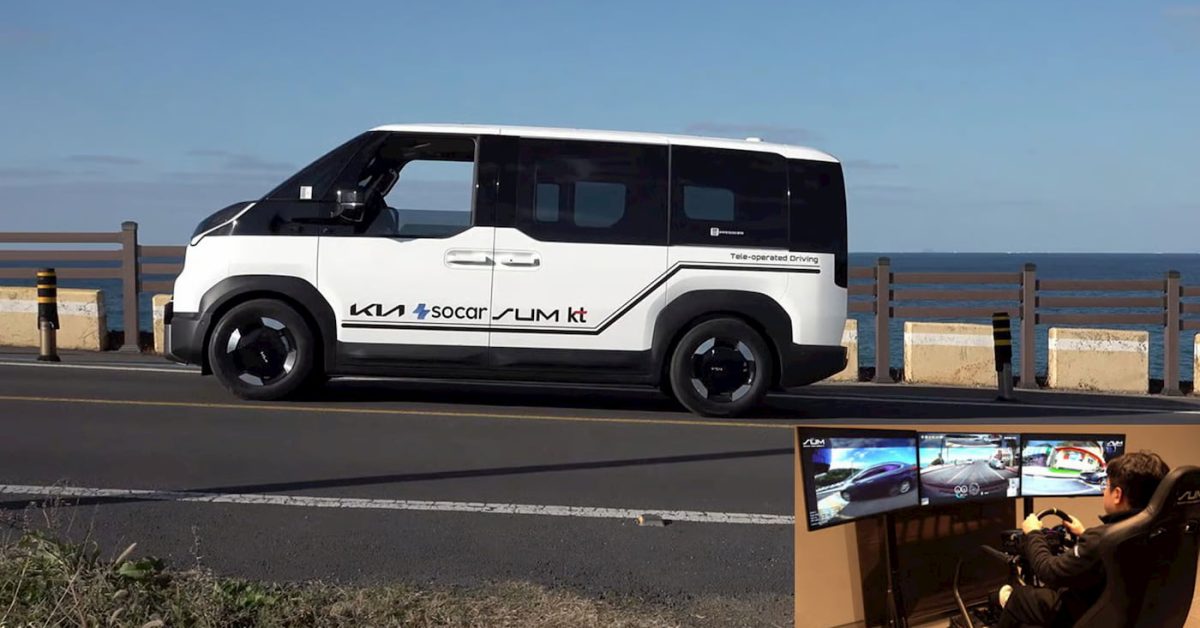
Kia Launches Remote Driving Car-Sharing Service with PV5 EV Van

Edited by Ionna Brakeley
Charging & Ownership
Updated October 16, 2026
3 min read
1 linked source
Kia has introduced a remote car-sharing program in South Korea utilizing its PV5 electric van, marking a first in the industry. This service allows users to operate the vehicle remotely, but details regarding pricing and availability are still limited. The initiative primarily targets urban users seeking flexible transportation options.
Share this story
Why it matters
- ✓This service could reduce the cost of ownership for urban EV users by providing an alternative to traditional car ownership.
- ✓It offers a new level of convenience for users who may not need a vehicle full-time but require access to one occasionally.
- ✓The remote driving feature may enhance the utility of EVs in urban settings, potentially leading to increased adoption.
Kia Launches Remote Driving Car-Sharing Service with PV5 EV Van
Kia has officially launched a groundbreaking remote car-sharing program in South Korea, utilizing its PV5 electric van. This innovative service allows users to operate the vehicle remotely, a first in the automotive industry, and aims to provide a flexible transportation solution for urban dwellers.
What Changed
The introduction of the remote driving car-sharing service represents a significant shift in how consumers can access and use vehicles. By leveraging the capabilities of the PV5 electric van, Kia is positioning itself at the forefront of the evolving mobility landscape. Users can now control the van from a distance, making it a unique offering in the car-sharing market.
Why It Matters for Buyers/Owners
This new service could have several implications for current and prospective EV buyers and owners:
- Cost Reduction: By providing an alternative to traditional car ownership, this service may help urban users lower their transportation costs, as they can access a vehicle only when needed.
- Convenience: The remote driving feature enhances convenience, allowing users to operate the vehicle without being physically present, which could be particularly useful in busy urban environments.
- Increased Adoption: As more innovative services like this emerge, they may encourage more individuals to consider EVs, potentially leading to a broader acceptance and integration of electric vehicles in daily life.
Key Details from Source Material
According to Electrek, Kia's PV5 electric van is at the center of this new car-sharing initiative. While specific details about pricing and the operational framework of the service are still emerging, the concept of remote driving is expected to attract a tech-savvy demographic looking for flexible transportation solutions. The service is currently available in South Korea, and it remains to be seen whether Kia will expand this offering to other markets in the future.
What to Watch Next
As Kia continues to roll out this service, it will be important to monitor how it performs in the market and whether it meets consumer expectations. Key areas to watch include:
- User Adoption: How quickly and widely the service is embraced by urban residents.
- Pricing Structure: Any announcements regarding the cost of using the service, which will be crucial for its success.
- Expansion Plans: Whether Kia plans to introduce this service in other regions or countries, which could significantly impact the global EV market.
In conclusion, Kia's launch of a remote driving car-sharing service with the PV5 EV van is a notable development in the automotive industry, particularly for urban transportation. As details continue to unfold, both buyers and owners of EVs should keep an eye on how this innovative service evolves.
Sources
These are the documents and reports used to build this brief so readers can verify the story directly.
Reporting notes
EV Signal briefs are written to explain the verified change first, then add the context EV buyers and owners need to understand cost, availability, charging access, eligibility, or ownership impact.
If details are still developing, we try to say what is confirmed, what comes from secondary reporting, and what readers should verify before acting.
Source mix
1 linked source
1 media
Reviewed from: Electrek.
Newsletter
Weekly EV signal. No spam.
Comments
Log in with
Loading comments…
More in Ownership

Europe Needs Electric Freight Corridors, Not Just Electric Ships
The push for electric ships in Europe highlights the need for dedicated electric freight corridors…
2h ago

Green SM Launches All-Electric Taxi Service in Los Angeles
Green SM, a Vietnamese mobility brand, has introduced its all-electric taxi service in Los Angeles,…
2h ago
Waymo Launches Robotaxi Service in Toronto, Aiming for 2028 Public Riders
Waymo has announced that Toronto will be its first Canadian city for its robotaxi service, with…
2h ago

Spiny 2 Accessory Converts Bicycles to Electric in Three Seconds
The Spiny 2 is a new accessory that allows users to convert their traditional bicycles into…
2h ago