
Waymo Launches Robotaxi Service in Toronto, Aiming for 2028 Public Riders

Edited by Ionna Brakeley
Charging & Ownership
Updated October 16, 2026
3 min read
1 linked source
Waymo has announced that Toronto will be its first Canadian city for its robotaxi service, with plans to begin operations in the coming days. The company aims to have its first public riders by 2028, although the lack of existing regulations for commercial driverless services in Ontario presents a significant hurdle.
Share this story
Why it matters
- ✓The introduction of Waymo's robotaxi service could enhance urban mobility options for EV owners and riders in Toronto.
- ✓The lack of regulatory framework may delay the availability of commercial driverless services, impacting potential users' access to this technology.
- ✓As Waymo expands its operations internationally, it may influence the development of similar services in Canada and beyond, potentially affecting EV market dynamics.
Waymo Launches Robotaxi Service in Toronto
Waymo has officially selected Toronto as its first Canadian city for the deployment of its robotaxi service. The company plans to start driving its autonomous vehicles on the city's streets in the coming days, with the goal of having its first public riders by 2028. This marks a significant expansion for Waymo, as Toronto becomes its fourth announced market outside the United States, following London, Tokyo, and Singapore.
What Changed
Waymo's decision to enter the Canadian market with its robotaxi service is a notable development in the realm of autonomous transportation. However, the announcement comes with a critical limitation: Ontario currently lacks regulations governing commercial driverless services. This regulatory gap could pose challenges for Waymo in its efforts to launch a fully operational service by the targeted date of 2028.
Why It Matters for Buyers/Owners
-
Enhanced Mobility Options: The introduction of Waymo's robotaxi service could provide additional transportation options for EV owners and riders in Toronto, potentially reducing reliance on personal vehicles.
-
Regulatory Challenges: The absence of a regulatory framework for commercial driverless services in Ontario may delay the rollout of Waymo's service, impacting when and how residents can access this technology.
-
Influence on Market Dynamics: As Waymo expands its operations, it may pave the way for similar services in Canada, influencing the overall EV market and the adoption of autonomous vehicles in urban settings.
Key Details from Source Material
According to Electrek, Waymo's robotaxis are set to begin operations in Toronto shortly, with the company aiming for public ridership by 2028. However, the lack of existing regulations in Ontario for commercial driverless services could complicate this timeline. This situation highlights the ongoing challenges faced by autonomous vehicle companies as they navigate varying regulatory environments across different regions.
What to Watch Next
As Waymo prepares to launch its robotaxi service in Toronto, it will be essential to monitor any developments regarding regulatory changes in Ontario that may facilitate or hinder the rollout of commercial driverless services. Additionally, updates on Waymo's operational plans and timelines will be crucial for potential riders and EV owners interested in utilizing this new mode of transportation. Stakeholders should also keep an eye on how this expansion might influence other Canadian cities and the broader autonomous vehicle landscape.
Sources
These are the documents and reports used to build this brief so readers can verify the story directly.
Reporting notes
EV Signal briefs are written to explain the verified change first, then add the context EV buyers and owners need to understand cost, availability, charging access, eligibility, or ownership impact.
If details are still developing, we try to say what is confirmed, what comes from secondary reporting, and what readers should verify before acting.
Source mix
1 linked source
1 media
Reviewed from: Electrek.
Newsletter
Weekly EV signal. No spam.
Comments
Log in with
Loading comments…
More in Ownership

Europe Needs Electric Freight Corridors, Not Just Electric Ships
The push for electric ships in Europe highlights the need for dedicated electric freight corridors…
Just now

Green SM Launches All-Electric Taxi Service in Los Angeles
Green SM, a Vietnamese mobility brand, has introduced its all-electric taxi service in Los Angeles,…
Just now

Spiny 2 Accessory Converts Bicycles to Electric in Three Seconds
The Spiny 2 is a new accessory that allows users to convert their traditional bicycles into…
Just now
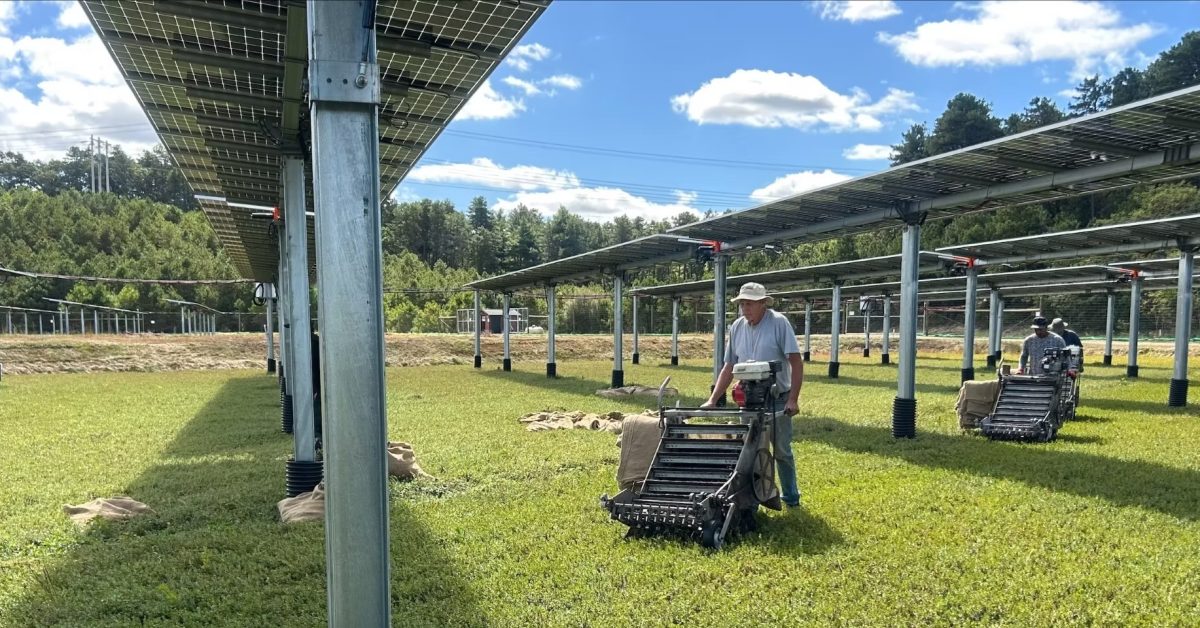
Solar Panels Revitalize Idle Cranberry Bogs in Massachusetts
Two cranberry bogs in Massachusetts that had ceased production are now thriving again, thanks to…
Just now