
Europe Needs Electric Freight Corridors, Not Just Electric Ships

Edited by Ionna Brakeley
Charging & Ownership
Updated October 16, 2026
3 min read
1 linked source
The push for electric ships in Europe highlights the need for dedicated electric freight corridors to support sustainable shipping. While electric vessels are gaining attention, the infrastructure to support them remains underdeveloped. This situation affects the efficiency and viability of electric shipping, particularly for inland routes.
Share this story
Why it matters
- ✓Electric freight corridors could enhance the availability and efficiency of electric shipping, potentially lowering costs for EV owners reliant on freight services.
- ✓Improved infrastructure may lead to more reliable shipping schedules, affecting delivery times for goods transported by electric means.
- ✓The development of these corridors could influence the overall adoption of electric vehicles in logistics, impacting the market for EVs.
Introduction
The transition to electric shipping in Europe is gaining momentum, but experts argue that merely introducing electric vessels is not enough. A comprehensive network of electric freight corridors is essential to support these ships and ensure their effectiveness in reducing carbon emissions.
What Changed
Recent discussions have emphasized the importance of developing electric freight corridors alongside the introduction of electric ships. While electric vessels are becoming more visible, the infrastructure necessary to support their operation, particularly on inland routes, is still lacking. This gap presents challenges for the decarbonization of shipping in Europe.
Why It Matters for Buyers and Owners
- Infrastructure Development: The establishment of electric freight corridors could lead to enhanced shipping capabilities, making electric freight services more accessible and efficient for businesses and consumers alike.
- Cost Implications: Improved infrastructure may reduce operational costs for shipping companies, which could translate into lower prices for goods transported by electric means, benefiting EV owners who rely on these services.
- Market Influence: The success of electric freight corridors could encourage broader adoption of electric vehicles in logistics, potentially increasing the availability and variety of electric options for consumers.
Key Details from Source Material
According to CleanTechnica, electric ships are often seen as a straightforward solution to decarbonizing the shipping industry. By replacing traditional diesel propulsion systems with electric motors and large batteries, these vessels can operate more sustainably. However, the article stresses that without the necessary infrastructure—such as charging stations and dedicated corridors—these electric ships may not reach their full potential.
Inland shipping, in particular, is highlighted as a promising area for electric vessels due to the predictable routes between known terminals. Yet, the lack of electric freight corridors limits the operational efficiency and scalability of these electric ships.
What to Watch Next
As discussions around electric freight corridors continue, stakeholders in the shipping and logistics sectors will be closely monitoring developments. Key areas to watch include:
- Government Initiatives: Any new policies or funding aimed at developing electric freight infrastructure could significantly impact the pace of adoption.
- Industry Collaboration: Partnerships between shipping companies, governments, and technology providers may emerge to address infrastructure gaps.
- Technological Advancements: Innovations in battery technology and charging solutions could also play a crucial role in the viability of electric shipping.
In conclusion, while the introduction of electric ships is a positive step towards a more sustainable shipping industry in Europe, the establishment of electric freight corridors is equally critical. Without this infrastructure, the full benefits of electric shipping may remain unrealized.
Sources
These are the documents and reports used to build this brief so readers can verify the story directly.
- Europe Needs Electric Freight Corridors, Not Just Electric Ships — CleanTechnicaMEDIA
Reporting notes
EV Signal briefs are written to explain the verified change first, then add the context EV buyers and owners need to understand cost, availability, charging access, eligibility, or ownership impact.
If details are still developing, we try to say what is confirmed, what comes from secondary reporting, and what readers should verify before acting.
Source mix
1 linked source
1 media
Reviewed from: CleanTechnica.
Newsletter
Weekly EV signal. No spam.
Comments
Log in with
Loading comments…
More in Ownership

Green SM Launches All-Electric Taxi Service in Los Angeles
Green SM, a Vietnamese mobility brand, has introduced its all-electric taxi service in Los Angeles,…
Just now

Waymo Launches Robotaxi Service in Toronto, Aiming for 2028 Public Riders
Waymo has announced that Toronto will be its first Canadian city for its robotaxi service, with…
Just now

Spiny 2 Accessory Converts Bicycles to Electric in Three Seconds
The Spiny 2 is a new accessory that allows users to convert their traditional bicycles into…
Just now
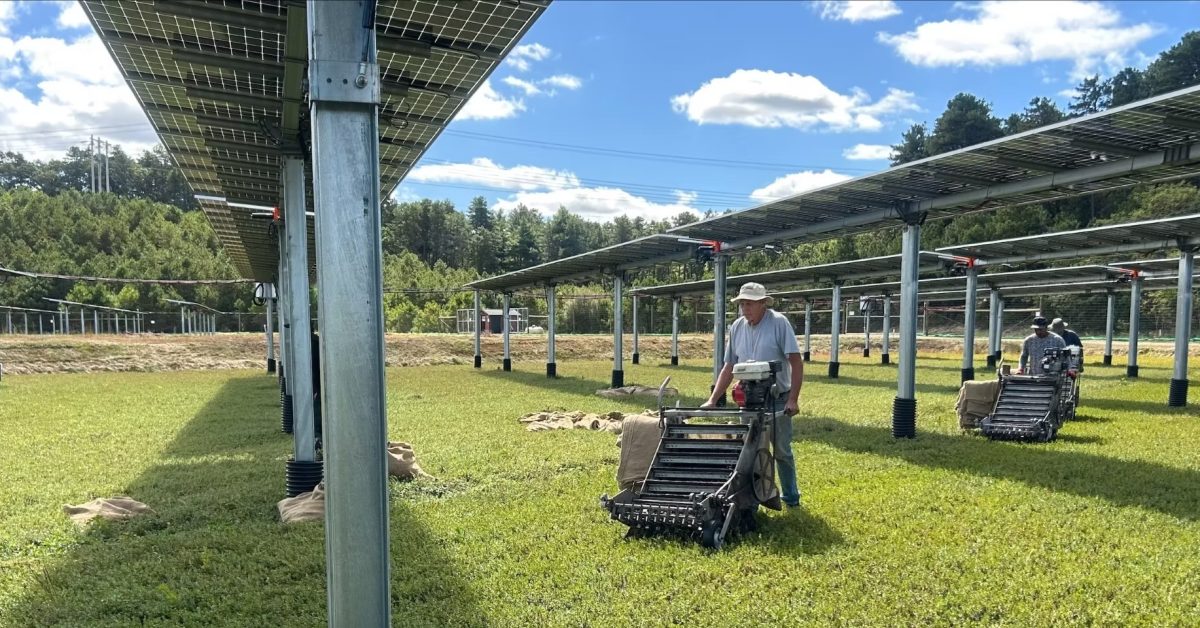
Solar Panels Revitalize Idle Cranberry Bogs in Massachusetts
Two cranberry bogs in Massachusetts that had ceased production are now thriving again, thanks to…
Just now