
HUBER+SUHNER Introduces RADOX® High Voltage Cables for EVs

Edited by Ionna Brakeley
Charging & Ownership
Updated October 16, 2026
3 min read
1 linked source
HUBER+SUHNER has unveiled its RADOX® high voltage cables, designed to replace traditional corrugated cables in electric vehicles (EVs). These new cables promise enhanced electrical performance and durability in harsh environments, benefiting manufacturers and ultimately EV owners. However, details on widespread availability and pricing remain unclear.
Share this story
Why it matters
- ✓Improved durability of high voltage cables may lead to lower maintenance costs for EV owners.
- ✓Enhanced electrical performance could improve charging efficiency and overall vehicle performance.
- ✓Potential for wider adoption of RADOX® cables may influence future EV designs and manufacturing standards.
Introduction of RADOX® High Voltage Cables
HUBER+SUHNER has introduced its RADOX® high voltage cables, which are set to replace traditional corrugated high voltage cables in electric vehicles (EVs). These new cables are engineered to provide superior electrical performance while also withstanding the harsh conditions often encountered in automotive environments.
What Changed?
The significant shift from corrugated high voltage cables to RADOX® cables represents a notable advancement in EV technology. The RADOX® cables are designed to offer better protection against abrasion, chemicals, and moisture, which are critical factors in ensuring the longevity and reliability of high voltage systems in EVs. This change is particularly relevant for manufacturers who are looking to enhance their vehicle designs and improve overall performance.
Why It Matters for Buyers and Owners
The introduction of RADOX® cables could have several implications for EV buyers and owners:
- Lower Maintenance Costs: With improved durability, these cables may require less frequent replacements, potentially reducing long-term ownership costs.
- Enhanced Performance: The better electrical performance of RADOX® cables could lead to more efficient charging and improved vehicle operation, benefiting users in terms of performance and convenience.
- Future Design Standards: As manufacturers adopt RADOX® cables, this may set new industry standards that could influence the design and functionality of future EV models.
Key Details from Source Material
According to the source, high voltage cables are a critical component of every EV, serving as the architectural foundation for electrical performance. The introduction of RADOX® cables aims to address the limitations of traditional corrugated tubes, which have been used to shield cables from environmental damage. The RADOX® cables are expected to provide a more robust solution, enhancing the overall reliability of EVs.
What to Watch Next
While the introduction of RADOX® cables is promising, details regarding their widespread availability and pricing have not yet been confirmed. EV buyers and owners should keep an eye on announcements from HUBER+SUHNER and automotive manufacturers regarding the integration of these cables into new vehicle models. Additionally, monitoring industry responses and potential shifts in manufacturing practices will be crucial as this technology gains traction in the market.
Sources
These are the documents and reports used to build this brief so readers can verify the story directly.
- Moving beyond corrugated high voltage cables with RADOX® from HUBER+SUHNER — Charged EVsMEDIA
Reporting notes
EV Signal briefs are written to explain the verified change first, then add the context EV buyers and owners need to understand cost, availability, charging access, eligibility, or ownership impact.
If details are still developing, we try to say what is confirmed, what comes from secondary reporting, and what readers should verify before acting.
Source mix
1 linked source
1 media
Reviewed from: Charged EVs.
Newsletter
Weekly EV signal. No spam.
Comments
Log in with
Loading comments…
More in Ownership
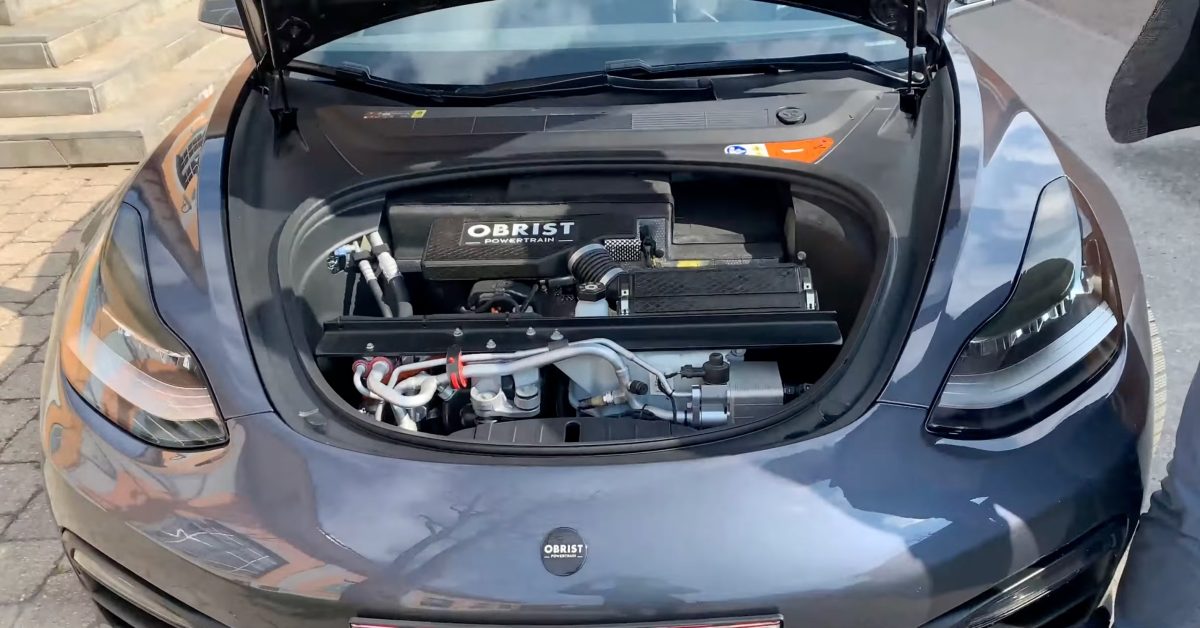
Obrist Engineering Firm Files for Bankruptcy with $37 Million Debt
Obrist, the Austrian engineering company known for retrofitting Tesla vehicles with gas engines,…
1h ago

Webinar Highlights Advances in High-Voltage Power Electronics for EVs
A recent webinar discussed the shift towards 800V+ architectures and the integration of SiC/GaN…
1h ago

Xponential Battery Materials and SiCAM Collaborate on Silicon-Sulfur Battery Platform
Xponential Battery Materials (XBM) and SiCAM Technologies have announced a collaboration to develop…
1h ago

Sakuu Produces 100 Dry-Printed Carbon Fiber Battery Cells on Kavian Platform
Sakuu has successfully produced 100 dry-printed battery cells utilizing carbon composite and…
1h ago