EU Proposes Revisions to Enhance EV Charging Price Transparency

Edited by Ionna Brakeley
Charging & Ownership
Updated September 29, 2026
3 min read
1 linked source
The European Union is revising the Alternative Fuels Infrastructure Regulation (AFIR) to improve public EV charging price transparency and competition. This change aims to establish a baseline for charging infrastructure across the EU, impacting EV buyers and owners by potentially lowering costs and increasing access to charging stations. However, specific details on implementation and pricing structures remain unclear.
Share this story
Why it matters
- ✓Improved price transparency could lead to more competitive pricing for EV charging, benefiting consumers.
- ✓Enhanced infrastructure coverage may increase the availability of charging stations, making EV ownership more convenient.
- ✓The regulation aims to ensure that all EV owners have access to reliable and affordable charging options.
EU Proposes Revisions to Enhance EV Charging Price Transparency
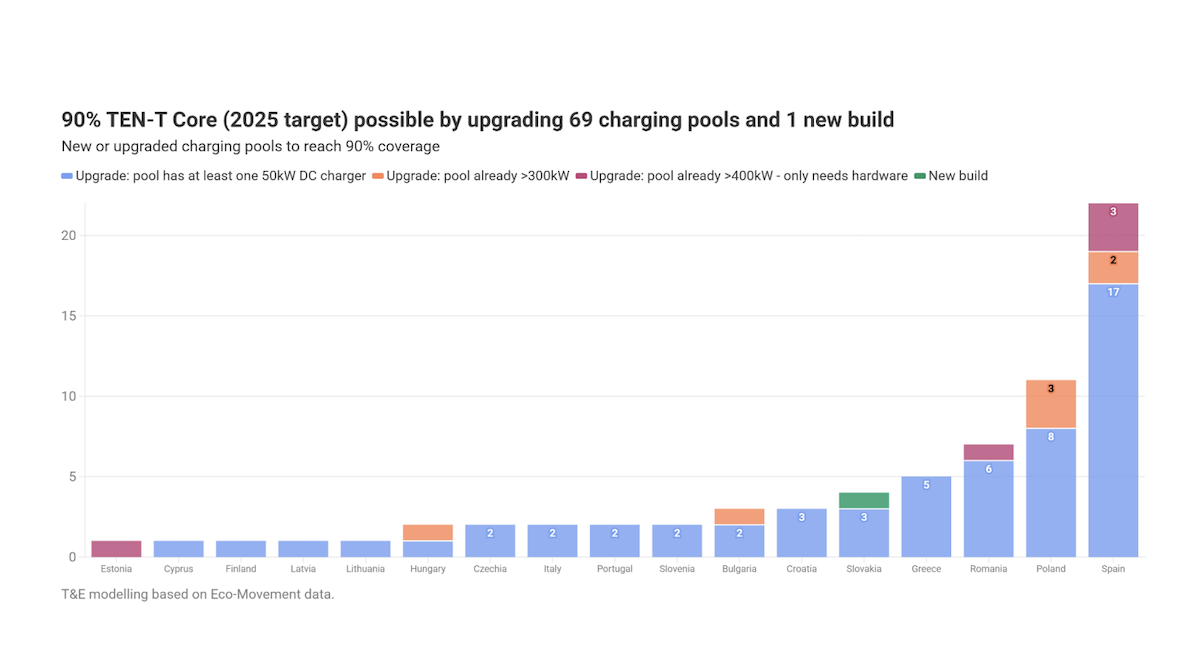
The European Union is taking significant steps to enhance public electric vehicle (EV) charging price transparency and competition through proposed revisions to the Alternative Fuels Infrastructure Regulation (AFIR). This regulation serves as a foundational framework for the EU's public charging infrastructure, aiming to ensure that all member states meet specific distance-based targets for charging coverage.
What Changed
The proposed revisions to AFIR are designed to establish a baseline for public charging infrastructure across the EU. This includes setting distance-based targets to ensure that charging stations are adequately distributed, making it easier for EV owners to find charging options. The changes also emphasize the importance of price transparency in the charging market, which could lead to more competitive pricing among charging providers.
Why It Matters for Buyers/Owners
The implications of these changes are significant for current and prospective EV buyers and owners:
- Price Transparency: By promoting clearer pricing structures, consumers may benefit from more competitive rates for charging their vehicles, potentially lowering the overall cost of EV ownership.
- Increased Access: With a focus on expanding charging infrastructure, EV owners can expect improved access to charging stations, reducing range anxiety and making long-distance travel more feasible.
- Reliability and Affordability: The regulation aims to ensure that all EV owners have access to reliable and affordable charging options, which is crucial for the widespread adoption of electric vehicles.
Key Details from Source Material
According to CleanTechnica, the AFIR revisions are a cornerstone of the EU's strategy to enhance public charging infrastructure. The regulation seeks to address the current challenges faced by EV owners, such as inconsistent pricing and limited charging availability. By establishing a framework that mandates distance-based targets for charging stations, the EU aims to create a more robust and user-friendly charging network.
While the proposed changes are a step in the right direction, specific details regarding the implementation of price transparency measures and how they will affect charging costs remain to be clarified. The effectiveness of these revisions will depend on how they are executed across different member states and the cooperation of charging providers.
What to Watch Next
As the EU moves forward with these revisions, it will be important to monitor the following developments:
- Implementation Timeline: Keep an eye on when these changes will take effect and how quickly member states will adapt to the new regulations.
- Pricing Structures: Look for updates on how charging providers will adjust their pricing in response to the new transparency requirements.
- Infrastructure Growth: Watch for announcements regarding the expansion of charging networks and the establishment of new stations, particularly in underserved areas.
In conclusion, the proposed revisions to the AFIR represent a significant effort by the EU to enhance the EV charging landscape. By focusing on price transparency and infrastructure growth, the regulation aims to make electric vehicle ownership more accessible and affordable for consumers across Europe.
Sources
These are the documents and reports used to build this brief so readers can verify the story directly.
- Unlock Public EV Charging Price Transparency & Competition — CleanTechnicaMEDIA
Reporting notes
EV Signal briefs are written to explain the verified change first, then add the context EV buyers and owners need to understand cost, availability, charging access, eligibility, or ownership impact.
If details are still developing, we try to say what is confirmed, what comes from secondary reporting, and what readers should verify before acting.
Source mix
1 linked source
1 media
Reviewed from: CleanTechnica.
Comments
Log in with
Loading comments…
More in Charging

Geely Acquires 30% Stake in NIO Power
Geely has secured a 30% ownership stake in NIO Power, a significant move in the electric vehicle…
1h ago
Canadian Municipalities Expanding Residential EV Charging Requirements
Several Canadian municipalities are beginning to implement expanded residential EV charging…
7h ago

SOLARLAP Demonstrates Solar-Powered Travel Across Australia
Andrew Mangano has embarked on a journey around Australia using primarily solar energy to power his…
7h ago
EIA Projects 83 GW of Renewables and Storage in Next Year as Fossil Fuel Capacity Declines
The U.S. Energy Information Administration (EIA) forecasts that approximately 82.7 gigawatts (GW)…
7h ago