EIA Projects 83 GW of Renewables and Storage in Next Year as Fossil Fuel Capacity Declines

Edited by Ionna Brakeley
Charging & Ownership
Updated September 29, 2026
3 min read
1 linked source
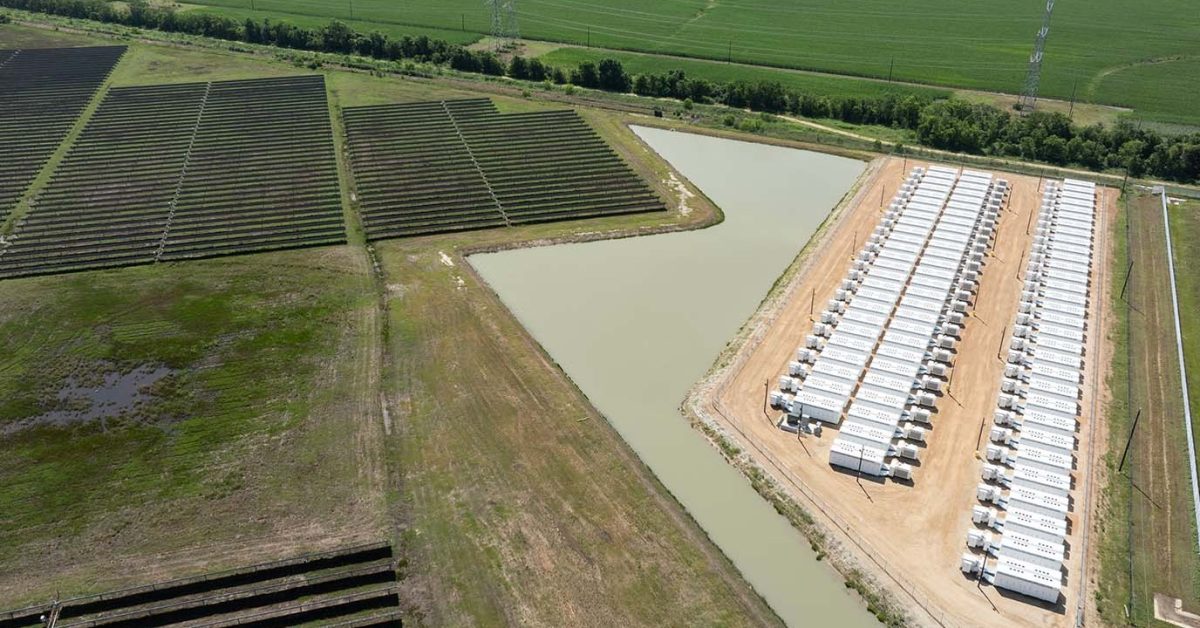
The U.S. Energy Information Administration (EIA) forecasts that approximately 82.7 gigawatts (GW) of new renewable energy and battery storage capacity will be added over the next 12 months. In contrast, fossil fuel and nuclear power capacity is expected to decrease by more than 1.4 GW. This shift indicates a significant transition towards cleaner energy sources, although the exact impacts on energy prices and infrastructure remain to be seen.
Share this story
Why it matters
- ✓Increased renewable energy capacity may lead to lower electricity prices over time, benefiting EV owners by reducing charging costs.
- ✓As fossil fuel capacity declines, the reliability of charging infrastructure may improve, enhancing access for EV users.
- ✓The growth in battery storage capacity could facilitate more efficient energy use, potentially leading to better charging options and availability.
Overview of the Change
The U.S. Energy Information Administration (EIA) has announced a significant shift in the energy landscape, projecting that about 82.7 gigawatts (GW) of new renewable energy and battery storage capacity will be added in the next 12 months. This increase in clean energy generation comes at a time when fossil fuel and nuclear power capacity is expected to decline by over 1.4 GW. This transition underscores a growing commitment to renewable energy sources in the U.S. energy mix.
What Changed
According to the EIA, the anticipated addition of 82.7 GW of renewables and storage marks a substantial investment in clean energy technologies. This growth is expected to be driven by various factors, including advancements in technology, federal and state incentives, and a broader societal push towards sustainability. In contrast, the decline in fossil fuel and nuclear capacity suggests a potential reduction in reliance on traditional energy sources, which have been criticized for their environmental impact.
Why It Matters for Buyers and Owners
-
Potential Cost Savings: As renewable energy sources become more prevalent, there is a possibility of lower electricity prices in the long run. This could directly benefit EV owners by reducing the cost of charging their vehicles.
-
Improved Charging Infrastructure: The decline in fossil fuel capacity may lead to a more reliable and accessible charging infrastructure. As more renewable energy sources come online, the grid could become more stable, enhancing the availability of charging stations for EV users.
-
Enhanced Energy Efficiency: The increase in battery storage capacity is crucial for managing energy supply and demand. This could lead to more efficient energy use, which may improve the overall experience for EV owners regarding charging availability and timing.
Key Details from Source Material
The data released by the EIA, as reviewed by the SUN DAY Campaign, highlights a clear trend towards renewable energy adoption in the U.S. The projected increase of 82.7 GW in renewables and storage is a significant step in the ongoing energy transition. The decline of over 1.4 GW in fossil fuel and nuclear capacity indicates a shift away from traditional energy sources, aligning with global efforts to combat climate change and promote sustainable energy practices.
What to Watch Next
As this situation develops, it will be important to monitor how these changes impact energy prices and the overall reliability of the grid. Additionally, stakeholders in the EV market should keep an eye on how the growth in renewable energy and battery storage influences the availability and accessibility of charging stations. Future reports from the EIA and other energy agencies will provide further insights into the implications of this transition for both consumers and the broader energy landscape.
Sources
These are the documents and reports used to build this brief so readers can verify the story directly.
Reporting notes
EV Signal briefs are written to explain the verified change first, then add the context EV buyers and owners need to understand cost, availability, charging access, eligibility, or ownership impact.
If details are still developing, we try to say what is confirmed, what comes from secondary reporting, and what readers should verify before acting.
Source mix
1 linked source
1 media
Reviewed from: Electrek.
Comments
Log in with
Loading comments…
More in Charging
Canadian Municipalities Expanding Residential EV Charging Requirements
Several Canadian municipalities are beginning to implement expanded residential EV charging…
1h ago

SOLARLAP Demonstrates Solar-Powered Travel Across Australia
Andrew Mangano has embarked on a journey around Australia using primarily solar energy to power his…
1h ago
Maverick Construction to Lead NYC's Curbside EV Charging Network Installation
Maverick Corporation has been awarded a contract to oversee the design, construction, and…
7h ago
Electrify America Launches Retailer-Focused EV Charging Experience
Electrify America has introduced a new initiative called 'Powered By Electrify America' that allows…
7h ago