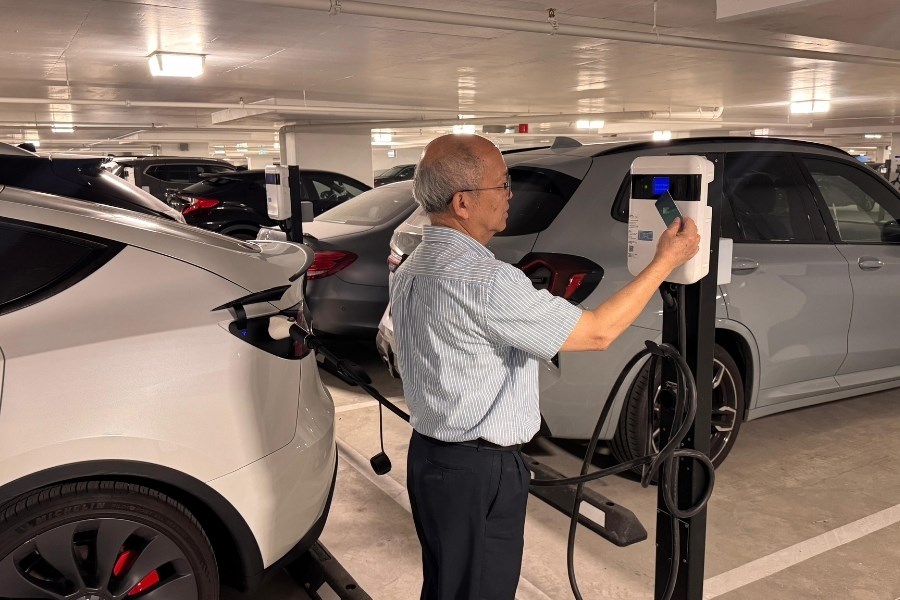
Canadian Municipalities Expanding Residential EV Charging Requirements

Edited by Ionna Brakeley
Charging & Ownership
Updated September 29, 2026
3 min read
1 linked source
Several Canadian municipalities are beginning to implement expanded residential EV charging requirements, although only two provinces currently have EV-ready legislation. This development creates a varied landscape of regulations across cities and towns, affecting new residential buildings and potentially influencing EV adoption rates.
Share this story
Why it matters
- ✓Increased residential charging infrastructure may enhance access for EV buyers, making it easier to own and operate electric vehicles.
- ✓The patchwork of regulations could lead to confusion for homeowners and builders regarding compliance and installation costs.
- ✓Limited provincial legislation may hinder uniform progress in EV adoption across Canada.
Overview of Changes in EV Charging Requirements
Canadian municipalities are gradually expanding their residential EV charging requirements, a move that reflects the growing recognition of electric vehicles (EVs) in the country. However, the implementation of these requirements is inconsistent, as only two provinces currently have EV-ready legislation in place. This results in a patchwork of rules that vary significantly from one city or town to another.
What Changed?
The recent trend among Canadian municipalities involves the introduction of new regulations that mandate the inclusion of EV charging infrastructure in residential developments. This change primarily targets new multi-unit residential buildings, requiring them to be equipped with the necessary electrical infrastructure to support EV charging stations. Despite these advancements, the lack of uniformity across provinces means that the specifics of these regulations can differ widely.
Why It Matters for Buyers and Owners
The expansion of residential EV charging requirements is significant for several reasons:
- Improved Access to Charging: As municipalities adopt these requirements, EV buyers may find it easier to charge their vehicles at home, which is crucial for the convenience of owning an electric vehicle.
- Potential Cost Implications: The inconsistency in regulations could lead to varying costs for homeowners and builders, as compliance with local laws may require different levels of investment in charging infrastructure.
- Impact on EV Adoption: The limited provincial legislation may slow down the overall adoption of EVs in Canada, as potential buyers might be deterred by the lack of charging options in their areas.
Key Details from Source Material
According to Electric Autonomy Canada, the current landscape of EV-ready legislation in Canada is fragmented. Only two provinces have established comprehensive laws to support the installation of EV charging infrastructure in residential areas. This lack of uniformity means that while some municipalities are making strides toward better charging access, others may lag behind, creating disparities in EV readiness across the country.
What to Watch Next
As municipalities continue to explore and implement residential EV charging requirements, it will be important to monitor how these regulations evolve. Key points to watch include:
- Legislative Developments: Keep an eye on any new provincial laws that may emerge to standardize EV charging requirements across Canada.
- Municipal Responses: Different municipalities may respond to the growing demand for EV infrastructure in various ways, so tracking local regulations will be essential for homeowners and builders.
- Impact on EV Market: Observing how these changes influence EV sales and ownership patterns will provide insight into the effectiveness of these regulations in promoting electric vehicle adoption.
In conclusion, while the expansion of residential EV charging requirements in Canadian municipalities is a positive step toward supporting electric vehicle ownership, the current patchwork of regulations presents challenges that need to be addressed. Buyers and owners should stay informed about local developments to navigate this evolving landscape effectively.
Sources
These are the documents and reports used to build this brief so readers can verify the story directly.
- Canadian municipalities slowly expanding residential EV charging requirements — Electric Autonomy CanadaMEDIA
Reporting notes
EV Signal briefs are written to explain the verified change first, then add the context EV buyers and owners need to understand cost, availability, charging access, eligibility, or ownership impact.
If details are still developing, we try to say what is confirmed, what comes from secondary reporting, and what readers should verify before acting.
Source mix
1 linked source
1 media
Reviewed from: Electric Autonomy Canada.
Comments
Log in with
Loading comments…
More in Charging

SOLARLAP Demonstrates Solar-Powered Travel Across Australia
Andrew Mangano has embarked on a journey around Australia using primarily solar energy to power his…
1h ago
EIA Projects 83 GW of Renewables and Storage in Next Year as Fossil Fuel Capacity Declines
The U.S. Energy Information Administration (EIA) forecasts that approximately 82.7 gigawatts (GW)…
1h ago
Maverick Construction to Lead NYC's Curbside EV Charging Network Installation
Maverick Corporation has been awarded a contract to oversee the design, construction, and…
7h ago
Electrify America Launches Retailer-Focused EV Charging Experience
Electrify America has introduced a new initiative called 'Powered By Electrify America' that allows…
7h ago