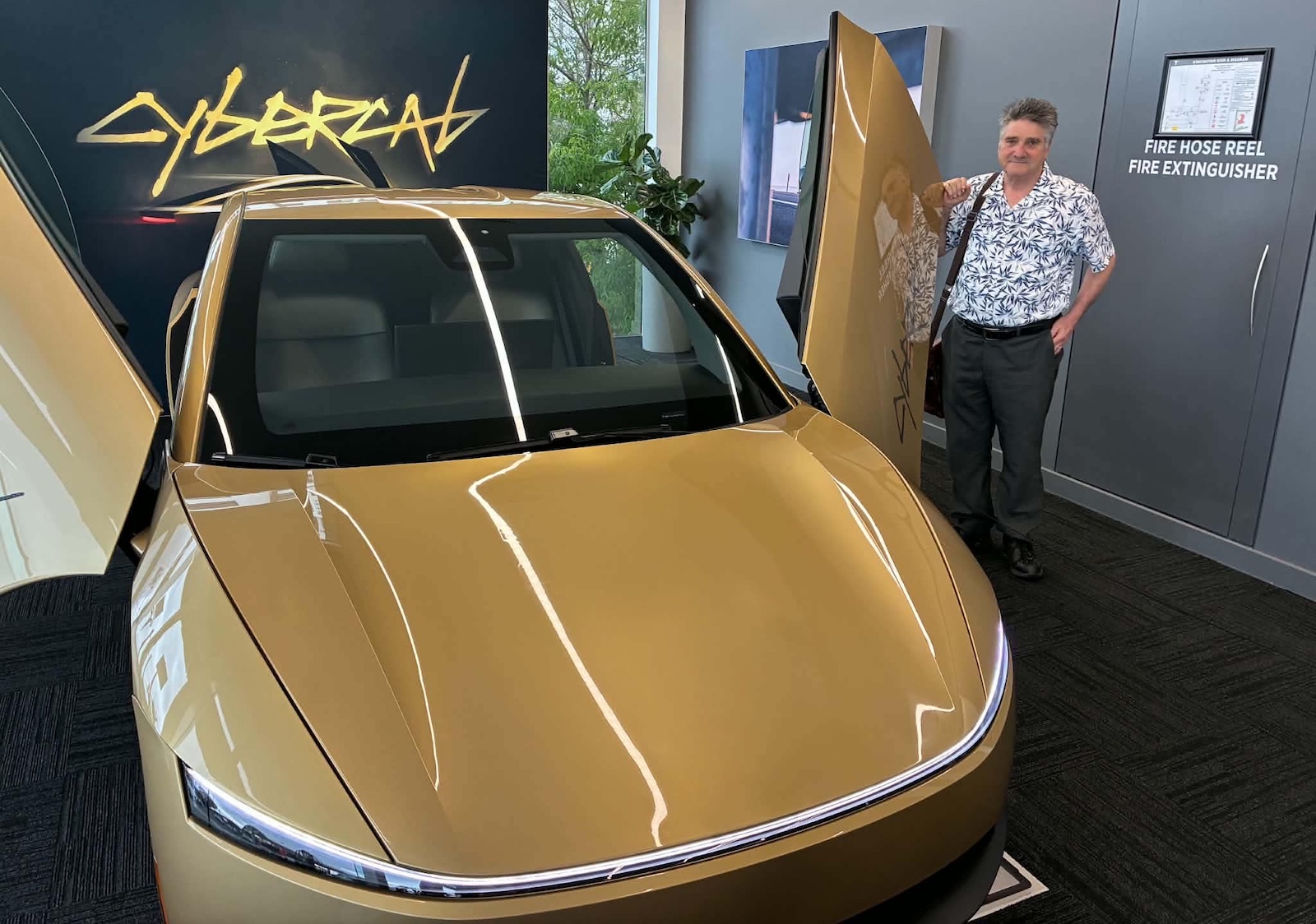
Cybercab Launches in Australia Amid Union Opposition

Edited by Ionna Brakeley
Charging & Ownership
Updated October 17, 2026
3 min read
1 linked source
The Cybercab, an autonomous vehicle, has officially launched in major Australian cities. This development has prompted the Transport Workers Union to collaborate with Uber in opposing the rise of autonomous vehicles, raising concerns about job security and safety in the transport sector. The full implications of this launch for EV buyers and owners remain to be seen.
Share this story
Why it matters
- ✓The introduction of the Cybercab may impact the availability of traditional taxi services, potentially affecting pricing and service options for consumers.
- ✓As autonomous vehicles become more prevalent, there may be changes in regulations that could influence the ownership and operation of EVs.
- ✓The pushback from transport unions could lead to delays in the widespread adoption of autonomous EVs, affecting market dynamics.
Cybercab Launches in Australia Amid Union Opposition
The Cybercab, a new autonomous vehicle, has officially landed in Australia, making its rounds in major cities. This launch has sparked significant controversy, particularly from the Transport Workers Union (TWU), which has allied with Uber to challenge the growing presence of autonomous vehicles in the transport sector.
What Changed
The Cybercab's introduction marks a significant step in the evolution of transportation in Australia. As it begins operations, the TWU is mobilizing against it, concerned about the implications for jobs and safety in the industry. The union's collaboration with Uber highlights a growing tension between traditional transport services and the rise of autonomous technology.
Why It Matters for Buyers and Owners
The arrival of the Cybercab could reshape the landscape for EV buyers and owners in several ways:
- Impact on Traditional Services: The Cybercab's deployment may lead to a reduction in traditional taxi services, which could alter pricing structures and service availability for consumers.
- Regulatory Changes: The pushback from unions may result in new regulations governing the use of autonomous vehicles, which could affect how EVs are owned and operated in the future.
- Market Dynamics: The ongoing debate over autonomous vehicles could influence consumer confidence and market dynamics, potentially affecting the resale value of traditional EVs.
Key Details from Source Material
According to CleanTechnica, the Cybercab is currently making its way through Australia’s major cities, which suggests a significant investment in infrastructure and technology to support its operations. The TWU's partnership with Uber indicates a concerted effort to protect jobs and ensure safety standards are maintained in the face of advancing technology. The union's actions could lead to legal challenges or lobbying for stricter regulations on autonomous vehicles.
What to Watch Next
As the situation develops, it will be important to monitor:
- Regulatory Responses: How local governments and transport authorities respond to the Cybercab's launch and the union's opposition.
- Public Sentiment: Consumer reactions to the Cybercab and its impact on traditional transport services.
- Further Developments from Unions: Any new initiatives or actions taken by the TWU and other stakeholders in response to the Cybercab's operations.
In conclusion, while the Cybercab's launch represents a significant technological advancement, it also raises important questions about the future of transportation in Australia and the potential consequences for EV buyers and owners.
Sources
These are the documents and reports used to build this brief so readers can verify the story directly.
- The Cybercab Has Landed In Australia — Transport Unions Gear Up To Fight — CleanTechnicaMEDIA
Reporting notes
EV Signal briefs are written to explain the verified change first, then add the context EV buyers and owners need to understand cost, availability, charging access, eligibility, or ownership impact.
If details are still developing, we try to say what is confirmed, what comes from secondary reporting, and what readers should verify before acting.
Source mix
1 linked source
1 media
Reviewed from: CleanTechnica.
Newsletter
Weekly EV signal. No spam.
Comments
Log in with
Loading comments…
More in Ownership
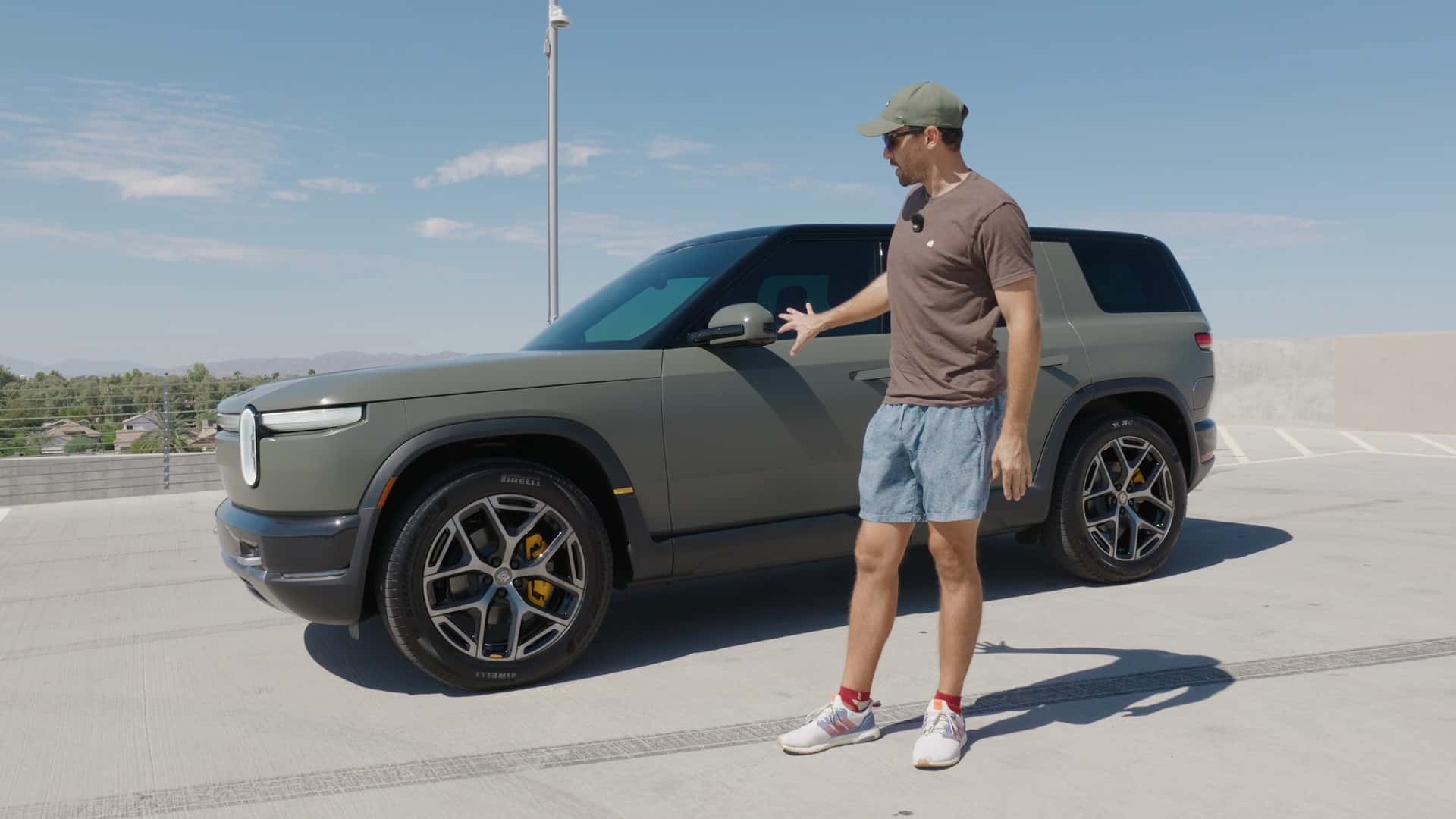
Rivian R2 Owner Reviews Comfort and Efficiency After Two Months
A Rivian R2 owner has shared insights after two months of ownership, highlighting the vehicle's…
1h ago

Growth in African E-Mobility Sector Highlighted at Africa E-Mobility Week & Forum
The 5th Africa E-Mobility Week & Forum recently took place in Stellenbosch, South Africa, marking…
1h ago
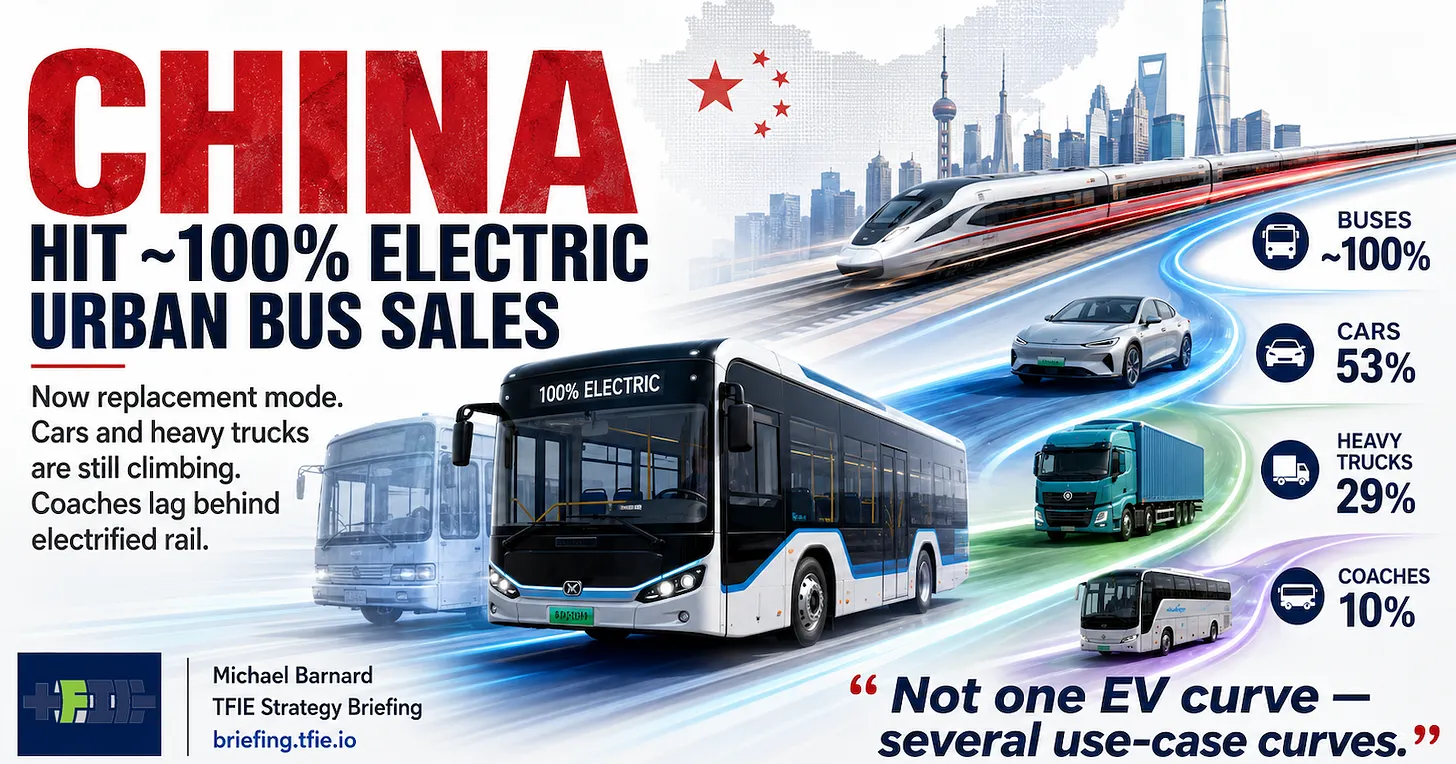
China's EV Transition Involves Four Distinct Changes
China's electric vehicle (EV) transition encompasses four different aspects, primarily focusing on…
1h ago
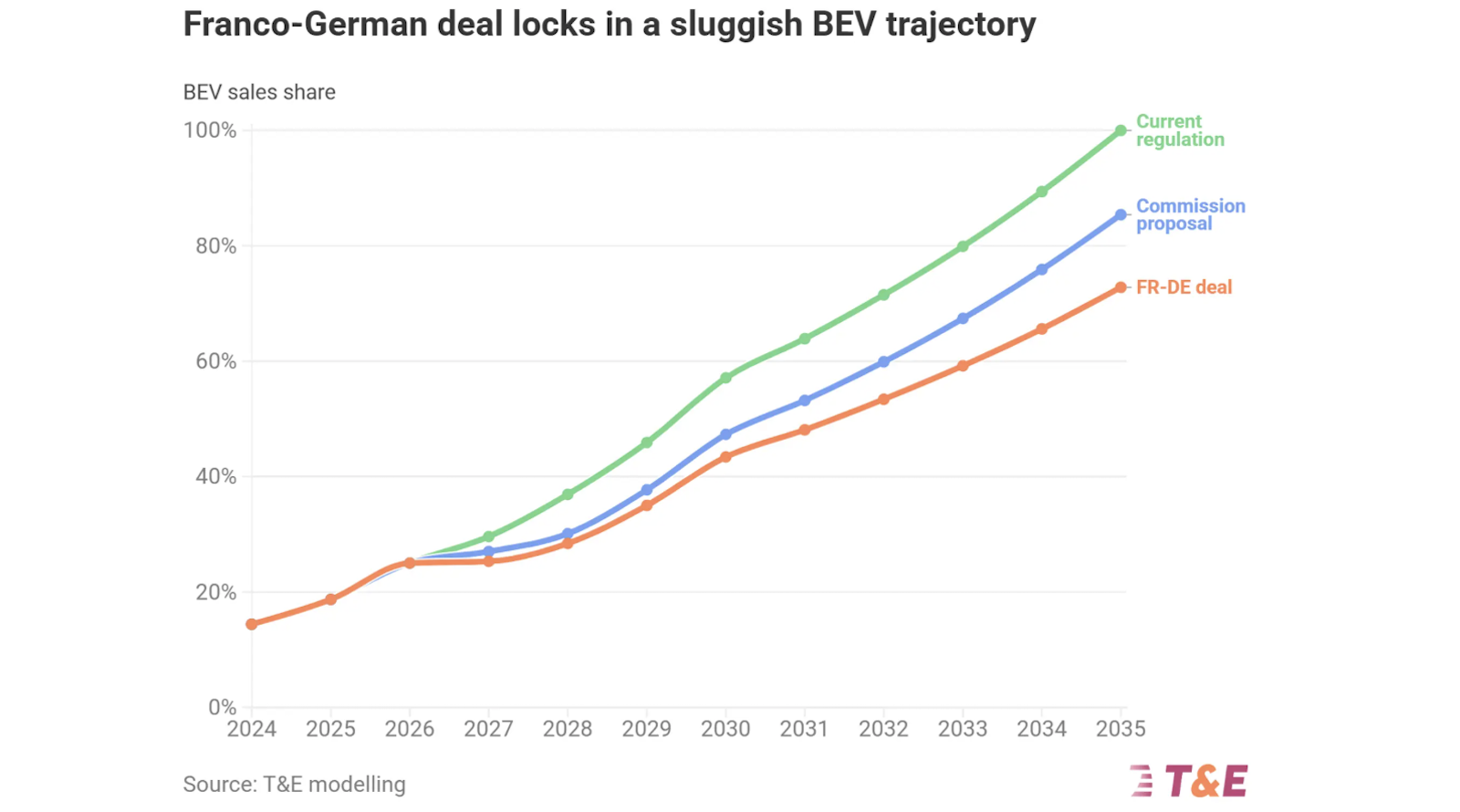
Franco-German Car Deal Weakens EU Climate Standards
The recent agreement between France and Germany to relax the EU's car CO₂ standards and IAA…
13h ago