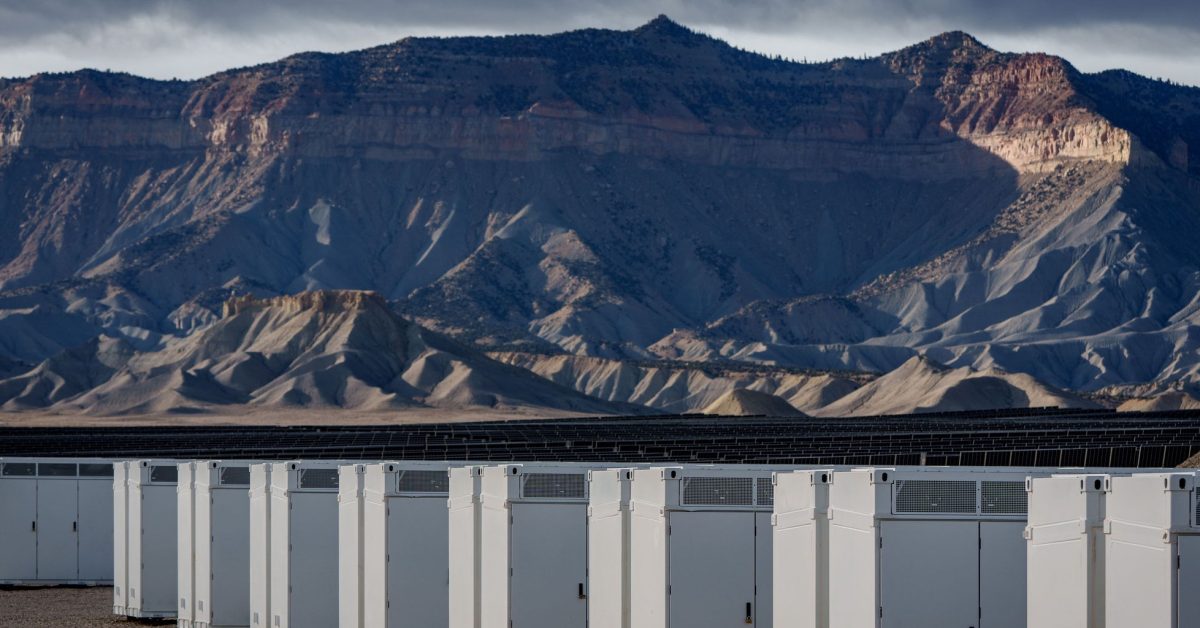
US Solar Capacity Reaches Milestone of Powering 50 Million Homes
Updated September 10, 2026
3 min read
1 linked source
As of Q2 2026, the United States has installed enough solar capacity to generate clean electricity for over 50 million homes, representing more than one-third of all households in the country. Notably, this growth has been led by states traditionally aligned with Republican politics. While this achievement marks significant progress in renewable energy, the implications for EV buyers and owners are still unfolding.
Share this story
Why it matters
- ✓Increased solar capacity may lead to lower electricity costs, benefiting EV owners who rely on home charging.
- ✓The expansion of solar power can enhance the availability of charging stations, particularly in red states where growth has been significant.
- ✓With more homes powered by solar, the overall grid may become more stable, improving day-to-day charging access for EV users.
Reporting notes
EV Signal briefs are written to explain the verified change first, then add the context EV buyers and owners need to understand cost, availability, charging access, eligibility, or ownership impact.
If details are still developing, we try to say what is confirmed, what comes from secondary reporting, and what readers should verify before acting.
Source mix
1 linked source
1 media
Reviewed from: Electrek.
US Solar Capacity Reaches Milestone of Powering 50 Million Homes
As of the second quarter of 2026, the United States has achieved a significant milestone in solar energy production, with enough installed capacity to generate clean electricity equivalent to that used by more than 50 million homes. This remarkable achievement accounts for over one-third of all households in the country, showcasing the rapid growth of renewable energy in the US.
What Changed?
The surge in solar capacity is particularly noteworthy as it has been led by states that are often categorized as 'red states'. This shift indicates a growing acceptance and adoption of renewable energy solutions across political lines, challenging the notion that solar energy is primarily a concern for more liberal states. The increase in solar installations is a clear indicator of the changing energy landscape in the US, driven by both economic factors and a growing awareness of climate change.
Why It Matters for Buyers and Owners
For electric vehicle (EV) buyers and owners, this milestone has several implications:
- Cost Benefits: With more solar energy being generated, there is potential for reduced electricity costs. This is particularly beneficial for EV owners who charge their vehicles at home, as lower electricity prices can decrease overall ownership costs.
- Charging Infrastructure: The growth in solar capacity may lead to an increase in the number of charging stations powered by renewable energy. This is especially relevant in states that have seen significant solar growth, enhancing the availability of charging options for EV users.
- Grid Stability: An increase in solar energy can contribute to a more stable electrical grid. A stable grid is crucial for EV owners, as it ensures reliable access to charging stations and reduces the likelihood of power outages that could disrupt charging schedules.
Key Details from Source Material
According to Electrek, the US solar industry has made impressive strides, achieving this milestone in Q2 2026. The report highlights that the growth in solar capacity is not just a trend in traditionally liberal states but is also being embraced by red states, indicating a broader acceptance of renewable energy solutions. This shift is significant as it reflects changing attitudes towards solar energy and its role in the future of energy consumption in the US.
What to Watch Next
As the solar industry continues to grow, it will be important to monitor how this expansion affects electricity prices and the availability of charging infrastructure for EVs. Additionally, the political landscape may influence future policies and incentives related to renewable energy, which could further impact EV ownership and charging access. Keep an eye on developments in state-level energy policies and how they may facilitate or hinder the growth of solar power and its integration with electric vehicle infrastructure.
Sources
These are the documents and reports used to build this brief so readers can verify the story directly.
- US solar can now power 50M homes – and red states led the boom — ElectrekMEDIA
Comments
Log in with
Loading comments…
More in Charging
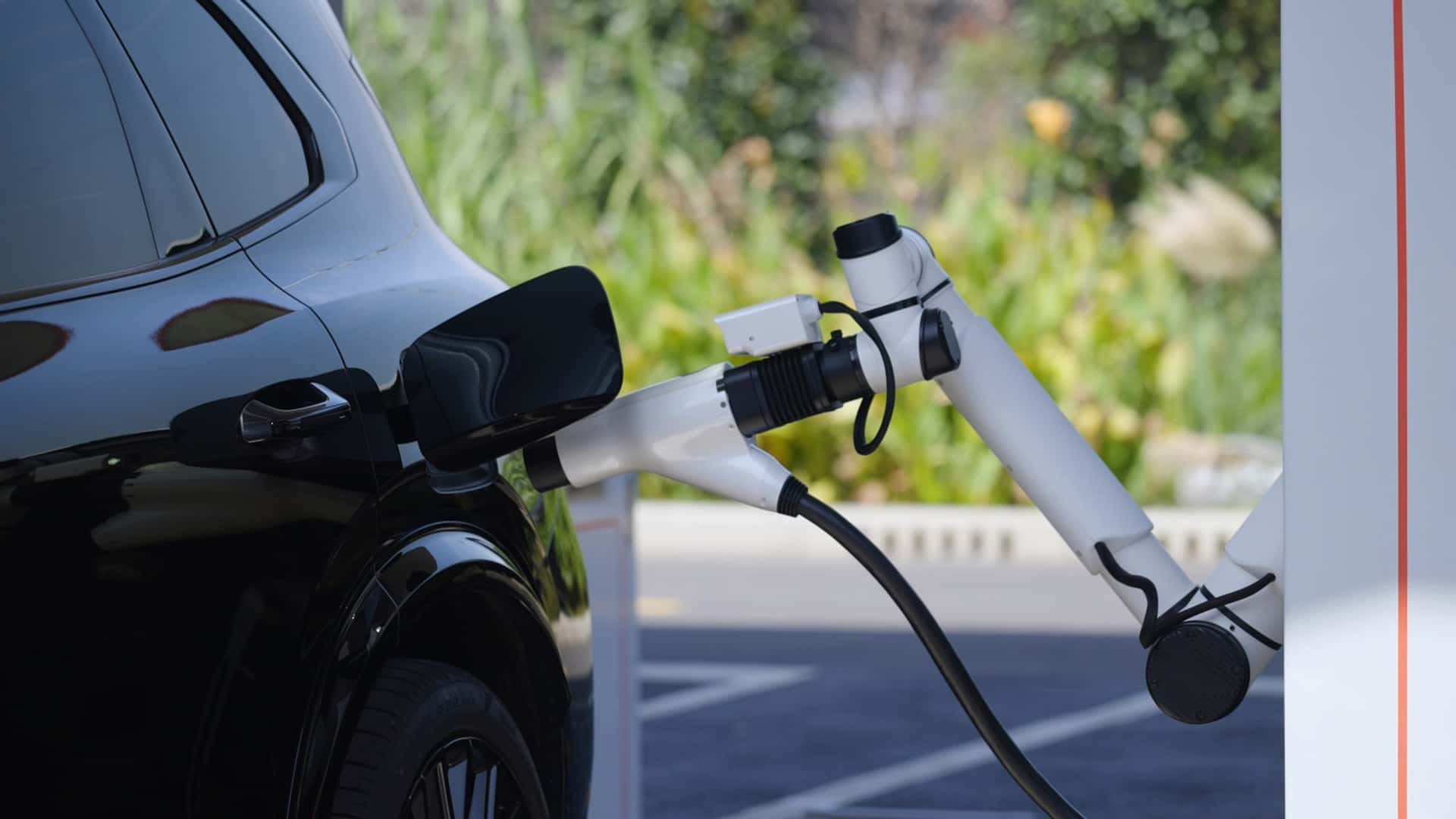
Geely Unveils 2.25 Megawatt EV Charger, Outpacing Competitors
Geely has introduced a new electric vehicle (EV) charger with an impressive output of 2.25…
17h ago
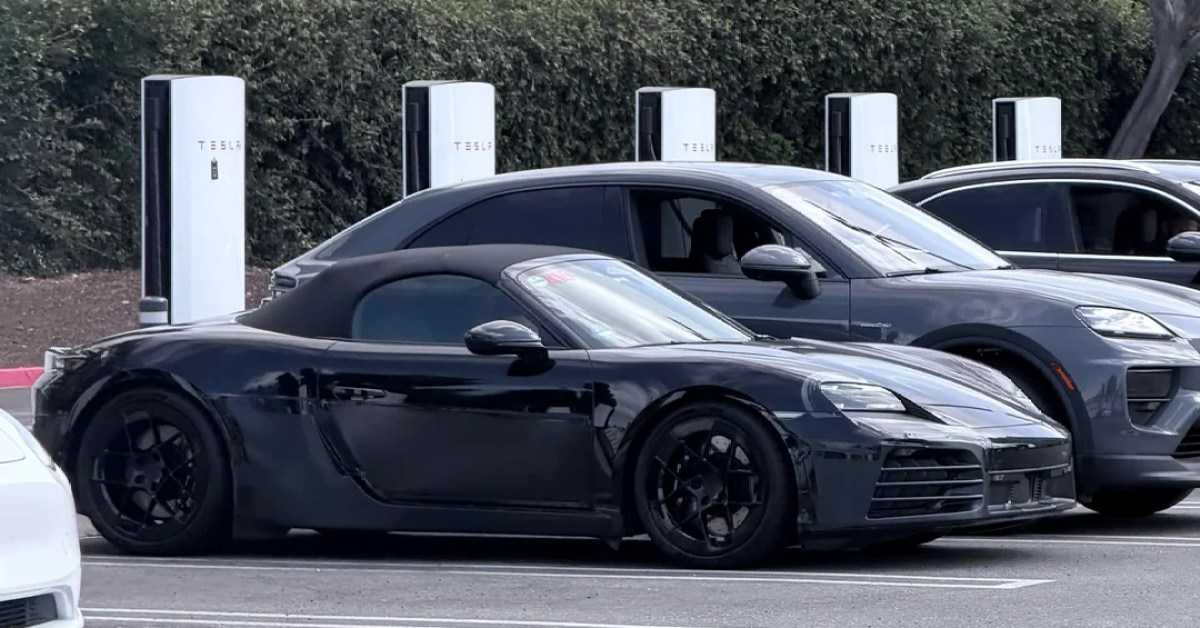
Electric Porsche Boxster Spotted Charging at Tesla Supercharger
An electric version of the Porsche Boxster has been observed charging at a Tesla Supercharger…
1d ago
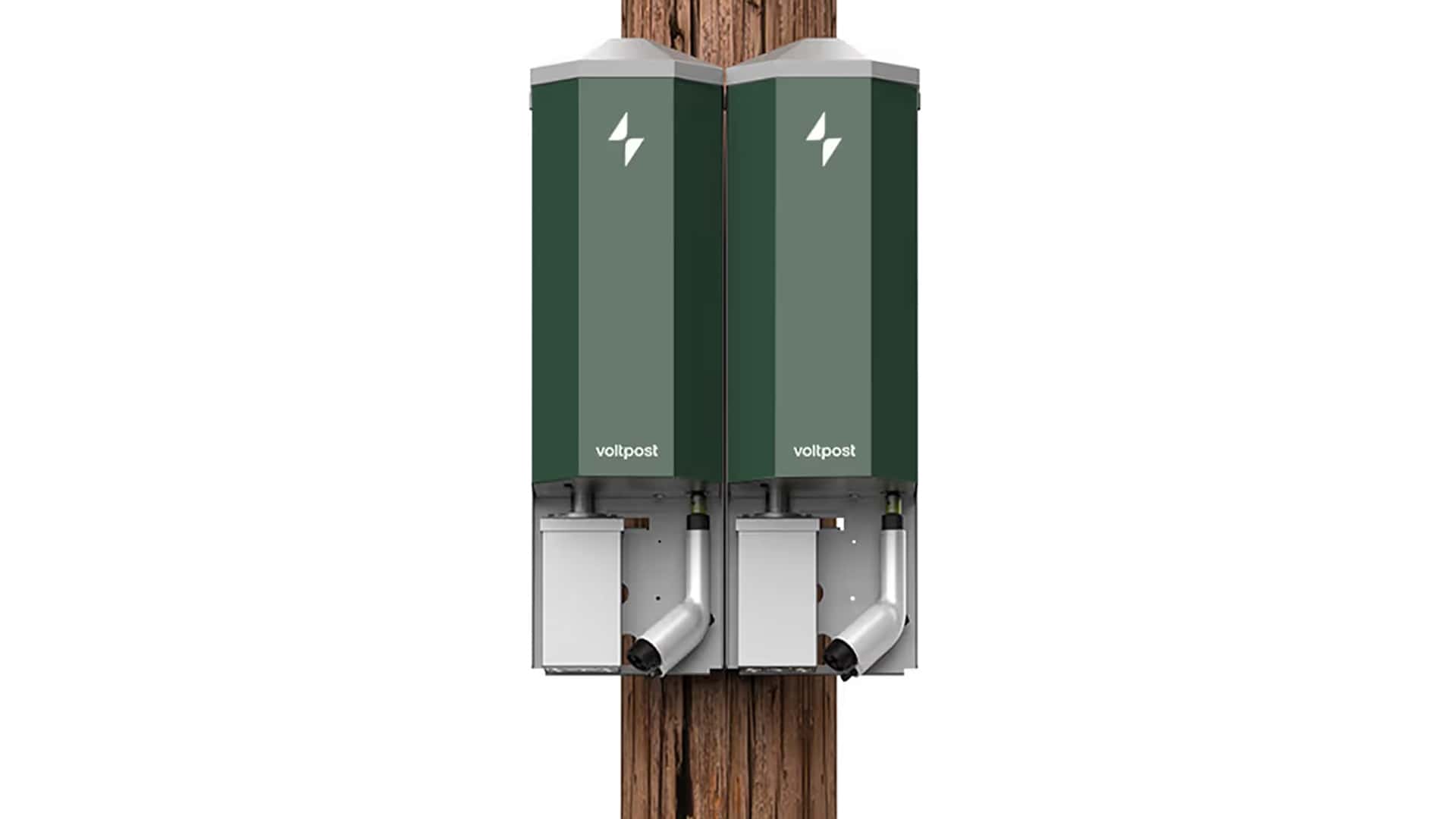
Voltpost Expands Lamppost EV Chargers with Free Top-Ups in Brooklyn
Voltpost has launched over a dozen new lamppost-mounted EV charging ports across New York,…
1d ago

Geely Introduces 2.2MW Charger for 4-Minute EV Charging
Geely has announced a new electric car battery and charging system that enables charging times of…
2d ago