Canada Allocates $587 Million for EV Chargers in 2026 Budget
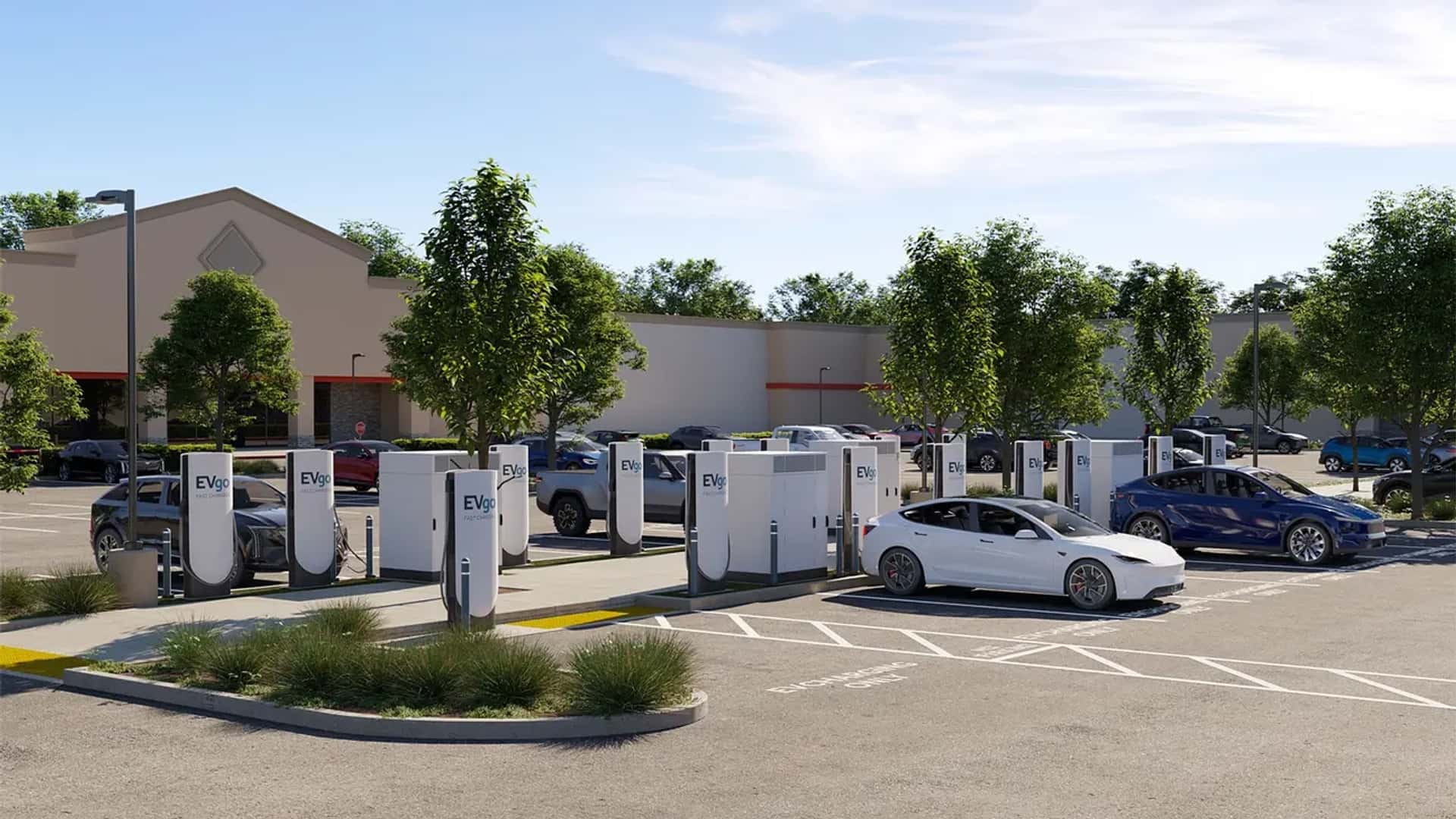
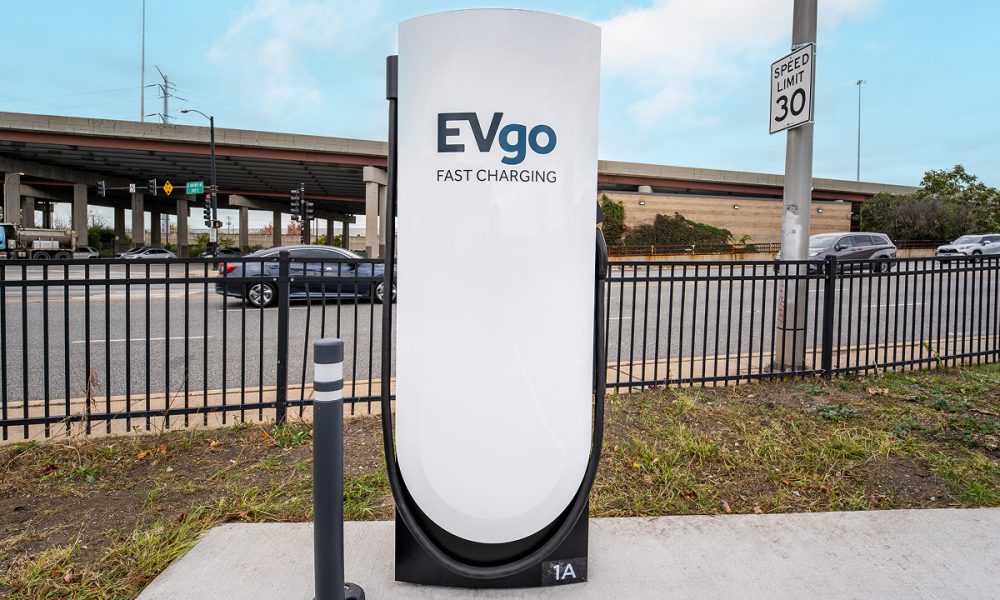
Canada's 2026 federal budget proposes $587 million to renew the Zero-Emission Vehicle Infrastructure Program (ZEVIP), which aims to finance over 55,000 new EV chargers by 2028. The funding will cover up to 50% of project costs, with increased support for Indigenous-led projects. However, there is no new funding for medium- and heavy-duty electric vehicles or battery recycling.

Key takeaways
30-second read- 1The funding aims to significantly increase the number of public EV chargers, enhancing access for EV owners and potential buyers.
- 2Support for Indigenous-led projects may improve charging infrastructure in underserved communities, promoting wider EV adoption.
- 3The multi-year funding commitment provides stability for the charging industry, potentially leading to better planning and implementation of charging networks.
Confirmed
No official source linked yet
Reported
Secondary reporting: Electric Autonomy Canada
Verify yourself
Eligibility, local prices and dates for your car, state or utility

Canada's 2026 federal budget has allocated $587 million to renew the Zero-Emission Vehicle Infrastructure Program (ZEVIP), which is expected to finance the installation of over 55,000 new electric vehicle (EV) chargers by 2028. This funding will cover up to 50% of project costs, and for Indigenous-led projects, it can cover up to 75%, with a maximum cap of $2 million per project. The renewed ZEVIP program is crucial as it was set to expire next year, and this extension will provide a much-needed boost to public EV charging infrastructure.
The budget also includes nearly $4 billion over the next ten years to enhance Canada's electrical grid, which is essential for supporting the increased demand for EV charging. This investment aims to modernize the grid and improve its capacity to handle the growing number of EVs on the road. The government has indicated that it will focus on areas where infrastructure is most needed, particularly in urban centers and along major travel corridors.
Despite this positive news, there are some disappointments noted by industry leaders. Notably, there is no additional funding for medium- and heavy-duty electric vehicles, nor for battery recycling initiatives. The previous Incentives for Medium- and Heavy-Duty Zero-Emission Vehicles (iMHZEV) program ended in March 2026 without a replacement, which could impact the transition to electric options in commercial sectors.
Overall, the budget's focus on expanding charging infrastructure and upgrading the electrical grid is a significant step towards supporting the shift to electric vehicles in Canada, although some areas still require attention.
Buying guide: Best Level 2 Home EV Charger (2026): How to Choose
Sources
1 media- [1]Federal budget pairs $587-million EV charger funding with $4-billion grid pushMedia
Electric Autonomy Canada · electricautonomy.ca · published Nov 6
Newsletter
Weekly EV signal. No spam.
Comments
Log in with
Loading comments…