Navitas Unveils 2,300 V SiC Module for Charging and Storage
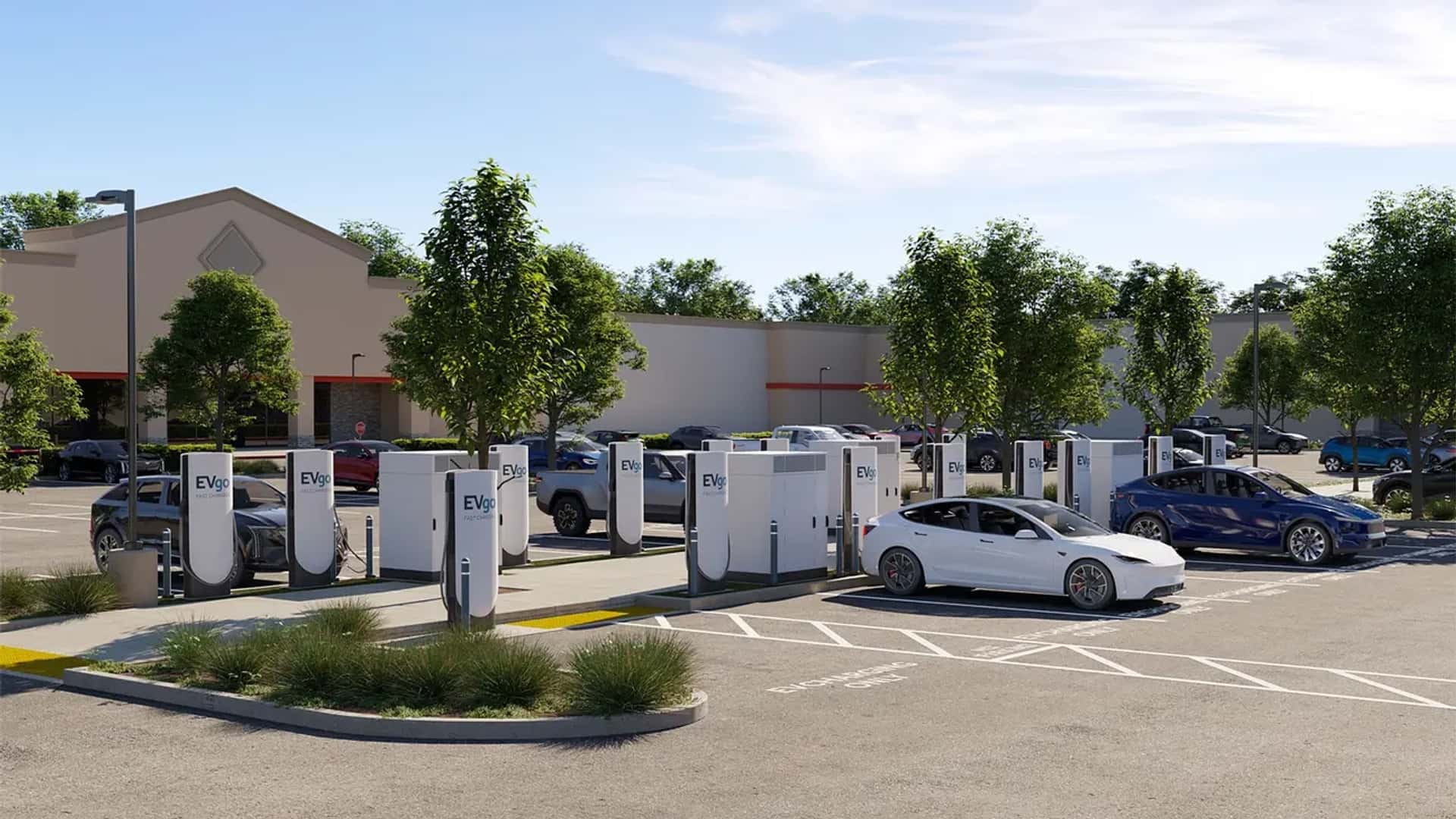
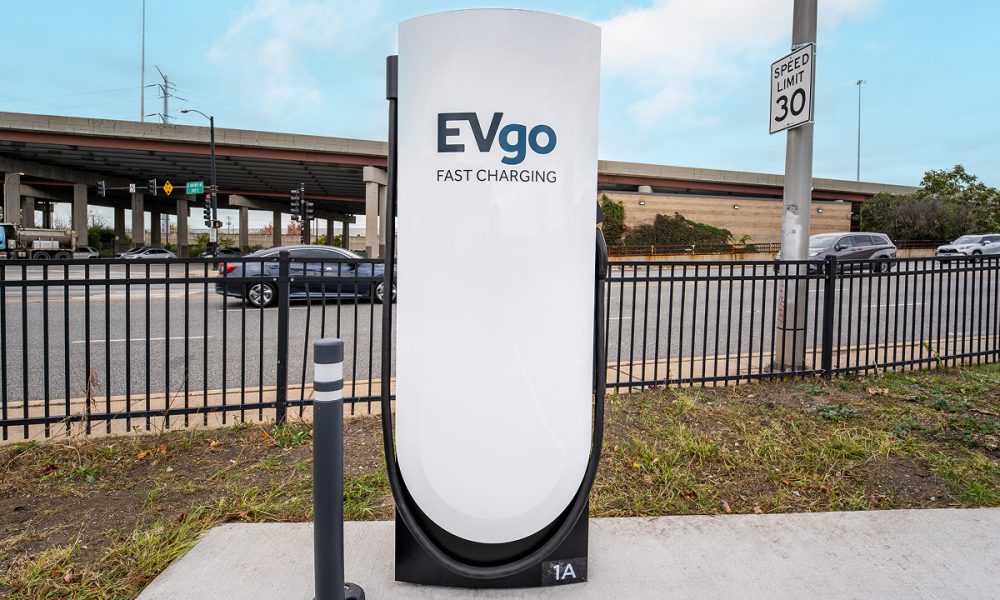
Navitas Semiconductor has launched a new family of 2,300 V full-bridge silicon carbide (SiC) power modules. These modules are designed to improve efficiency and power density in applications such as solid-state transformers, grid-scale battery storage, and solar inverters. This development is significant for the EV charging infrastructure and renewable energy sectors.

Key takeaways
30-second read- 1Improves efficiency and power density for charging solutions, potentially reducing charging times for EVs.
- 2Enhances grid-scale battery storage capabilities, supporting renewable energy integration.
- 3May lead to lower ownership costs for EV owners through improved technology.
Confirmed
No official source linked yet
Reported
Secondary reporting: Charged EVs
Verify yourself
Eligibility, local prices and dates for your car, state or utility

Navitas Launches 2,300 V SiC Module
Navitas Semiconductor has introduced a groundbreaking family of 2,300 V full-bridge silicon carbide (SiC) power modules. This innovation is set to enhance the efficiency and power density of various applications, including solid-state transformers, grid-scale battery storage, and solar inverters.
What Changed
The launch of the 2,300 V SiC module represents a significant advancement in power electronics technology. By utilizing silicon carbide, these modules can operate at higher voltages and temperatures, which translates to improved performance in high-power applications. This is particularly relevant for megawatt charging stations and large-scale energy storage systems that are increasingly vital for the integration of renewable energy sources.
Why It Matters for Buyers and Owners
The introduction of these SiC modules is crucial for the EV market and renewable energy sectors for several reasons:
- Efficiency Gains: The enhanced efficiency can lead to faster charging times for electric vehicles, making them more convenient for users.
- Support for Renewable Energy: Improved grid-scale battery storage capabilities will facilitate better management of renewable energy, potentially leading to more stable energy prices and availability.
- Cost Implications: As technology improves and becomes more efficient, there is potential for reduced costs in the long run for both consumers and energy providers.
Key Details from Source Material
According to Charged EVs, Navitas's new SiC modules are designed to meet the growing demand for efficient power solutions in the EV and renewable energy markets. The modules are expected to play a pivotal role in the development of solid-state transformers and solar inverters, which are essential for modern energy infrastructure.
What to Watch Next
As this technology rolls out, it will be important to monitor how quickly these modules are adopted in charging stations and energy storage systems. Additionally, the impact on charging times and costs for consumers will be key indicators of the technology's success in the market. Further developments from Navitas and other competitors in the SiC space will also be worth following, as they may influence the overall landscape of EV charging and renewable energy integration.
Buying guide: Best Level 2 Home EV Charger (2026): How to Choose
Sources
1 media- [1]Navitas launches 2,300 V full-bridge SiC module for megawatt charging and grid storageMedia
Charged EVs · chargedevs.com · published Nov 5
Newsletter
Weekly EV signal. No spam.
Comments
Log in with
Loading comments…