US Senate Proposes New Permitting Framework for Energy Projects

Edited by Ionna Brakeley
Charging & Ownership
Updated October 3, 2026
3 min read
1 linked source
The US Senate has introduced a new bill aimed at overhauling the permitting process for energy projects, which could significantly expedite the approval timeline. This change primarily affects energy developers and stakeholders in the renewable energy sector, though its implications for electric vehicle (EV) infrastructure remain to be seen. The bill's potential impact on EV charging access and related projects is still uncertain.
Share this story
Why it matters
- ✓Faster permitting could lead to quicker deployment of EV charging stations, improving access for EV owners.
- ✓Streamlined processes may reduce costs associated with energy project development, potentially lowering ownership costs for EVs.
- ✓Increased renewable energy projects could enhance the sustainability of the electricity grid, benefiting EV users.
US Senate Proposes New Permitting Framework for Energy Projects
The US Senate has taken a significant step towards reforming the permitting process for energy projects with a new bill aimed at streamlining approvals. This legislative move, spearheaded by Senator Sheldon Whitehouse of Rhode Island, seeks to expedite the timeline for project approvals, which has traditionally been a bottleneck for energy development in the United States.
What Changed
The proposed bill introduces a new framework for permitting energy projects, which could fundamentally alter how quickly developers can bring renewable energy initiatives to fruition. While the specifics of the bill are still being debated, the intention is to reduce bureaucratic delays that have hindered the growth of renewable energy infrastructure, including projects related to electric vehicle (EV) charging stations.
Why It Matters for Buyers/Owners
The implications of this new permitting framework could be significant for EV buyers and owners:
- Faster Deployment of Charging Stations: A streamlined permitting process could lead to quicker installation of EV charging infrastructure, making it easier for consumers to access charging facilities.
- Cost Reduction: By reducing the time and complexity involved in project approvals, developers may face lower costs, which could be passed on to consumers in the form of reduced prices for EVs and charging services.
- Enhanced Sustainability: As more renewable energy projects come online, the overall sustainability of the electricity grid may improve, providing cleaner energy for EVs and contributing to lower ownership costs over time.
Key Details from Source Material
According to CleanTechnica, Senator Whitehouse has been a vocal advocate for reforming the energy permitting process, emphasizing the need for a more efficient system that can keep pace with the growing demand for renewable energy solutions. The proposed changes are expected to address the lengthy and often cumbersome approval processes that have historically delayed energy projects, particularly those aimed at supporting the transition to electric vehicles.
While the bill's passage is not guaranteed, its introduction marks a critical step in addressing the regulatory challenges that have long plagued energy development in the US. The potential benefits for EV infrastructure are clear, but the exact outcomes will depend on the final details of the legislation and its implementation.
What to Watch Next
As the Senate continues to discuss the proposed bill, stakeholders in the EV industry and renewable energy sectors should keep an eye on:
- Legislative Progress: Watch for updates on the bill's status and any amendments that may be proposed during discussions.
- Impact Assessments: Look for analyses from industry experts on how the new permitting framework could specifically affect EV charging infrastructure and overall market dynamics.
- Implementation Timeline: If the bill becomes law, understanding the timeline for implementation will be crucial for developers and consumers alike.
In conclusion, while the proposed permitting framework has the potential to significantly impact the energy landscape in the US, its direct effects on EV buyers and owners will depend on how quickly and effectively these changes are enacted.
Sources
These are the documents and reports used to build this brief so readers can verify the story directly.
- US Senate Proposes New Permitting Framework. Should It Become Law? — CleanTechnicaMEDIA
Reporting notes
EV Signal briefs are written to explain the verified change first, then add the context EV buyers and owners need to understand cost, availability, charging access, eligibility, or ownership impact.
If details are still developing, we try to say what is confirmed, what comes from secondary reporting, and what readers should verify before acting.
Source mix
1 linked source
1 media
Reviewed from: CleanTechnica.
Comments
Log in with
Loading comments…
More in Charging
SEIA Supports Governor Newsom's Clean Energy Legislative Actions
Governor Gavin Newsom of California has signed several clean energy bills aimed at enhancing…
1h ago

FERC Rejects Cost-Recovery Plan for Centralia Coal Plant
The Federal Energy Regulatory Commission (FERC) has rejected TransAlta's proposed cost-recovery…
1h ago
World's Tallest Wind Turbine Reaches 1,197 Feet in Germany
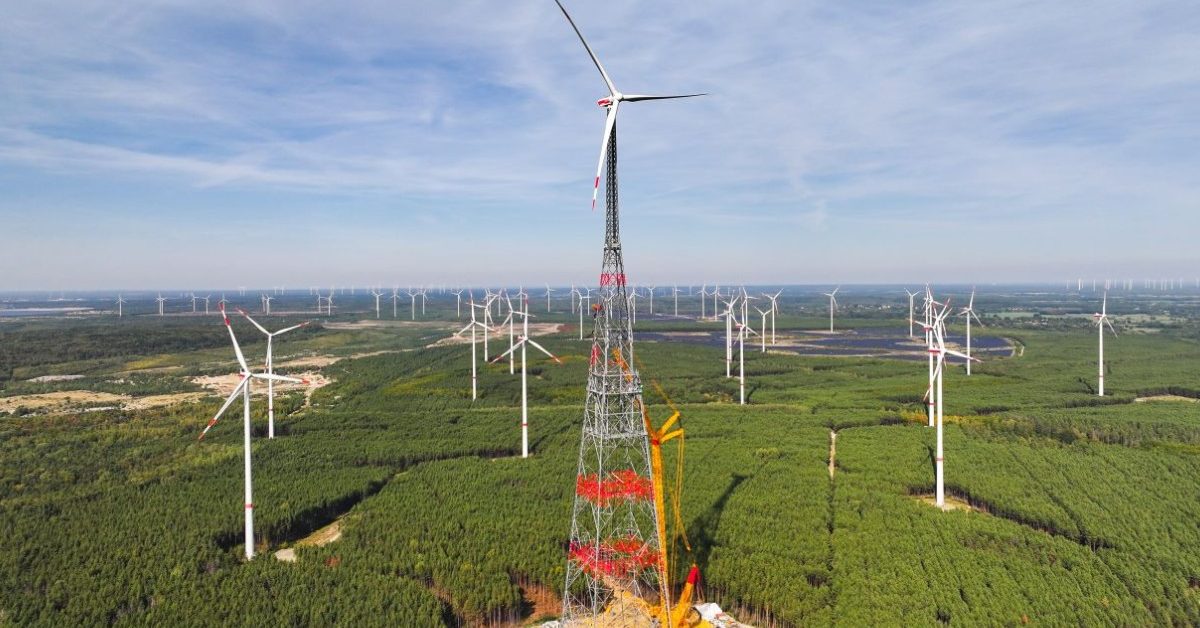
The world's tallest wind turbine has officially reached a height of 1,197 feet in Germany. Its…
1h ago

Africa's Solar Energy Sector Gains Momentum
Africa is becoming a significant player in the solar energy market, particularly in distributed…
7h ago