
FERC Rejects Cost-Recovery Plan for Centralia Coal Plant

Edited by Ionna Brakeley
Charging & Ownership
Updated October 3, 2026
3 min read
1 linked source
The Federal Energy Regulatory Commission (FERC) has rejected TransAlta's proposed cost-recovery plan for the Centralia coal plant. This decision aims to protect Northwest ratepayers from the financial burdens associated with the retired coal facility. The ruling is part of ongoing efforts to transition away from coal and its associated costs.
Share this story
Why it matters
- ✓The rejection of the cost-recovery plan may help stabilize energy prices for EV owners in the Northwest by preventing additional costs from being passed on to consumers.
- ✓As the region moves away from coal, there may be increased investment in renewable energy sources, which could enhance charging infrastructure and availability for electric vehicles.
- ✓This decision aligns with broader environmental goals, potentially leading to cleaner energy sources that benefit EV users in terms of sustainability.
FERC Rejects Cost-Recovery Plan for Centralia Coal Plant
The Federal Energy Regulatory Commission (FERC) has officially rejected TransAlta's proposed cost-recovery plan for the Centralia coal plant. This significant ruling is seen as a protective measure for Northwest ratepayers against the financial implications of maintaining a retired coal facility. The decision is a critical step in the ongoing transition away from coal energy, reflecting a broader commitment to cleaner energy sources.
What Changed
FERC's rejection of the cost-recovery plan means that TransAlta will not be able to recover costs associated with the Centralia coal plant from consumers. This plan was part of an effort by the Trump administration to support the financially struggling coal industry, which has been facing increasing competition from renewable energy sources. The decision is expected to prevent additional financial burdens from being placed on ratepayers in the Northwest region.
Why It Matters for Buyers/Owners
-
Stabilizing Energy Prices: By rejecting the cost-recovery plan, FERC aims to prevent extra costs from being passed on to consumers, which could help stabilize energy prices for electric vehicle (EV) owners in the Northwest.
-
Investment in Renewables: The decision may encourage further investment in renewable energy infrastructure, potentially enhancing the availability and accessibility of charging stations for EV owners.
-
Environmental Impact: The move away from coal aligns with environmental goals, which could lead to cleaner energy sources. This transition is beneficial for EV users who prioritize sustainability and reduced carbon footprints.
Key Details from Source Material
According to CleanTechnica, the rejection of the cost-recovery plan is a response to ongoing efforts to phase out coal energy in favor of more sustainable options. The ruling is viewed positively by environmental advocates, including the Sierra Club, which has been vocal about the need to protect consumers from the costs associated with outdated coal plants.
What to Watch Next
As the energy landscape continues to evolve, it will be important to monitor how this decision impacts future energy policies and investments in renewable energy. Stakeholders will likely keep a close eye on developments regarding the Centralia coal plant and any potential appeals or alternative plans proposed by TransAlta. Additionally, the broader implications for energy pricing and infrastructure development in the Northwest will be crucial for EV buyers and owners moving forward.
Sources
These are the documents and reports used to build this brief so readers can verify the story directly.
Reporting notes
EV Signal briefs are written to explain the verified change first, then add the context EV buyers and owners need to understand cost, availability, charging access, eligibility, or ownership impact.
If details are still developing, we try to say what is confirmed, what comes from secondary reporting, and what readers should verify before acting.
Source mix
1 linked source
1 media
Reviewed from: CleanTechnica.
Comments
Log in with
Loading comments…
More in Charging
SEIA Supports Governor Newsom's Clean Energy Legislative Actions
Governor Gavin Newsom of California has signed several clean energy bills aimed at enhancing…
1h ago
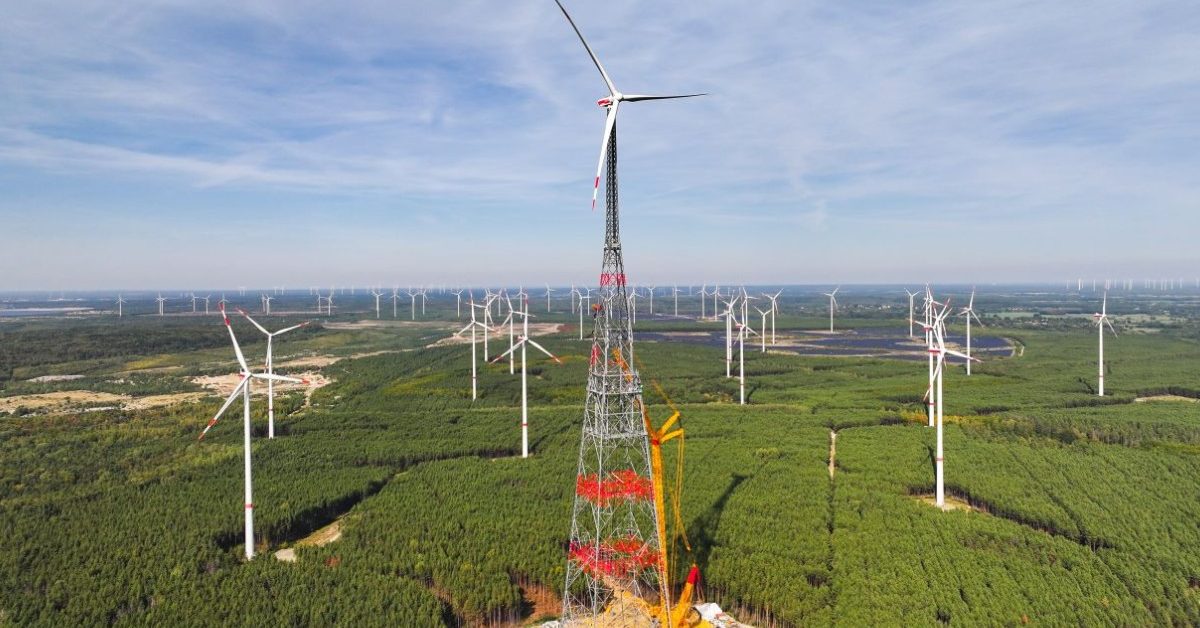
World's Tallest Wind Turbine Reaches 1,197 Feet in Germany
The world's tallest wind turbine has officially reached a height of 1,197 feet in Germany. Its…
1h ago
US Senate Proposes New Permitting Framework for Energy Projects
The US Senate has introduced a new bill aimed at overhauling the permitting process for energy…
1h ago
Africa's Solar Energy Sector Gains Momentum
Africa is becoming a significant player in the solar energy market, particularly in distributed…
7h ago