
US Gas Plant Plans Increase by 44% Amid Rising Demand

Edited by Ionna Brakeley
Charging & Ownership
Updated October 7, 2026
3 min read
1 linked source
The United States has seen a 44% increase in proposed gas power plant plans over the last eight months, driven largely by the growing demand from data centers. In contrast, plans for new wind power projects have decreased, indicating a shift in energy strategy that could impact renewable energy development.
Share this story
Why it matters
- ✓Increased reliance on gas power could lead to higher electricity prices, affecting the cost of charging EVs.
- ✓A slowdown in wind power development may limit the availability of renewable energy options for EV owners.
- ✓Changes in energy infrastructure could impact the accessibility and reliability of charging stations powered by renewable sources.
US Gas Plant Plans Increase by 44%
The United States has experienced a significant increase in proposed gas power plant plans, with a 44% rise reported in just eight months. This surge is largely attributed to the growing demand for energy from data centers, which are becoming increasingly prevalent in the digital economy. In stark contrast, plans for new wind power projects have been shrinking, highlighting a potential shift in the energy landscape.
What Changed
According to a report from Electrek, the proposed grid-connected gas capacity has nearly tripled since early 2023. This dramatic increase in gas plant plans reflects a broader trend where energy demands, particularly from data centers, are outpacing the development of renewable energy sources. As a result, the energy mix in the U.S. is becoming more reliant on fossil fuels, raising concerns about the long-term implications for sustainability and energy prices.
Why It Matters for Buyers and Owners
The increase in gas power plant plans could have several implications for electric vehicle (EV) buyers and owners:
- Electricity Prices: As the U.S. leans more on gas power, there is a potential for rising electricity prices, which could directly affect the cost of charging EVs at home or at public charging stations.
- Renewable Energy Availability: With a decrease in wind power projects, the availability of renewable energy options may be limited. This could impact EV owners who prefer to charge their vehicles using green energy sources.
- Charging Infrastructure: The shift in energy infrastructure could affect the accessibility and reliability of charging stations that are powered by renewable energy, potentially making it harder for EV owners to find sustainable charging options.
Key Details from Source Material
Electrek's report highlights that the surge in gas power plant proposals is primarily driven by the energy demands of data centers, which require substantial amounts of electricity to operate. As these facilities proliferate, they are increasingly influencing energy policy and infrastructure development. The report also notes that the plans for new wind power are decreasing, suggesting that the transition to renewable energy may not be keeping pace with the demand from these energy-intensive operations.
What to Watch Next
As the situation develops, it will be important to monitor how these changes in energy strategy affect both the pricing and availability of electricity for EV charging. Stakeholders in the renewable energy sector may respond to the growing demand for gas by advocating for more investment in sustainable energy solutions. Additionally, any policy changes or new regulations aimed at balancing gas and renewable energy development will be crucial to watch, as they could significantly impact the future landscape for EV owners and buyers.
In conclusion, while the increase in gas power plant plans may address immediate energy demands, it raises important questions about the long-term sustainability of the energy grid and its implications for electric vehicle users.
Sources
These are the documents and reports used to build this brief so readers can verify the story directly.
- US gas plant plans jump 44% in just 8 months – here’s why — ElectrekMEDIA
Reporting notes
EV Signal briefs are written to explain the verified change first, then add the context EV buyers and owners need to understand cost, availability, charging access, eligibility, or ownership impact.
If details are still developing, we try to say what is confirmed, what comes from secondary reporting, and what readers should verify before acting.
Source mix
1 linked source
1 media
Reviewed from: Electrek.
Comments
Log in with
Loading comments…
More in Charging
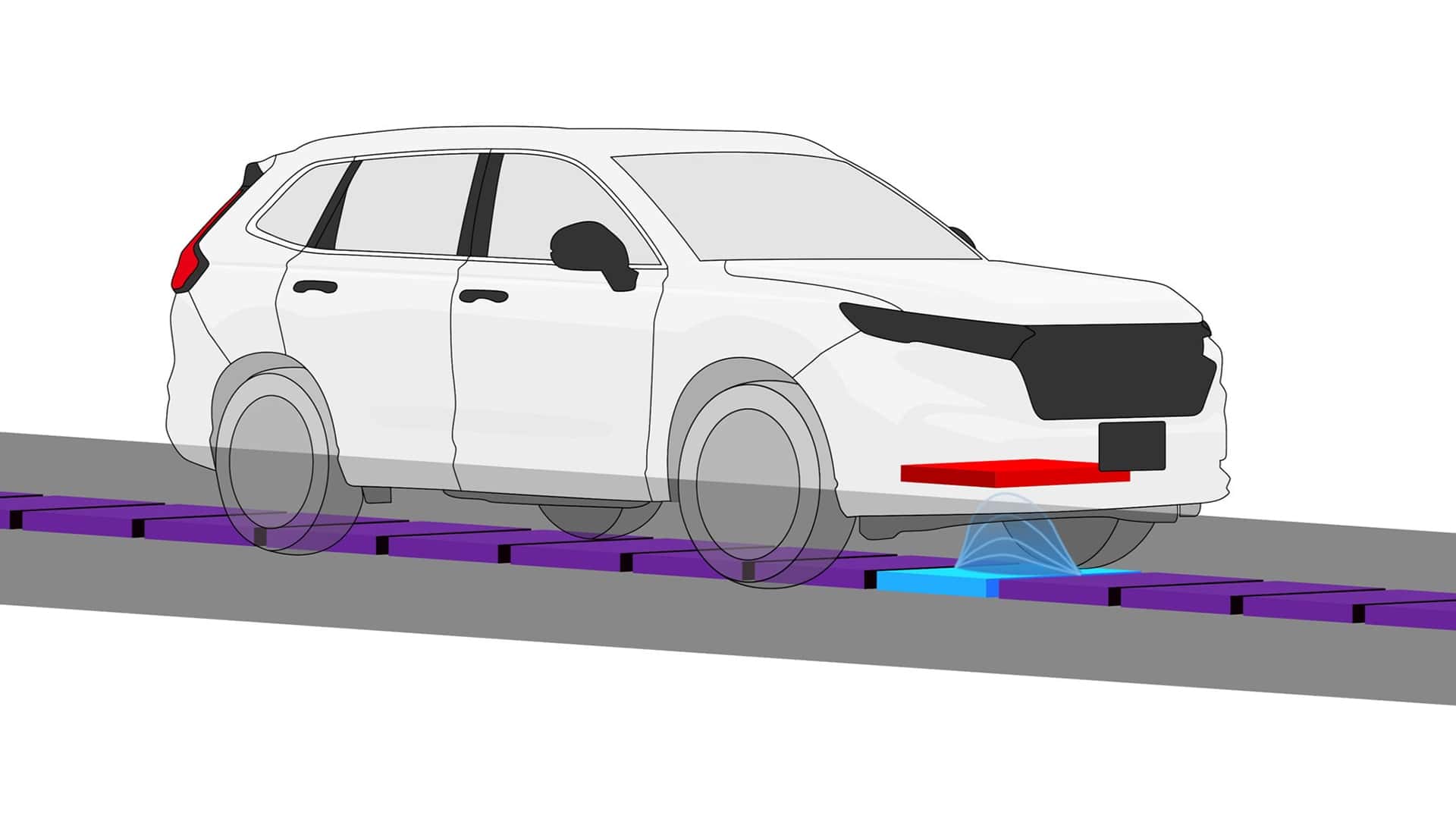
Honda to Test Wireless EV Chargers on Highway in 2027
Honda plans to begin testing wireless electric vehicle (EV) chargers integrated into a highway near…
1h ago

EV Realty Acquires Property for Electric Truck Charging Hub in Ontario, California
EV Realty has acquired an industrial property in Ontario, California, to develop a high-power…
7h ago
Webinar on Shared Depot Model for Commercial EV Charging Scheduled for October 15
A webinar discussing the shared depot model for commercial EV charging will take place on October…
7h ago

Otovo and InCharge Energy Partner to Provide Integrated Solar, Battery Storage, and EV Charging Solutions
Otovo has formed a service partnership with InCharge Energy to offer a comprehensive package that…
13h ago