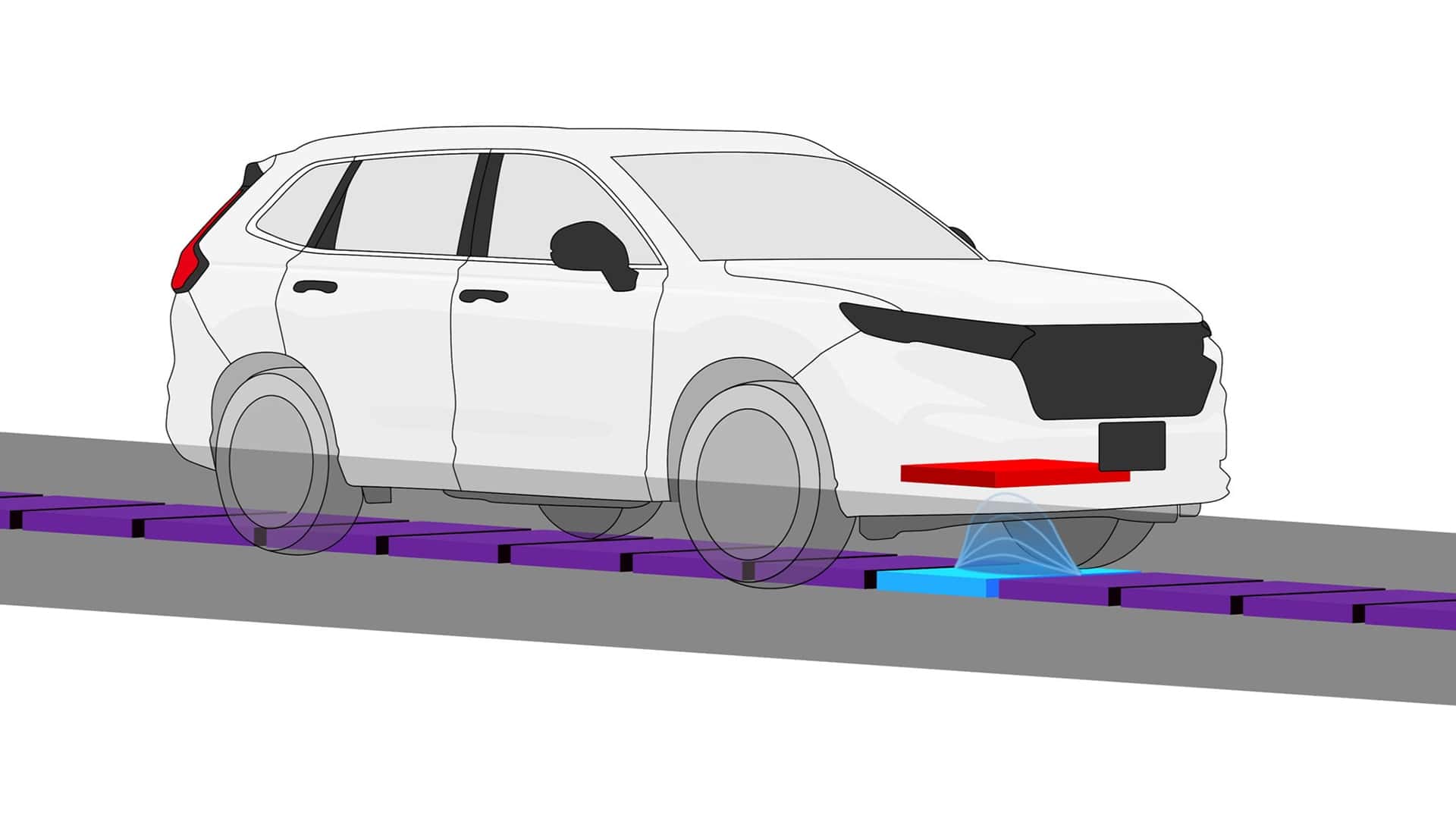
Honda to Test Wireless EV Chargers on Highway in 2027

Edited by Ionna Brakeley
Charging & Ownership
Updated October 7, 2026
3 min read
1 linked source
Honda plans to begin testing wireless electric vehicle (EV) chargers integrated into a highway near Tokyo starting in 2027. This initiative aims to explore the feasibility of wireless charging technology for EVs, although specific details about the technology and its potential rollout remain unclear.
Share this story
Why it matters
- ✓If successful, wireless charging could significantly enhance convenience for EV owners, reducing the need for traditional charging stations.
- ✓This technology may lower the overall ownership costs for EVs by streamlining the charging process.
- ✓The implementation of wireless charging could lead to increased adoption of EVs, as it addresses one of the common concerns about charging accessibility.
Honda's Wireless Charging Initiative
Honda has announced plans to test wireless electric vehicle (EV) chargers on a stretch of highway near Tokyo, with the testing set to begin in 2027. This initiative represents a significant step towards exploring the practical applications of wireless charging technology for electric vehicles.
What Changed
The key change is Honda's commitment to integrate wireless charging technology into a highway setting. This move aims to assess the viability of charging EVs without the need for physical connections, potentially revolutionizing how EVs are charged on the go. The specifics of the technology being tested and the exact location of the highway stretch have not yet been disclosed.
Why It Matters for Buyers and Owners
The introduction of wireless charging technology could have several implications for current and prospective EV owners:
- Convenience: Wireless charging could eliminate the hassle of plugging in vehicles, making it easier for drivers to charge their EVs during their daily commutes.
- Cost Efficiency: By reducing the need for traditional charging infrastructure, wireless technology may lower overall ownership costs for EVs in the long term.
- Increased Adoption: Enhanced charging convenience could encourage more consumers to consider switching to electric vehicles, addressing one of the main barriers to EV adoption—charging accessibility.
Key Details from Source Material
According to InsideEVs, Honda's testing will take place in 2027, marking a pivotal moment in the company's exploration of innovative charging solutions. While the details surrounding the technology and its implementation remain sparse, the initiative underscores Honda's commitment to advancing electric mobility.
What to Watch Next
As Honda moves forward with this testing phase, several key aspects will be important to monitor:
- Technology Specifications: Further details on the wireless charging technology being tested will be crucial to understanding its potential effectiveness and efficiency.
- Testing Outcomes: The results of the tests will determine whether Honda will proceed with broader implementation of this technology.
- Regulatory and Infrastructure Considerations: The feasibility of deploying wireless charging on a larger scale will depend on regulatory approvals and the readiness of infrastructure to support such innovations.
In conclusion, Honda's initiative to test wireless EV chargers on highways could mark a transformative development in the EV landscape, but much remains to be clarified as the project progresses.
Sources
These are the documents and reports used to build this brief so readers can verify the story directly.
- Honda Will Test Wireless EV Chargers On The Highway In 2027 — InsideEVsMEDIA
Reporting notes
EV Signal briefs are written to explain the verified change first, then add the context EV buyers and owners need to understand cost, availability, charging access, eligibility, or ownership impact.
If details are still developing, we try to say what is confirmed, what comes from secondary reporting, and what readers should verify before acting.
Source mix
1 linked source
1 media
Reviewed from: InsideEVs.
Comments
Log in with
Loading comments…
More in Charging

US Gas Plant Plans Increase by 44% Amid Rising Demand
The United States has seen a 44% increase in proposed gas power plant plans over the last eight…
1h ago

EV Realty Acquires Property for Electric Truck Charging Hub in Ontario, California
EV Realty has acquired an industrial property in Ontario, California, to develop a high-power…
7h ago
Webinar on Shared Depot Model for Commercial EV Charging Scheduled for October 15
A webinar discussing the shared depot model for commercial EV charging will take place on October…
7h ago

Otovo and InCharge Energy Partner to Provide Integrated Solar, Battery Storage, and EV Charging Solutions
Otovo has formed a service partnership with InCharge Energy to offer a comprehensive package that…
13h ago