
US EV Fast Charging Networks Show Stability Heading into 2026
Updated April 23, 2026
3 min read
1 linked source
As the US approaches 2026, EV fast-charging networks are demonstrating increased reliability, stable pricing, and consistent utilization rates. This positive trend affects both current and prospective EV owners, indicating a more dependable charging infrastructure. However, the full impact of new chargers coming online remains to be seen.
Share this story
Why it matters
- ✓Improved reliability of fast-charging stations enhances the overall ownership experience for EV drivers.
- ✓Stable pricing helps consumers budget more effectively for charging costs.
- ✓Consistent utilization rates suggest that demand for fast charging is being met, reducing wait times for users.
Reporting notes
EV Signal briefs are written to explain the verified change first, then add the context EV buyers and owners need to understand cost, availability, charging access, eligibility, or ownership impact.
If details are still developing, we try to say what is confirmed, what comes from secondary reporting, and what readers should verify before acting.
Source mix
1 linked source
1 media
Reviewed from: Electrek.
US EV Fast Charging Networks Show Stability Heading into 2026
As the US approaches 2026, EV fast-charging networks are demonstrating increased reliability, stable pricing, and consistent utilization rates. This positive trend affects both current and prospective EV owners, indicating a more dependable charging infrastructure. However, the full impact of new chargers coming online remains to be seen.
What Changed
According to a report from Electrek, the landscape of EV fast charging in the United States is stabilizing. The reliability of charging stations has improved, with many users reporting fewer outages and better service. Pricing for fast charging has remained stable, which is crucial for consumers who are budgeting for their electric vehicle (EV) expenses. Additionally, the utilization of existing chargers is holding steady, even as more charging stations are being added to the network.
Why It Matters for Buyers/Owners
The stabilization of fast charging networks is significant for several reasons:
- Improved Reliability: With increased reliability, EV owners can expect fewer disruptions when charging their vehicles, making long trips more manageable and reducing range anxiety.
- Stable Pricing: Consistent pricing allows EV owners to plan their charging expenses better, contributing to a more predictable ownership cost.
- Consistent Utilization: The steady utilization rates indicate that the demand for fast charging is being met effectively, which could lead to shorter wait times at charging stations for users.
Key Details from Source Material
The report highlights that as more chargers come online, the overall system is not overwhelmed, suggesting a well-planned expansion of the fast-charging infrastructure. This is a positive sign for the EV market, as it indicates that the growth of charging stations is keeping pace with the increasing number of electric vehicles on the road.
What to Watch Next
While the current trends are encouraging, it is essential to monitor how the introduction of new charging stations will affect existing networks. Will the reliability continue to improve? How will pricing evolve as competition increases? These questions remain open as the market develops. Keeping an eye on future reports and updates from charging network providers will be crucial for both current and prospective EV owners.
In summary, the stabilization of EV fast-charging networks in the US is a positive development for the electric vehicle community, offering improved reliability and predictable costs as we move toward 2026.
Sources
These are the documents and reports used to build this brief so readers can verify the story directly.
- EV fast charging is stabilizing in the US – here’s what changed — ElectrekMEDIA
Comments
Log in with
Loading comments…
More in Charging
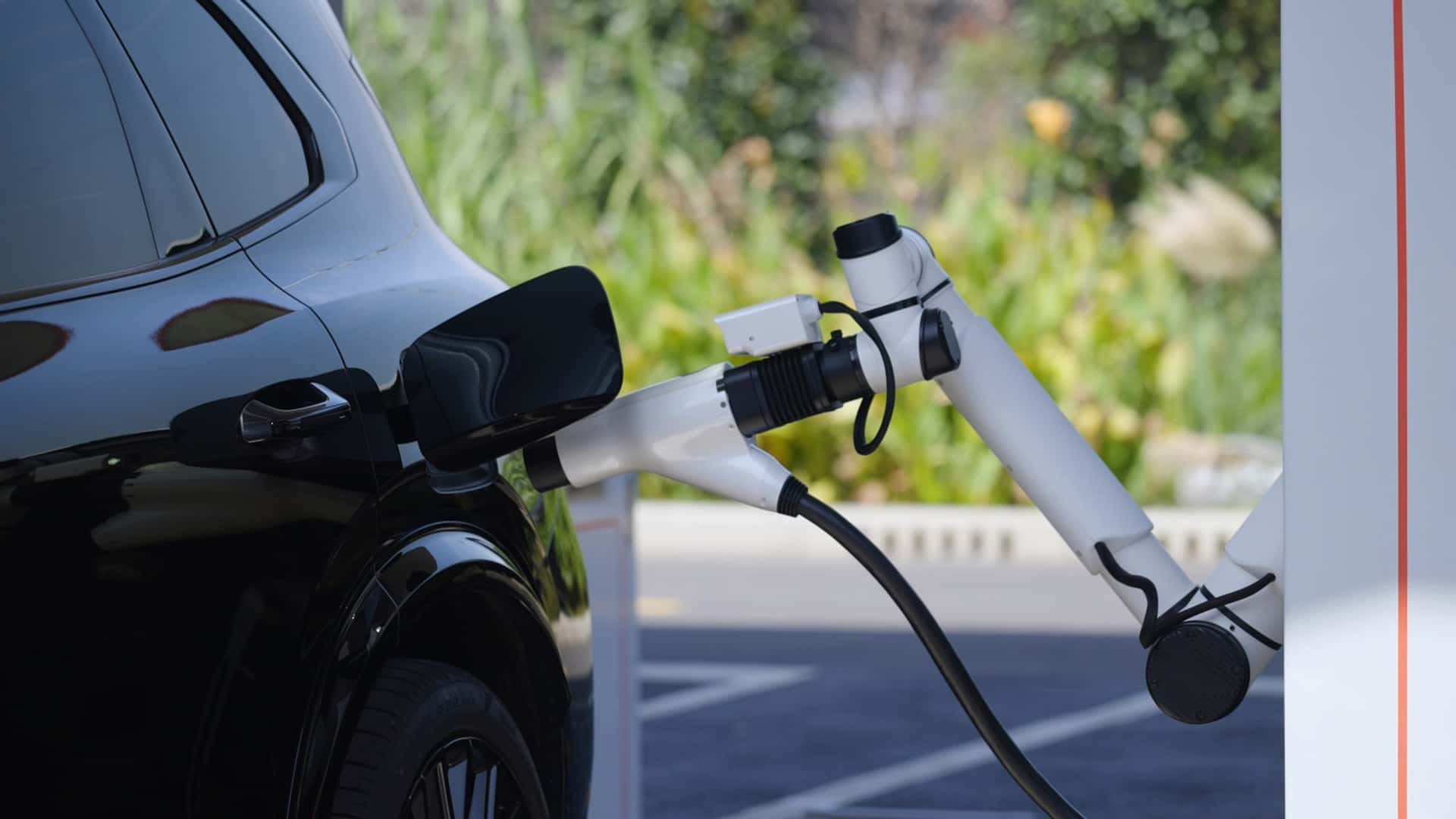
Geely Unveils 2.25 Megawatt EV Charger, Outpacing Competitors
Geely has introduced a new electric vehicle (EV) charger with an impressive output of 2.25…
18h ago
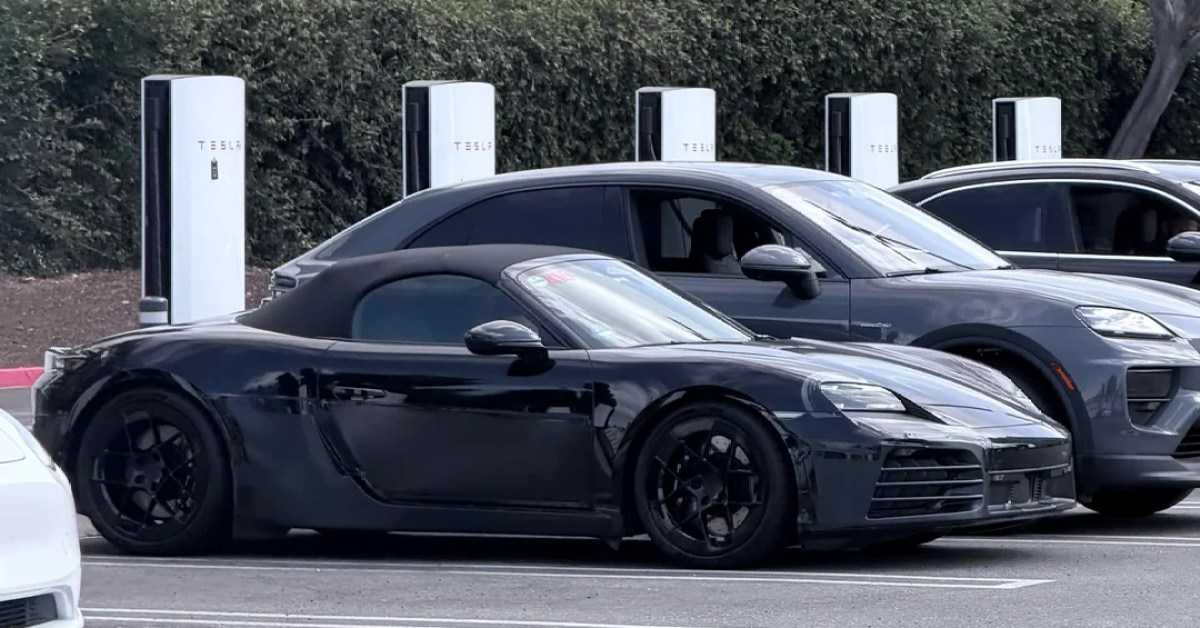
Electric Porsche Boxster Spotted Charging at Tesla Supercharger
An electric version of the Porsche Boxster has been observed charging at a Tesla Supercharger…
1d ago
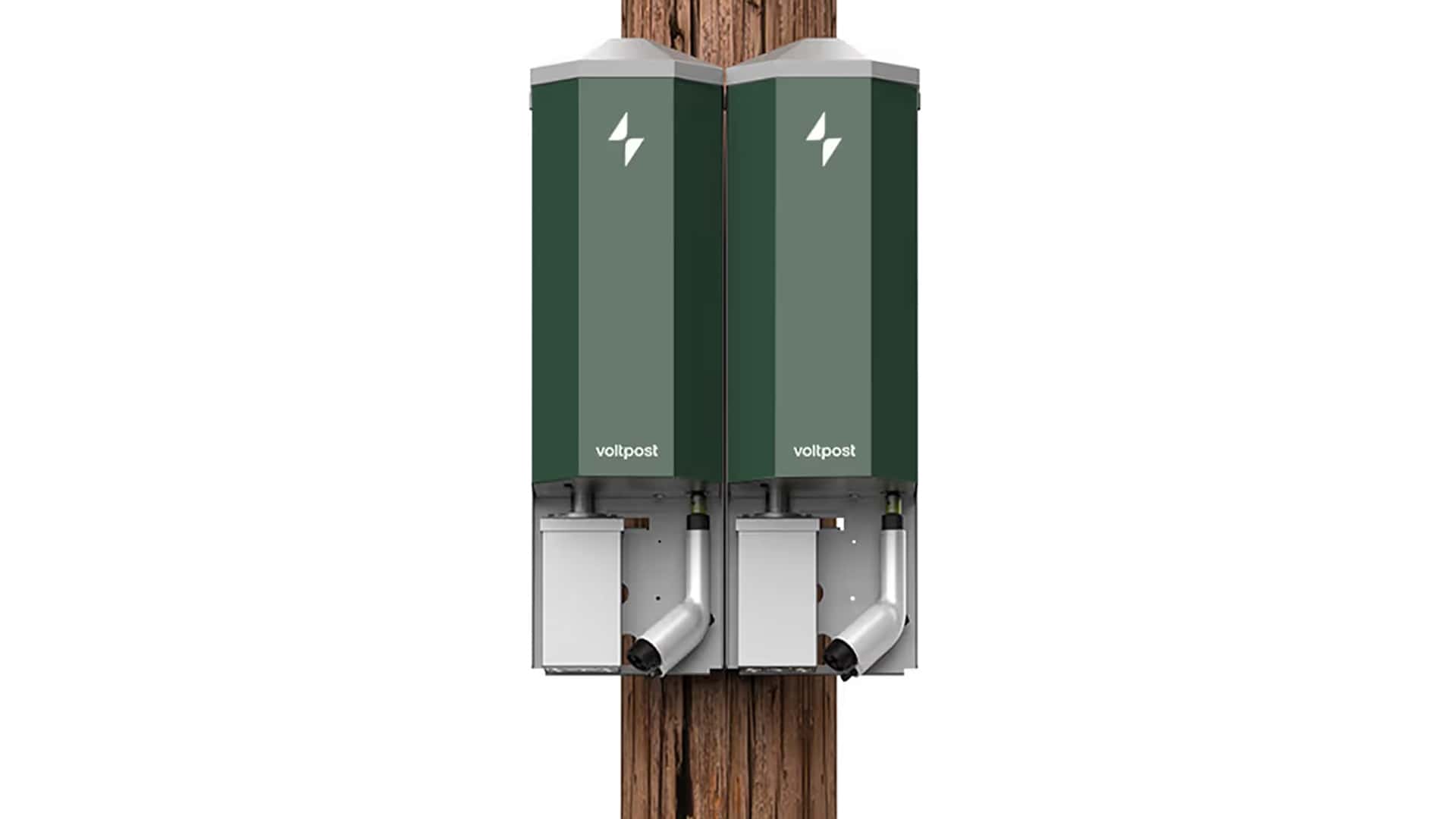
Voltpost Expands Lamppost EV Chargers with Free Top-Ups in Brooklyn
Voltpost has launched over a dozen new lamppost-mounted EV charging ports across New York,…
1d ago

Geely Introduces 2.2MW Charger for 4-Minute EV Charging
Geely has announced a new electric car battery and charging system that enables charging times of…
2d ago