
US Energy Department Emphasizes Geothermal Energy in Policy Shift

Edited by Ionna Brakeley
Charging & Ownership
Updated September 27, 2026
3 min read
1 linked source
The U.S. Energy Department is focusing on geothermal energy as part of its strategy for rapid energy scale-up, despite a recent shift in federal energy policy. This change could potentially impact energy costs and availability for electric vehicle (EV) owners, although specific details on implementation remain uncertain.
Share this story
Why it matters
- ✓Increased reliance on geothermal energy could lead to more stable energy prices, benefiting EV owners by reducing charging costs.
- ✓As geothermal energy becomes more integrated into the grid, it may improve charging access and availability in regions where this resource is abundant.
- ✓Potential incentives for geothermal energy development could indirectly support EV infrastructure expansion.
U.S. Energy Department's Shift Towards Geothermal Energy
The U.S. Energy Department is increasingly betting on geothermal energy as a key component of its strategy for rapid energy scale-up. This shift comes in the wake of a significant change in federal energy policy, which has raised questions about the future of various renewable energy sources. While the emphasis on geothermal energy could have positive implications for electric vehicle (EV) owners, the specifics of how this will unfold remain somewhat unclear.
What Changed?
In a notable pivot from previous energy policies, the Energy Department is now prioritizing geothermal energy. This change reflects a broader trend towards diversifying the energy mix in the United States, particularly as the government seeks to meet ambitious renewable energy targets. The focus on geothermal energy is seen as a way to harness a reliable and sustainable energy source that can complement other renewables, such as solar and wind.
Why It Matters for Buyers/Owners
This policy shift could have several implications for EV buyers and owners:
- Stable Energy Prices: As geothermal energy becomes more prevalent, it may help stabilize energy prices. This could lead to lower charging costs for EV owners, making electric vehicles more economically attractive.
- Improved Charging Access: Regions rich in geothermal resources may see enhanced charging infrastructure development, providing more convenient access to charging stations for EV users.
- Indirect Incentives: If the government introduces incentives for geothermal energy development, it could indirectly support the expansion of EV infrastructure, benefiting current and prospective EV owners.
Key Details from Source Material
According to CleanTechnica, the Energy Department's renewed focus on geothermal energy comes despite a sharp U-turn in federal energy policy last year. The article emphasizes that geothermal energy is being viewed as a 'wild card' in the renewable energy landscape, with the potential for rapid scale-up. However, the specifics of how this will be implemented and its direct effects on the energy market, particularly for EV charging, are still being determined.
What to Watch Next
As the Energy Department moves forward with its geothermal energy initiatives, it will be important to monitor:
- Policy Developments: Look for announcements regarding specific programs or incentives aimed at promoting geothermal energy.
- Infrastructure Investments: Keep an eye on investments in charging infrastructure that may arise as a result of increased geothermal energy adoption.
- Market Reactions: Observe how energy markets respond to the integration of geothermal energy and whether this leads to changes in charging costs for EV owners.
In summary, while the U.S. Energy Department's pivot towards geothermal energy presents promising opportunities for EV owners, the full impact of this policy shift will depend on forthcoming details and implementation strategies.
Sources
These are the documents and reports used to build this brief so readers can verify the story directly.
- The Geothermal Energy Wild Card Is Getting Wilder — CleanTechnicaMEDIA
Reporting notes
EV Signal briefs are written to explain the verified change first, then add the context EV buyers and owners need to understand cost, availability, charging access, eligibility, or ownership impact.
If details are still developing, we try to say what is confirmed, what comes from secondary reporting, and what readers should verify before acting.
Source mix
1 linked source
1 media
Reviewed from: CleanTechnica.
Comments
Log in with
Loading comments…
More in Charging
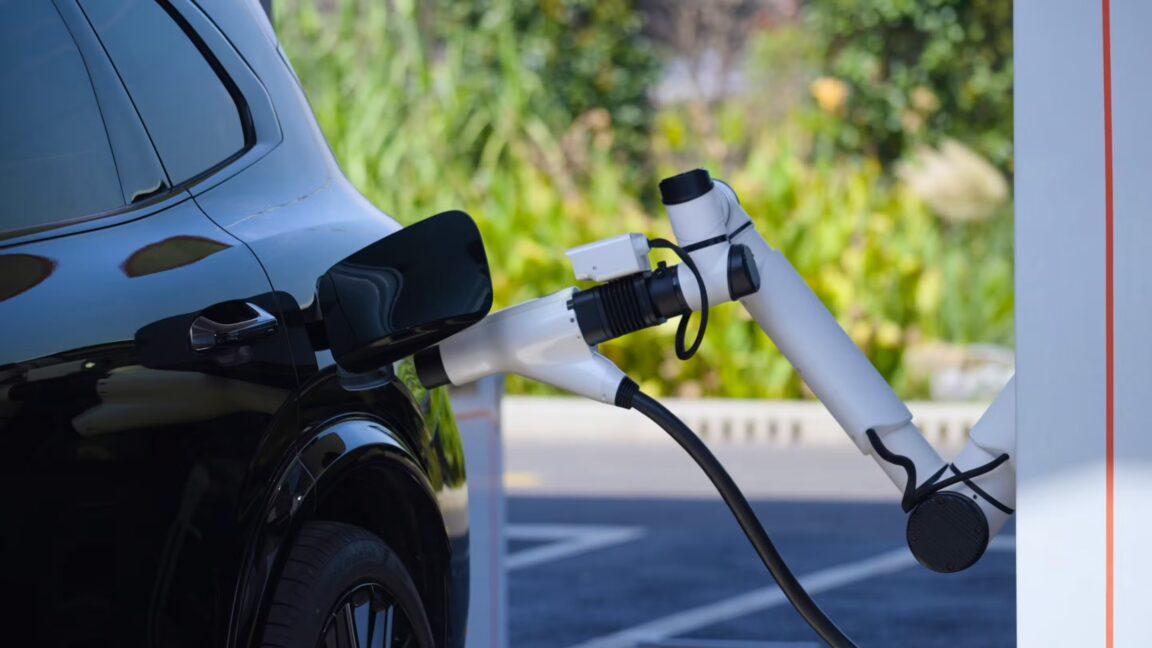
China Achieves Sub-5 Minute EV Charging to 70%, US Lags Behind
China has developed a new lithium iron phosphate (LFP) battery that can charge from 10% to 70% in…
7h ago
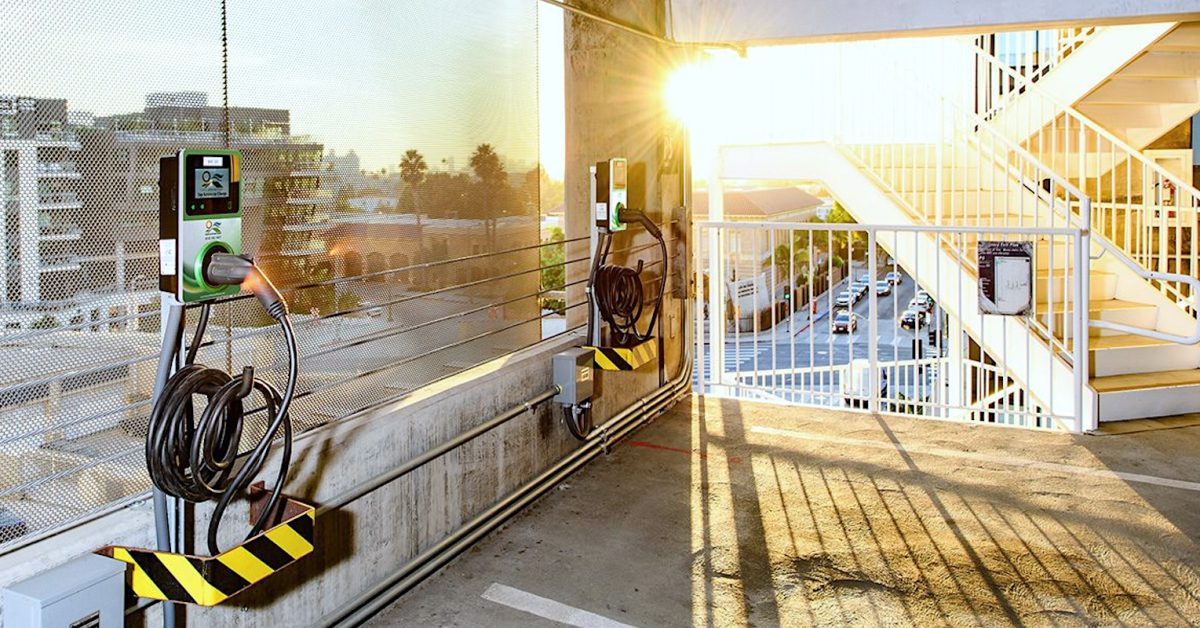
Green Water & Power Deploys 10,000th EV Charger in Three Years
Green Water & Power has reached a significant milestone by deploying its 10,000th electric vehicle…
7h ago
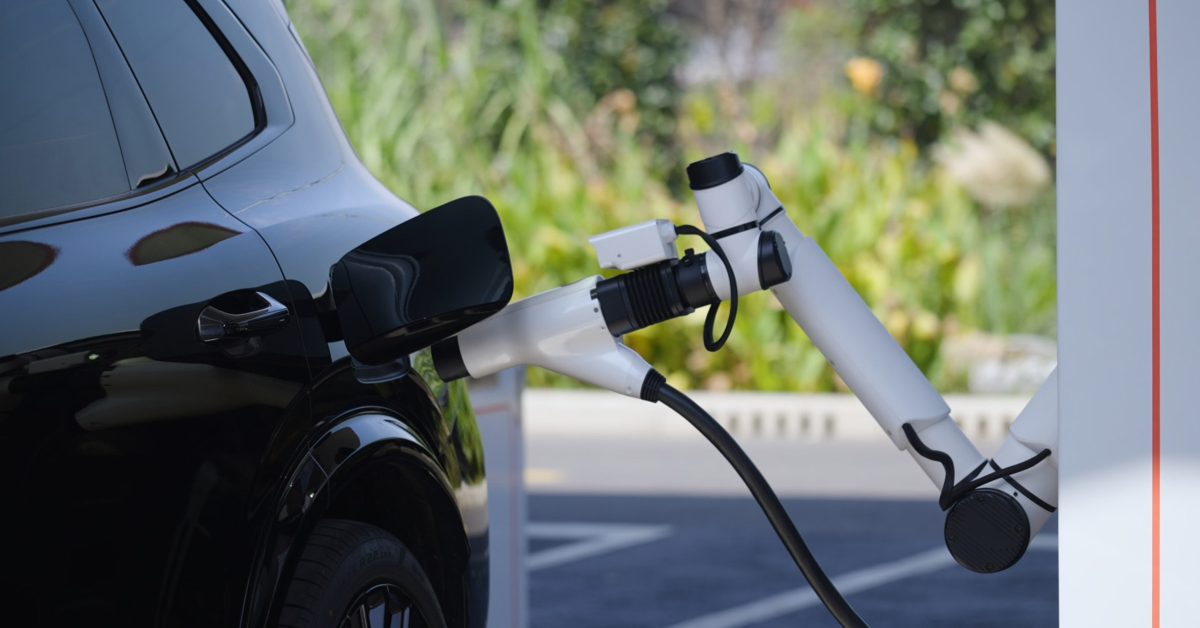
Geely Introduces AI Fast Charging System to Extend EV Battery Life
Geely has unveiled an AI-powered fast charging system that claims to reverse some battery damage…
7h ago

Understanding High Voltage Protection in DC Fast Charging
DC fast chargers, which operate at higher voltages than standard chargers, present both advantages…
13h ago