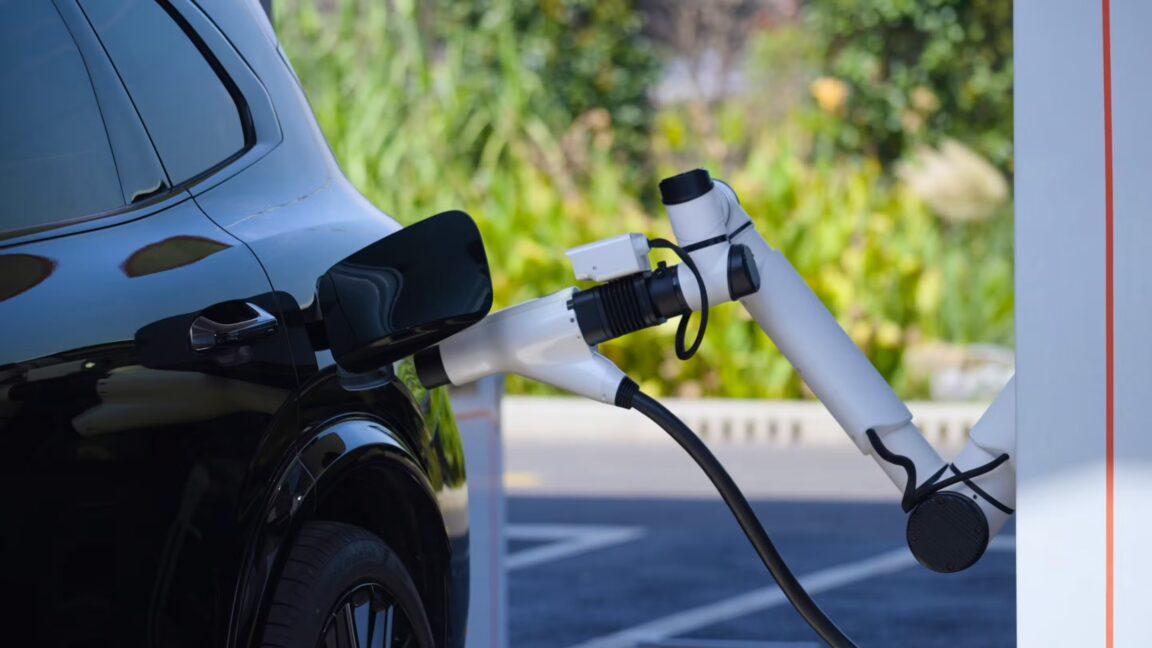
China Achieves Sub-5 Minute EV Charging to 70%, US Lags Behind

Edited by Ionna Brakeley
Charging & Ownership
Updated September 26, 2026
3 min read
1 linked source
China has developed a new lithium iron phosphate (LFP) battery that can charge from 10% to 70% in just 4.5 minutes at a temperature of 65˚C. This advancement highlights a significant gap in EV charging technology between China and the United States, which may affect the competitive landscape for EV buyers and owners in the US. The implications of this technology for widespread adoption and infrastructure development in the US remain uncertain.
Share this story
Why it matters
- ✓Faster charging times could enhance the convenience of owning an EV, making them more appealing to potential buyers.
- ✓The US may need to accelerate its investment in charging infrastructure to keep pace with advancements in battery technology abroad.
- ✓Consumers in the US could face longer wait times at charging stations compared to those in China, impacting day-to-day use.
China Leads in EV Charging Technology
China has made a significant leap in electric vehicle (EV) charging technology, achieving a remarkable charging speed that allows its new lithium iron phosphate (LFP) battery to charge from 10% to 70% in just 4.5 minutes at a temperature of 65˚C. This advancement raises concerns about the United States falling behind in the race for efficient EV charging solutions.
What Changed?
The introduction of the new LFP battery technology in China marks a pivotal moment for EV charging speeds. With the ability to charge rapidly, this innovation could redefine the user experience for EV owners, allowing for much shorter stops at charging stations. In contrast, many charging solutions currently available in the US do not match this speed, potentially leading to longer wait times for American EV drivers.
Why It Matters for Buyers and Owners
-
Convenience: The ability to charge an EV to 70% in under five minutes significantly enhances the convenience of owning an electric vehicle. This could make EVs more attractive to consumers who are concerned about charging times.
-
Infrastructure Development: The US may need to invest more heavily in charging infrastructure to compete with advancements in battery technology from countries like China. Without such investments, American consumers may find themselves at a disadvantage.
-
Daily Use Impact: Longer charging times in the US could affect the day-to-day usability of EVs, potentially discouraging new buyers who are accustomed to the quick refueling times of traditional gasoline vehicles.
Key Details from Source Material
According to an article from Ars Technica, the new LFP battery's rapid charging capabilities are achieved at a relatively high temperature of 65˚C. This technological advancement not only showcases China's leadership in battery innovation but also highlights the challenges faced by the US in keeping up with such developments. The article emphasizes that while the US has made strides in EV adoption, the charging infrastructure and technology need to evolve to match the pace set by China.
What to Watch Next
As the EV market continues to evolve, it will be crucial to monitor how US manufacturers respond to this technological leap. Will American companies invest in similar battery technologies or infrastructure improvements? Additionally, the impact of these advancements on consumer behavior and the overall EV market dynamics in the US will be important to observe. The competition between countries in the EV sector is intensifying, and how the US adapts to these changes will play a significant role in shaping its future in electric mobility.
Sources
These are the documents and reports used to build this brief so readers can verify the story directly.
- US being left behind in EV charging speeds as China goes sub-5 min to 70% — Ars Technica CarsMEDIA
Reporting notes
EV Signal briefs are written to explain the verified change first, then add the context EV buyers and owners need to understand cost, availability, charging access, eligibility, or ownership impact.
If details are still developing, we try to say what is confirmed, what comes from secondary reporting, and what readers should verify before acting.
Source mix
1 linked source
1 media
Reviewed from: Ars Technica Cars.
Comments
Log in with
Loading comments…
More in Charging
Green Water & Power Deploys 10,000th EV Charger in Three Years
Green Water & Power has reached a significant milestone by deploying its 10,000th electric vehicle…
2h ago
Geely Introduces AI Fast Charging System to Extend EV Battery Life
Geely has unveiled an AI-powered fast charging system that claims to reverse some battery damage…
2h ago

Understanding High Voltage Protection in DC Fast Charging
DC fast chargers, which operate at higher voltages than standard chargers, present both advantages…
8h ago

Lincoln Electric’s EV Chargers Achieve NEMA Certification
Lincoln Electric has received product-level certification under the NEMA Make It American program…
8h ago