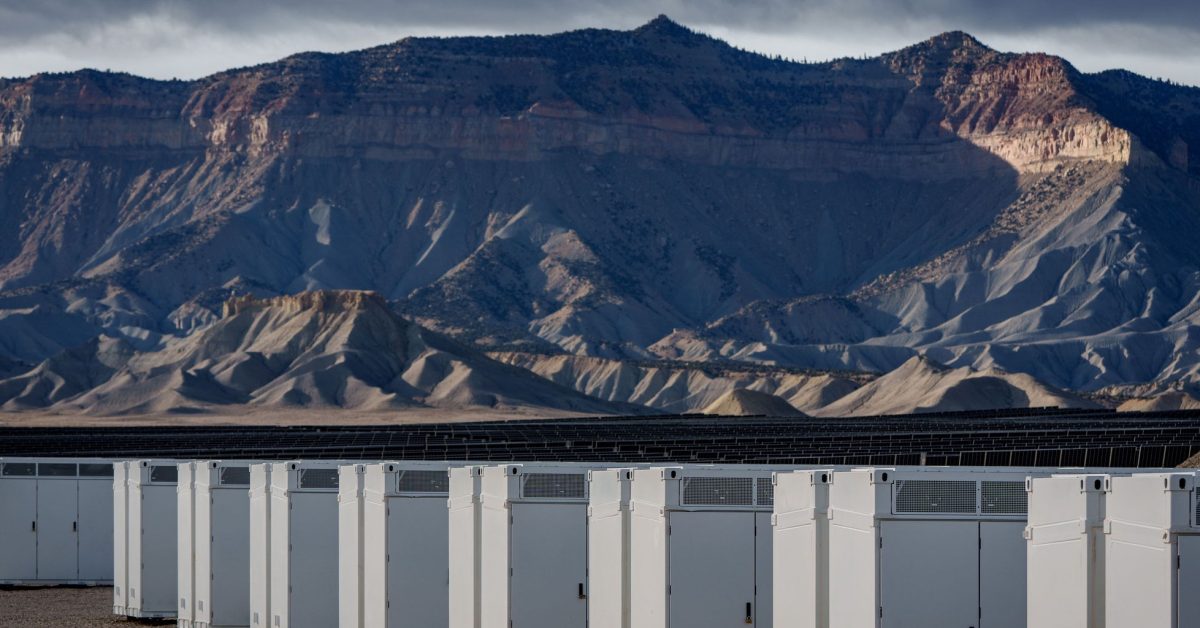
US Battery Storage Market Hits Record 20.2 GWh in Q2 2026
Updated September 1, 2026
3 min read
1 linked source
The US battery storage market achieved a significant milestone by adding 20.2 gigawatt-hours (GWh) of new capacity in the second quarter of 2026, marking its largest quarterly increase to date. This surge in battery storage capacity could have implications for electric vehicle (EV) owners and buyers, particularly regarding charging infrastructure and energy costs. However, specific details on how this increase will directly affect EV pricing or availability remain unclear.
Share this story
Why it matters
- ✓Increased battery storage capacity can enhance charging infrastructure, potentially leading to more reliable and accessible charging options for EV owners.
- ✓Greater battery storage may help stabilize energy prices, which could indirectly affect the cost of charging EVs.
- ✓Improved energy storage solutions can support renewable energy integration, making EV ownership more sustainable.
Reporting notes
EV Signal briefs are written to explain the verified change first, then add the context EV buyers and owners need to understand cost, availability, charging access, eligibility, or ownership impact.
If details are still developing, we try to say what is confirmed, what comes from secondary reporting, and what readers should verify before acting.
Source mix
1 linked source
1 media
Reviewed from: Electrek.
US Battery Storage Market Hits Record 20.2 GWh in Q2 2026
The US battery storage market has reached a new high, adding 20.2 gigawatt-hours (GWh) of new capacity in the second quarter of 2026. This marks the largest quarterly increase in battery storage capacity to date, reflecting a growing trend towards enhanced energy storage solutions across the country.
What Changed
According to Electrek, the recent surge in battery storage capacity is a significant development for the energy landscape in the United States. The addition of 20.2 GWh in just three months indicates a robust demand for energy storage solutions, driven by the increasing adoption of renewable energy sources and the need for more efficient energy management systems.
Why It Matters for Buyers/Owners
The increase in battery storage capacity has several implications for electric vehicle (EV) buyers and owners:
- Enhanced Charging Infrastructure: With more battery storage, charging stations may become more reliable and accessible, reducing wait times and improving the overall charging experience for EV owners.
- Stabilized Energy Prices: Increased battery storage can help stabilize energy prices, which may lead to lower charging costs for EV users in the long run.
- Support for Renewable Energy: As battery storage capacity grows, it can facilitate the integration of renewable energy sources, making EV ownership a more sustainable option.
Key Details from Source Material
The record addition of 20.2 GWh of battery storage in Q2 2026 is a clear indicator of the expanding role of battery technology in the US energy sector. This growth is crucial for supporting the increasing demand for electric vehicles and renewable energy solutions. However, the specific impacts on EV pricing, availability, or ownership costs are not yet fully detailed.
What to Watch Next
As the battery storage market continues to evolve, it will be essential to monitor how this increase in capacity translates into tangible benefits for EV owners and buyers. Key areas to watch include:
- Charging Infrastructure Developments: Updates on new charging stations and improvements in existing ones will be crucial to understanding the practical implications of this capacity increase.
- Energy Pricing Trends: Observing how energy prices fluctuate in response to increased battery storage will provide insights into the economic impact on EV ownership.
- Policy Changes: Any new regulations or incentives related to battery storage and renewable energy could further shape the landscape for EV buyers and owners.
In conclusion, while the record addition of battery storage capacity is a positive development for the energy sector, its direct implications for electric vehicle buyers and owners will require ongoing observation and analysis.
Sources
These are the documents and reports used to build this brief so readers can verify the story directly.
Comments
Log in with
Loading comments…
More in Charging

Geely Unveils 2.25 Megawatt EV Charger, Outpacing Competitors
Geely has introduced a new electric vehicle (EV) charger with an impressive output of 2.25…
18h ago
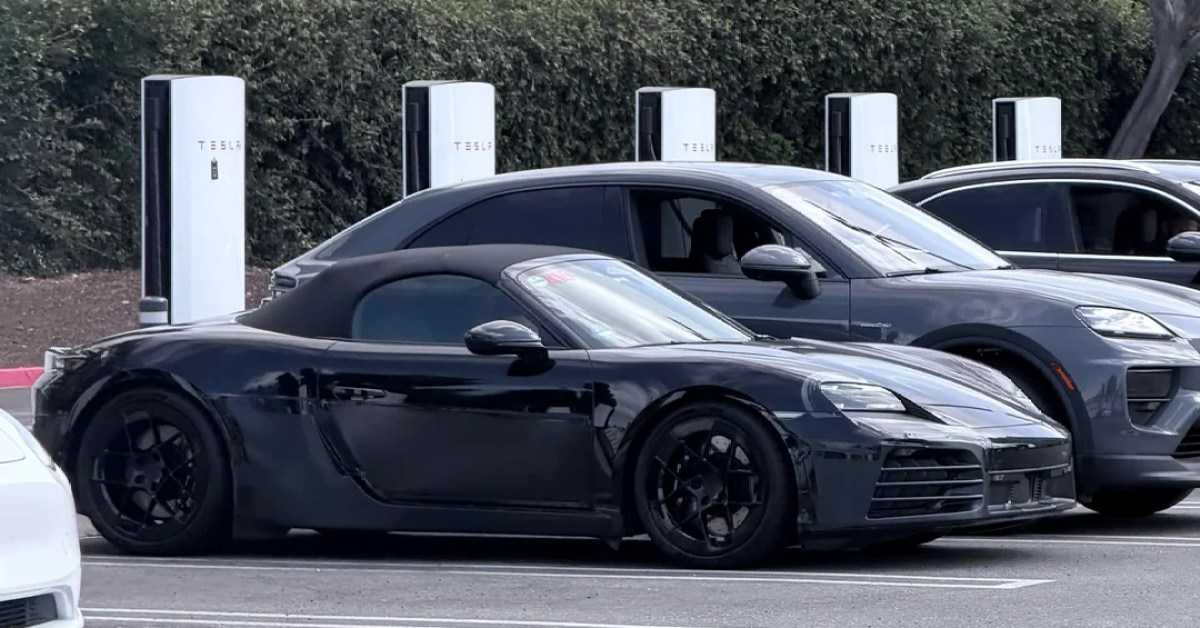
Electric Porsche Boxster Spotted Charging at Tesla Supercharger
An electric version of the Porsche Boxster has been observed charging at a Tesla Supercharger…
1d ago
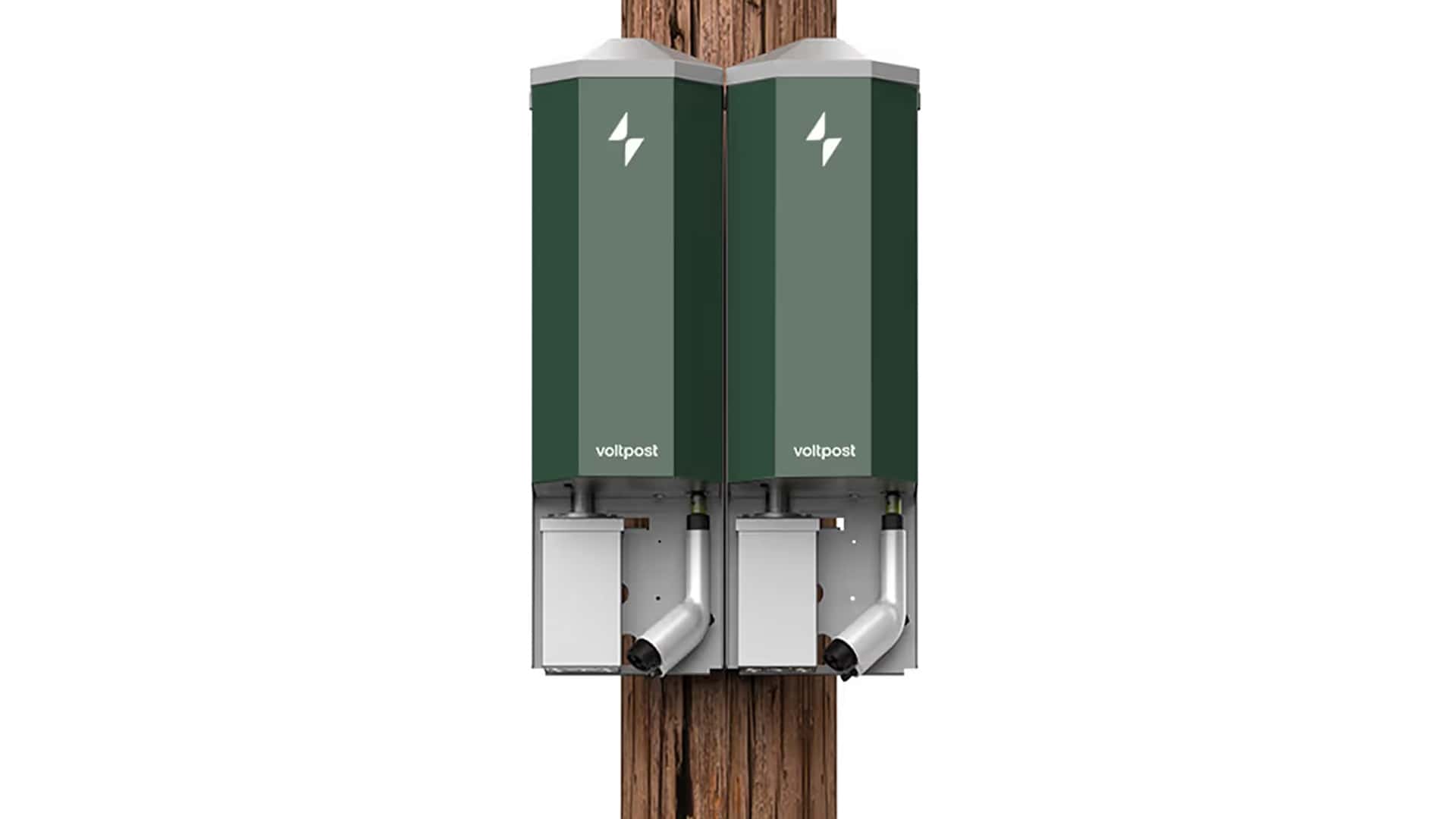
Voltpost Expands Lamppost EV Chargers with Free Top-Ups in Brooklyn
Voltpost has launched over a dozen new lamppost-mounted EV charging ports across New York,…
1d ago

Geely Introduces 2.2MW Charger for 4-Minute EV Charging
Geely has announced a new electric car battery and charging system that enables charging times of…
2d ago