
US Automakers Face $70B Loss Due to Lobbying Decisions Impacting EV Market
Updated May 8, 2026
3 min read
1 linked source
US automakers are experiencing significant financial losses, totaling $70 billion, as they cancel electric vehicle (EV) investments. This decision stems from a perceived lack of consumer demand, despite rising global EV sales. The industry's lobbying efforts have contributed to regulatory instability, complicating the market landscape for EV buyers and owners.
Share this story
Why it matters
- ✓Increased uncertainty in the EV market may lead to higher prices for consumers as automakers scale back investments.
- ✓The cancellation of EV projects could limit the availability of new models, impacting consumer choice.
- ✓Regulatory instability may affect incentives and charging infrastructure development, complicating day-to-day ownership for EV users.
Reporting notes
EV Signal briefs are written to explain the verified change first, then add the context EV buyers and owners need to understand cost, availability, charging access, eligibility, or ownership impact.
If details are still developing, we try to say what is confirmed, what comes from secondary reporting, and what readers should verify before acting.
Source mix
1 linked source
1 media
Reviewed from: Electrek.
US Automakers' $70 Billion Loss
US automakers are facing a staggering $70 billion loss as they cancel electric vehicle (EV) investments, attributing this decision to a perceived lack of customer demand. However, this claim stands in stark contrast to the reality of rising global EV sales and the peak of gas car sales. A recent analysis by InfluenceMap highlights that the automakers' own lobbying efforts have contributed significantly to the regulatory instability currently plaguing the industry, which has long planning timelines and faces competition from global players who have not hampered their operations with such uncertainty.
What Changed?
The automotive industry is witnessing a dramatic shift as major US automakers retract their commitments to EV development. This decision is primarily driven by a narrative of insufficient consumer demand for electric vehicles. Despite this narrative, global sales of EVs continue to rise, indicating a disconnect between automaker strategies and market realities. InfluenceMap's analysis suggests that the industry's lobbying efforts have led to regulatory instability, creating an unpredictable environment for manufacturers and consumers alike.
Why It Matters for Buyers and Owners
The implications of these developments for EV buyers and owners are significant:
-
Price Uncertainty: As automakers pull back on EV investments, the reduced competition may lead to higher prices for consumers. With fewer new models entering the market, buyers may find themselves facing limited options at potentially inflated prices.
-
Availability of Models: The cancellation of EV projects could restrict the variety of vehicles available to consumers. This limitation may hinder the ability of potential buyers to find models that meet their needs, ultimately affecting sales and market growth.
-
Impact on Infrastructure and Incentives: Regulatory instability may also affect the development of charging infrastructure and government incentives for EV purchases. This uncertainty can complicate the ownership experience for current and prospective EV users, as they may face challenges in accessing charging stations or benefiting from financial incentives.
Key Details from Source Material
According to the analysis by InfluenceMap, automakers have contributed to their own challenges by flip-flopping on lobbying efforts. This inconsistency has led to a climate of regulatory uncertainty, which is particularly detrimental in an industry where long-term planning is essential. The analysis suggests that while automakers cite a lack of demand as a reason for their losses, the reality is that their own actions have created an unstable market environment.
The report emphasizes that global competitors have not hampered their operations with similar uncertainties, allowing them to capitalize on the growing demand for EVs. This situation raises concerns about the future competitiveness of US automakers in the global EV market.
What to Watch Next
As the situation develops, it will be crucial to monitor how automakers adjust their strategies in response to these losses. Key areas to watch include:
- Future Investments: Will automakers reconsider their stance on EV investments, or will they continue to withdraw from the market?
- Regulatory Changes: Are there any forthcoming regulations that could stabilize the market or incentivize EV production?
- Market Response: How will consumers react to the reduced availability of EV models, and will this impact overall sales in the automotive sector?
In conclusion, the $70 billion loss faced by US automakers serves as a stark reminder of the consequences of lobbying decisions and regulatory instability. As the EV market continues to evolve, both buyers and owners will need to stay informed about these developments to navigate the changing landscape effectively.
Sources
These are the documents and reports used to build this brief so readers can verify the story directly.
Comments
Log in with
Loading comments…
More in Ownership
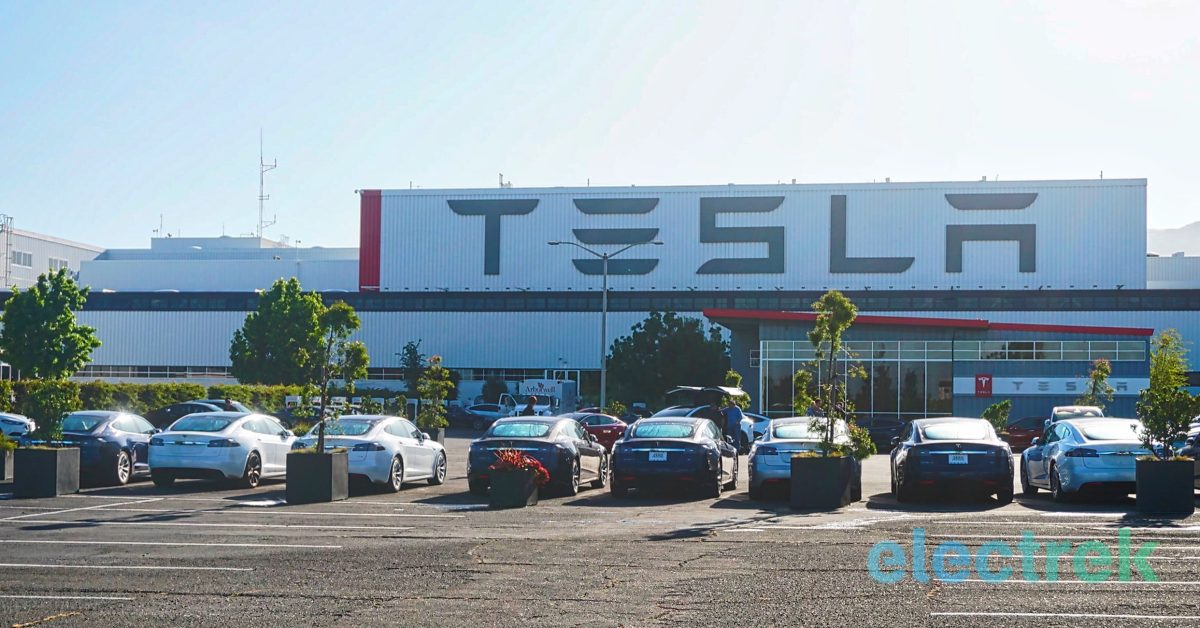
Tesla's Lawyers Misled Witness in Racism Trial
Tesla's ongoing racism trial in California has faced significant setbacks as it was revealed that a…
18h ago
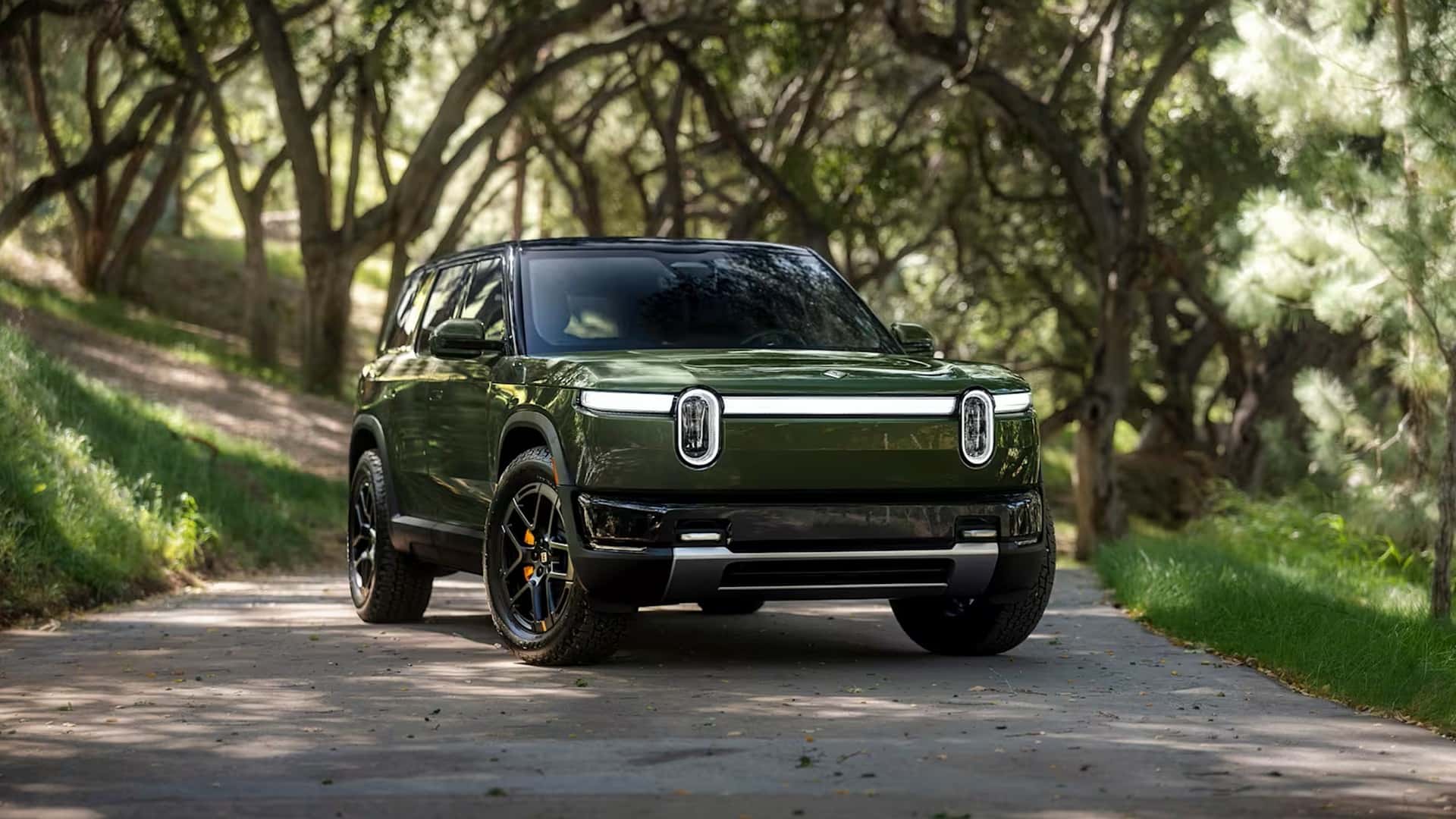
Rivian R2 Faces First Recall Due to Camera Issue
Rivian has issued a recall affecting nearly 99,000 vehicles, including some of its new R2 models,…
18h ago
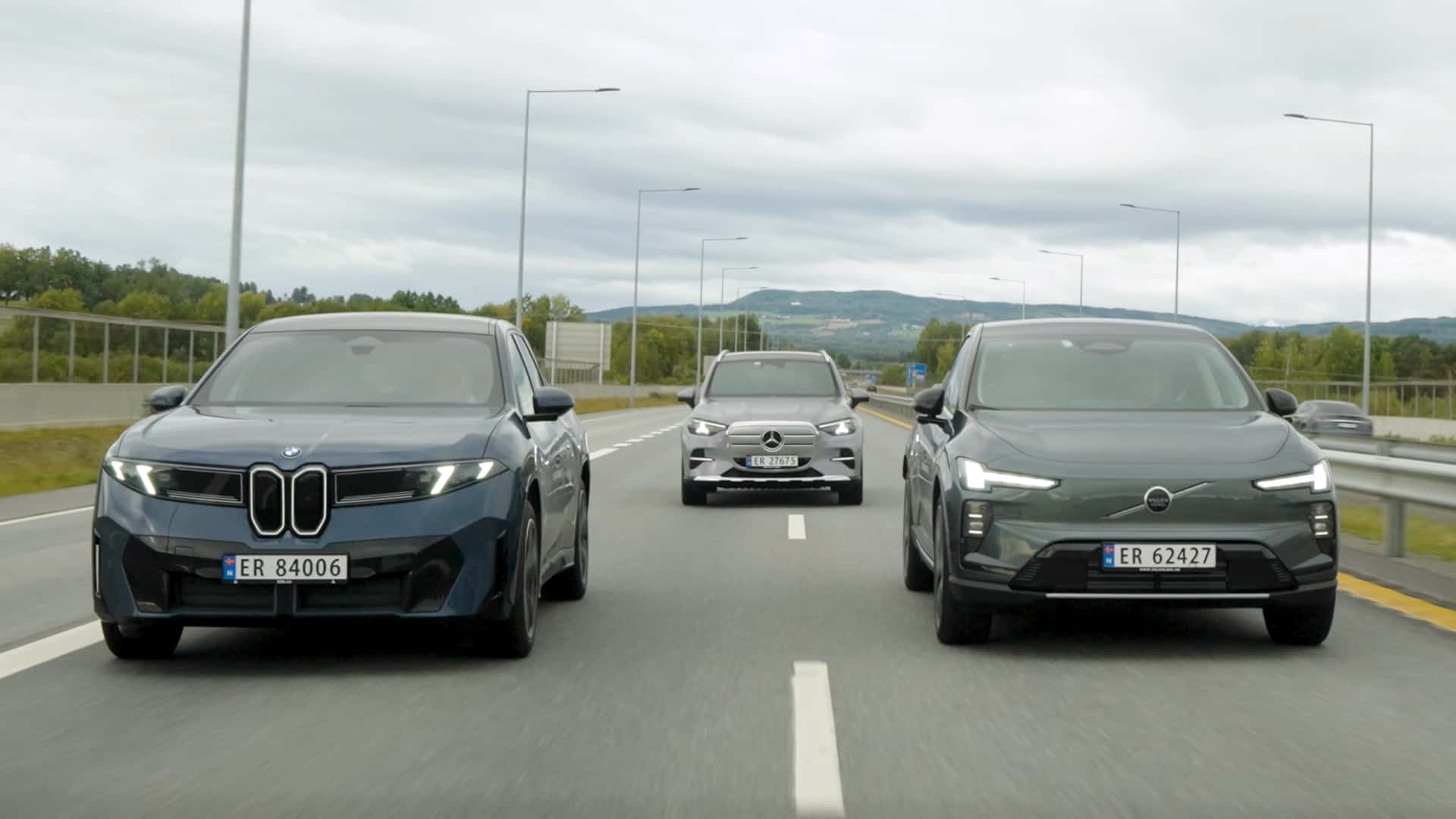
BMW iX3 Outperforms Mercedes GLC and Volvo EX60 in Highway Efficiency Test
In a recent highway test, the BMW iX3 demonstrated superior energy efficiency and range compared to…
1d ago
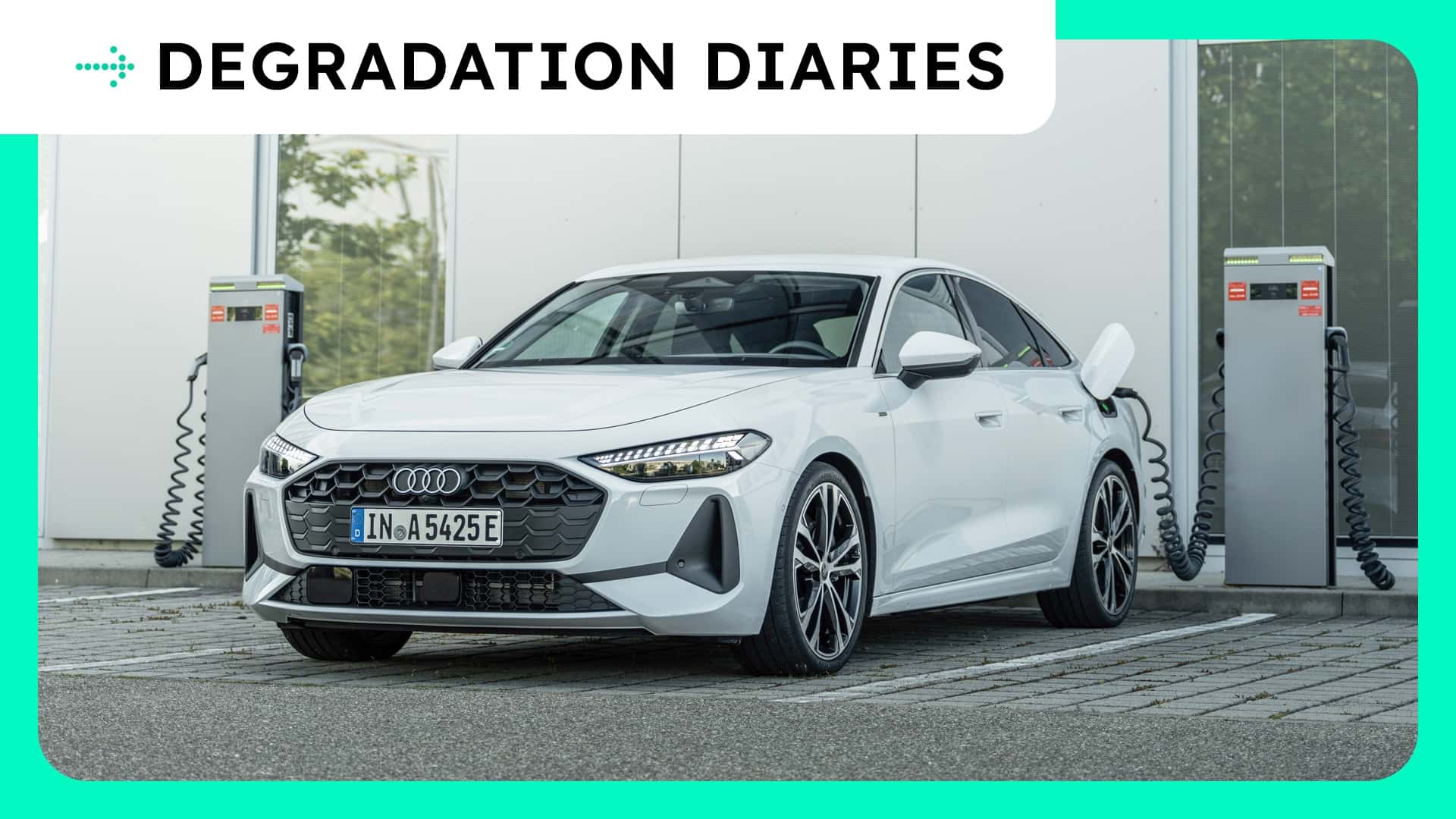
PHEV Batteries Show Resilience Despite Frequent Cycling
Plug-in hybrid electric vehicles (PHEVs) experience more frequent battery cycling than fully…
1d ago