
Nuro Secures California Driverless Permit for Lucid Gravity Uber Robotaxis
Updated May 8, 2026
3 min read
1 linked source
Nuro has obtained a permit from the California DMV to test its Lucid Gravity SUVs without a human safety driver on public roads. This milestone is essential for the upcoming launch of Uber's robotaxi service, which is expected to deploy a fleet of at least 35,000 vehicles. The permit allows testing in Santa Clara and San Mateo counties at speeds up to 45 mph, both day and night.
Share this story
Why it matters
- ✓The introduction of driverless robotaxis could significantly reduce transportation costs for users, making rides more affordable.
- ✓The deployment of a large fleet of robotaxis may increase the availability of on-demand transportation options for EV buyers and owners.
- ✓As the technology matures, it could influence the overall perception and adoption of electric vehicles in urban settings.
Reporting notes
EV Signal briefs are written to explain the verified change first, then add the context EV buyers and owners need to understand cost, availability, charging access, eligibility, or ownership impact.
If details are still developing, we try to say what is confirmed, what comes from secondary reporting, and what readers should verify before acting.
Source mix
1 linked source
1 media
Reviewed from: Electrek.
Nuro Secures California Driverless Permit for Lucid Gravity Uber Robotaxis
Nuro has received a significant permit from the California Department of Motor Vehicles (DMV) that allows the company to conduct tests of its Lucid Gravity SUVs without a human safety driver on public roads. This development is a crucial step toward the launch of Uber's planned robotaxi service, which is set to roll out later this year.
What Changed
The newly issued permit enables Nuro to test its driverless vehicles in Santa Clara and San Mateo counties. The testing can occur at speeds of up to 45 mph and is permitted both during the day and at night. This marks a pivotal moment for Nuro as it prepares to contribute to Uber's ambitious plan to deploy a fleet of at least 35,000 robotaxis.
Why It Matters for Buyers/Owners
The implications of this permit extend beyond just Nuro and Uber. Here are some key points to consider:
- Cost Reduction: The introduction of driverless robotaxis could lead to lower transportation costs for users, making rides more affordable and accessible.
- Increased Availability: A large fleet of robotaxis may enhance the availability of on-demand transportation options, benefiting EV buyers and owners who rely on such services.
- Influence on EV Adoption: As driverless technology becomes more mainstream, it could positively impact the perception and adoption of electric vehicles in urban environments, potentially leading to increased sales and interest in EVs.
Key Details from Source Material
According to Electrek, the permit allows for fully driverless testing of the vehicles, which is a necessary precursor to the launch of Uber's robotaxi service. The testing locations—Santa Clara and San Mateo counties—are significant as they are part of a tech-savvy region that could serve as a model for future deployments. The ability to operate at night and at higher speeds increases the operational capabilities of the robotaxis, making them more versatile in various driving conditions.
What to Watch Next
As Nuro moves forward with its testing, it will be important to monitor the outcomes of these trials and any regulatory updates from the California DMV. Additionally, the timeline for the actual deployment of Uber's robotaxi service will be crucial for potential users and stakeholders in the EV market. Observers should also keep an eye on public reception and any challenges that may arise during the testing phase, as these could influence the broader rollout of driverless technology in the future.
Sources
These are the documents and reports used to build this brief so readers can verify the story directly.
Comments
Log in with
Loading comments…
More in Ownership
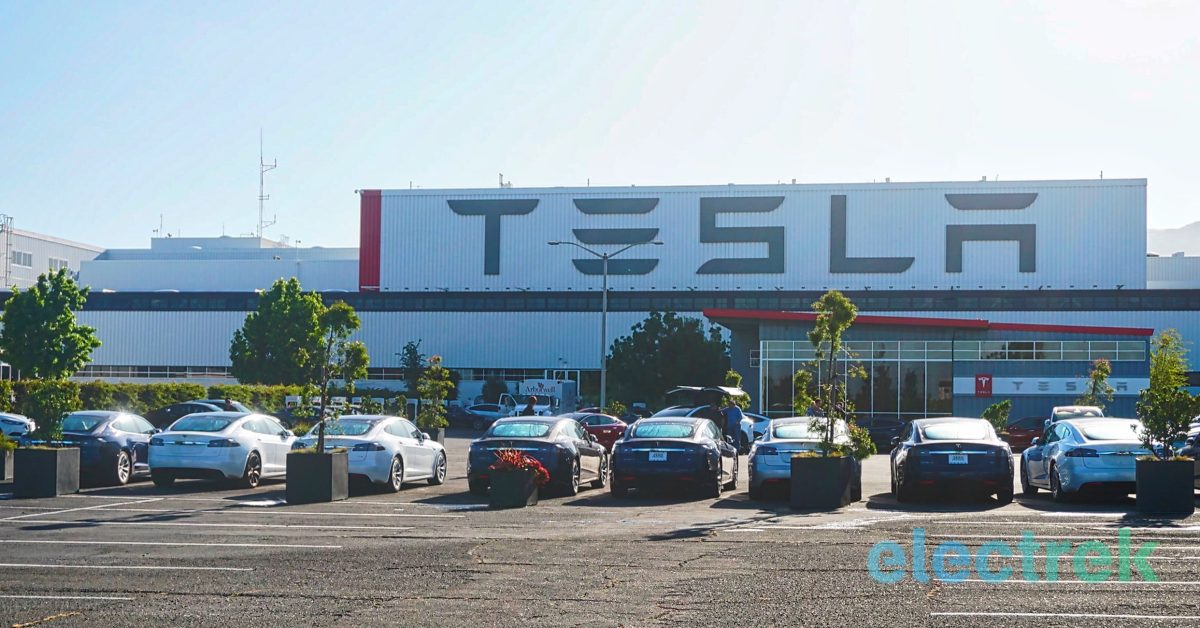
Tesla's Lawyers Misled Witness in Racism Trial
Tesla's ongoing racism trial in California has faced significant setbacks as it was revealed that a…
18h ago
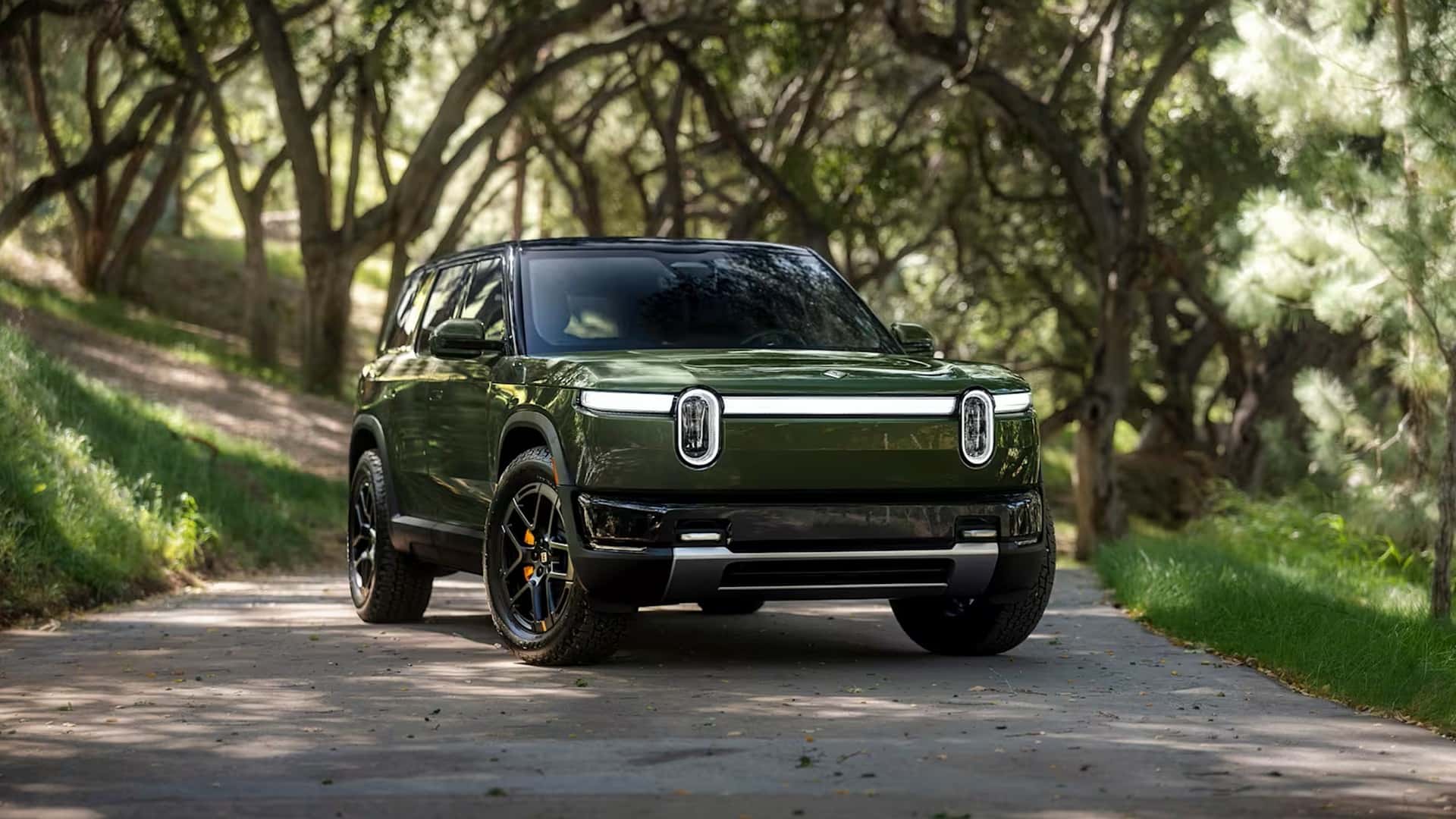
Rivian R2 Faces First Recall Due to Camera Issue
Rivian has issued a recall affecting nearly 99,000 vehicles, including some of its new R2 models,…
18h ago
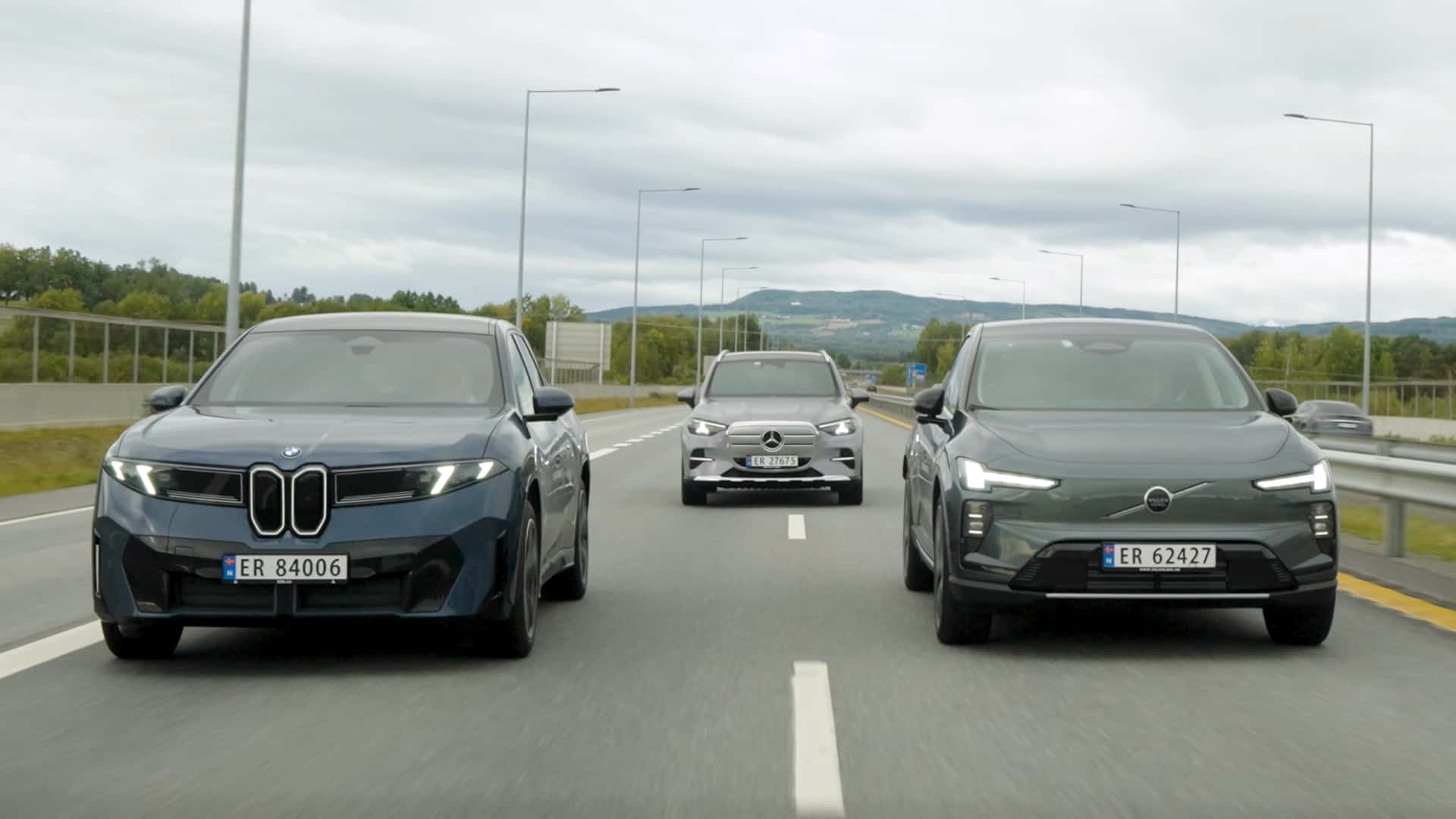
BMW iX3 Outperforms Mercedes GLC and Volvo EX60 in Highway Efficiency Test
In a recent highway test, the BMW iX3 demonstrated superior energy efficiency and range compared to…
1d ago
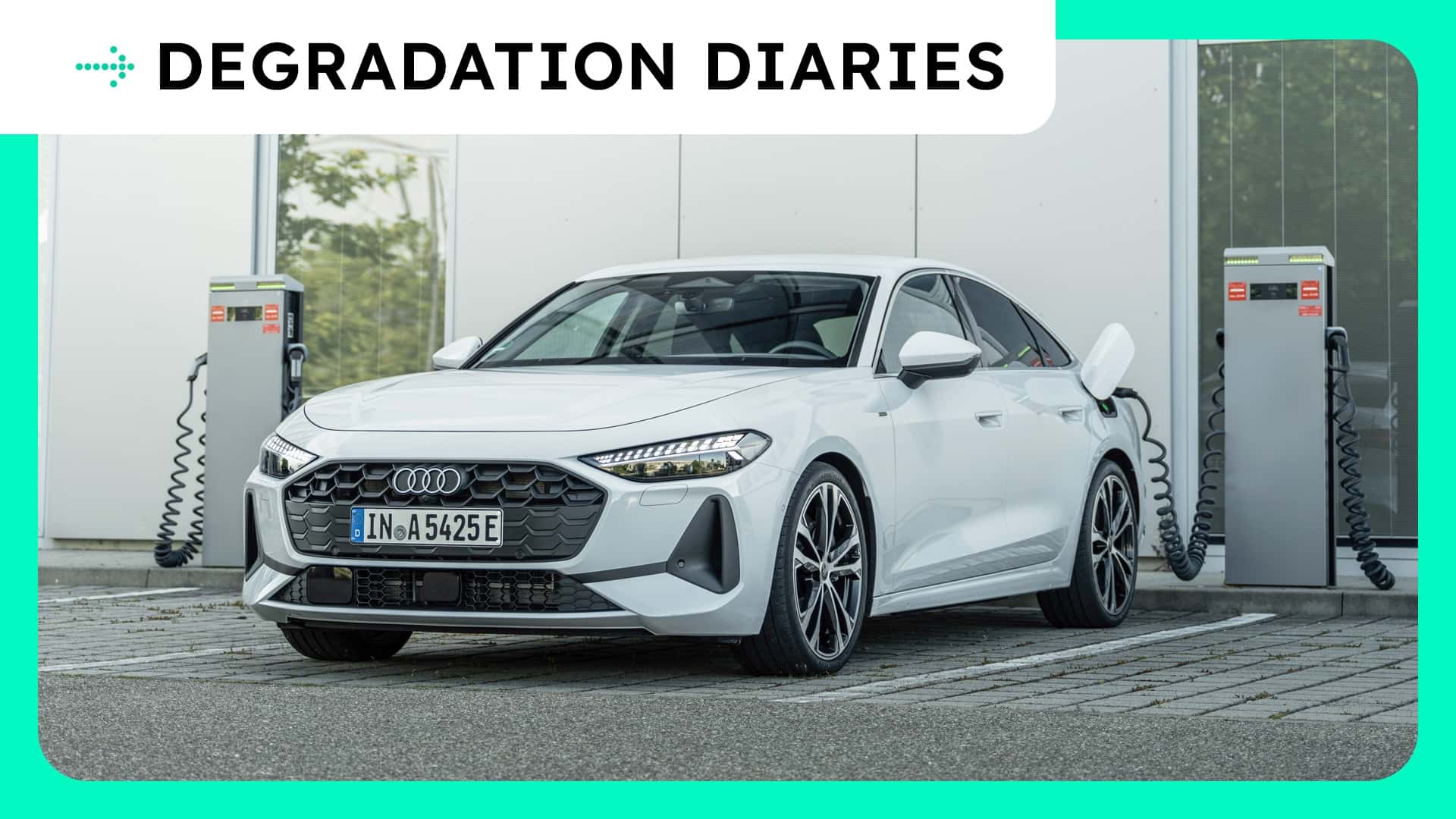
PHEV Batteries Show Resilience Despite Frequent Cycling
Plug-in hybrid electric vehicles (PHEVs) experience more frequent battery cycling than fully…
1d ago