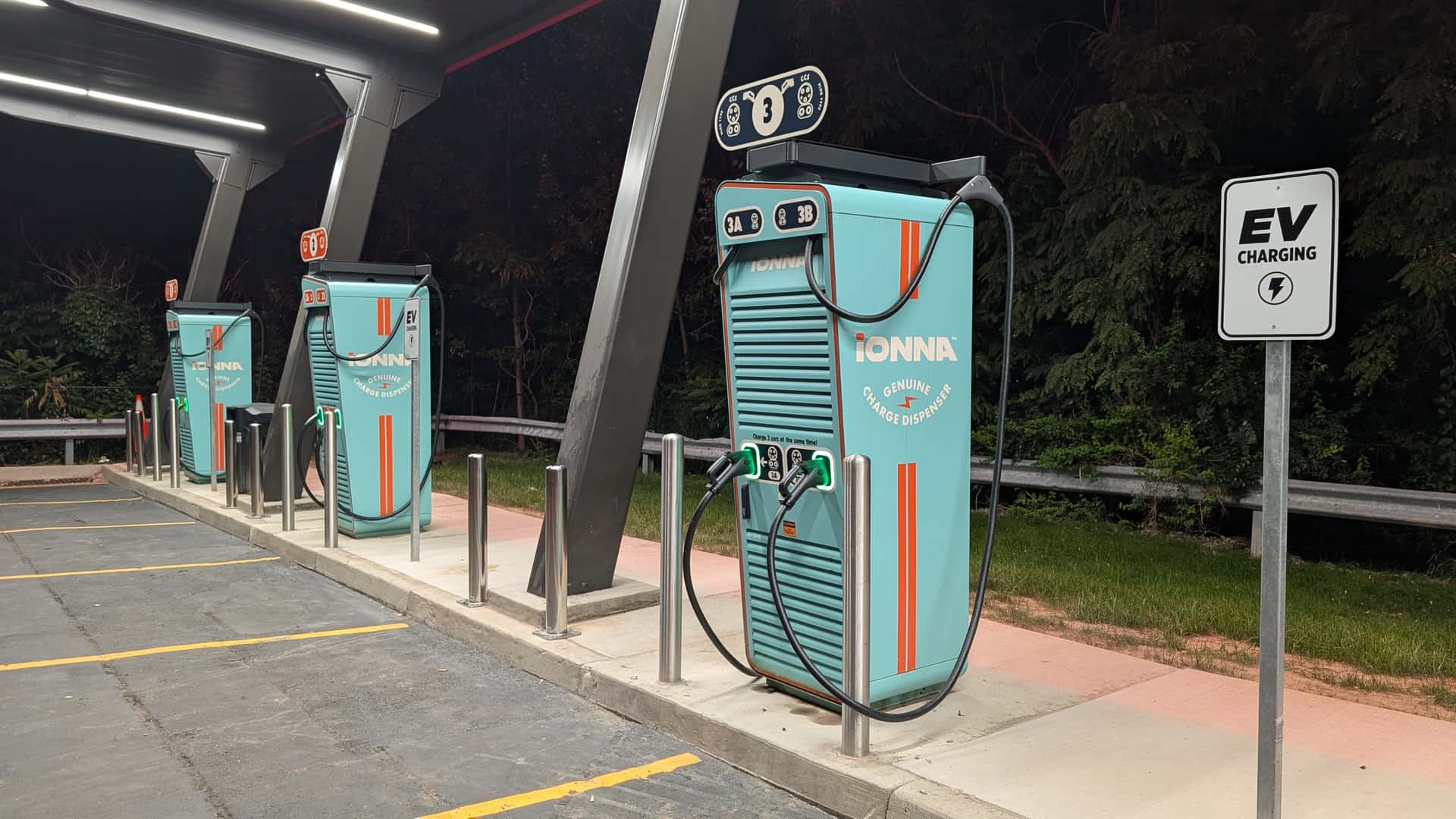
U.S. Adds Over 3,000 EV Fast Charging Plugs in Q1 2026
Updated April 23, 2026
3 min read
1 linked source
In the first quarter of 2026, the United States added over 3,000 new EV fast charging plugs to its infrastructure. This expansion primarily focuses on high-powered charging stations, enhancing the reliability and speed of charging for electric vehicle owners. While this growth is promising, the overall availability of charging stations may still vary by region.
Share this story
Why it matters
- ✓Increased charging options can reduce range anxiety for EV owners, making long-distance travel more feasible.
- ✓High-powered charging stations can significantly decrease charging times, improving the convenience of owning an EV.
- ✓The expansion of fast charging infrastructure may lead to more competitive pricing and better service offerings from charging networks.
Reporting notes
EV Signal briefs are written to explain the verified change first, then add the context EV buyers and owners need to understand cost, availability, charging access, eligibility, or ownership impact.
If details are still developing, we try to say what is confirmed, what comes from secondary reporting, and what readers should verify before acting.
Source mix
1 linked source
1 media
Reviewed from: InsideEVs.
U.S. EV Fast Charging Infrastructure Grows
In a significant development for electric vehicle (EV) owners, the United States has added over 3,000 new fast charging plugs in the first quarter of 2026. This expansion reflects a growing commitment to enhancing the nation's EV charging infrastructure, particularly through the installation of high-powered charging stations.
What Changed
The addition of these fast charging plugs is a crucial step in improving the accessibility and efficiency of EV charging across the country. As networks increasingly prioritize high-powered stalls for new installations, the reliability and speed of charging are set to improve. This change is vital for both current EV owners and potential buyers, as it addresses one of the primary concerns regarding electric vehicle ownership: charging availability.
Why It Matters for Buyers and Owners
The growth in fast charging infrastructure has several implications for EV buyers and owners:
- Reduced Range Anxiety: With more charging options available, EV owners can feel more secure about their ability to travel longer distances without worrying about running out of battery.
- Faster Charging Times: High-powered charging stations can significantly cut down on the time it takes to recharge an EV, making it more convenient for users who need to quickly power up during their travels.
- Competitive Pricing and Services: As the number of fast charging stations increases, competition among charging networks may lead to better pricing and service offerings, ultimately benefiting consumers.
Key Details from Source Material
According to a report from InsideEVs, the expansion of fast charging plugs is part of a broader trend toward enhancing the reliability and speed of EV charging in the U.S. The focus on high-powered stalls indicates a strategic move to meet the growing demand for electric vehicles and to support the transition to cleaner transportation options.
What to Watch Next
While the addition of over 3,000 fast charging plugs is a positive development, it is essential to monitor how this expansion translates into actual charging station availability across different regions. The effectiveness of this infrastructure growth will depend on the distribution of these new charging stations and their accessibility to EV owners. Future reports may provide insights into regional disparities in charging access and how they impact the overall EV market.
As the EV landscape continues to evolve, staying informed about infrastructure developments will be crucial for both current and prospective electric vehicle owners.
Sources
These are the documents and reports used to build this brief so readers can verify the story directly.
- The U.S. Added Over 3,000 EV Fast Charging Plugs In Q1 — InsideEVsMEDIA
Comments
Log in with
Loading comments…
More in Charging
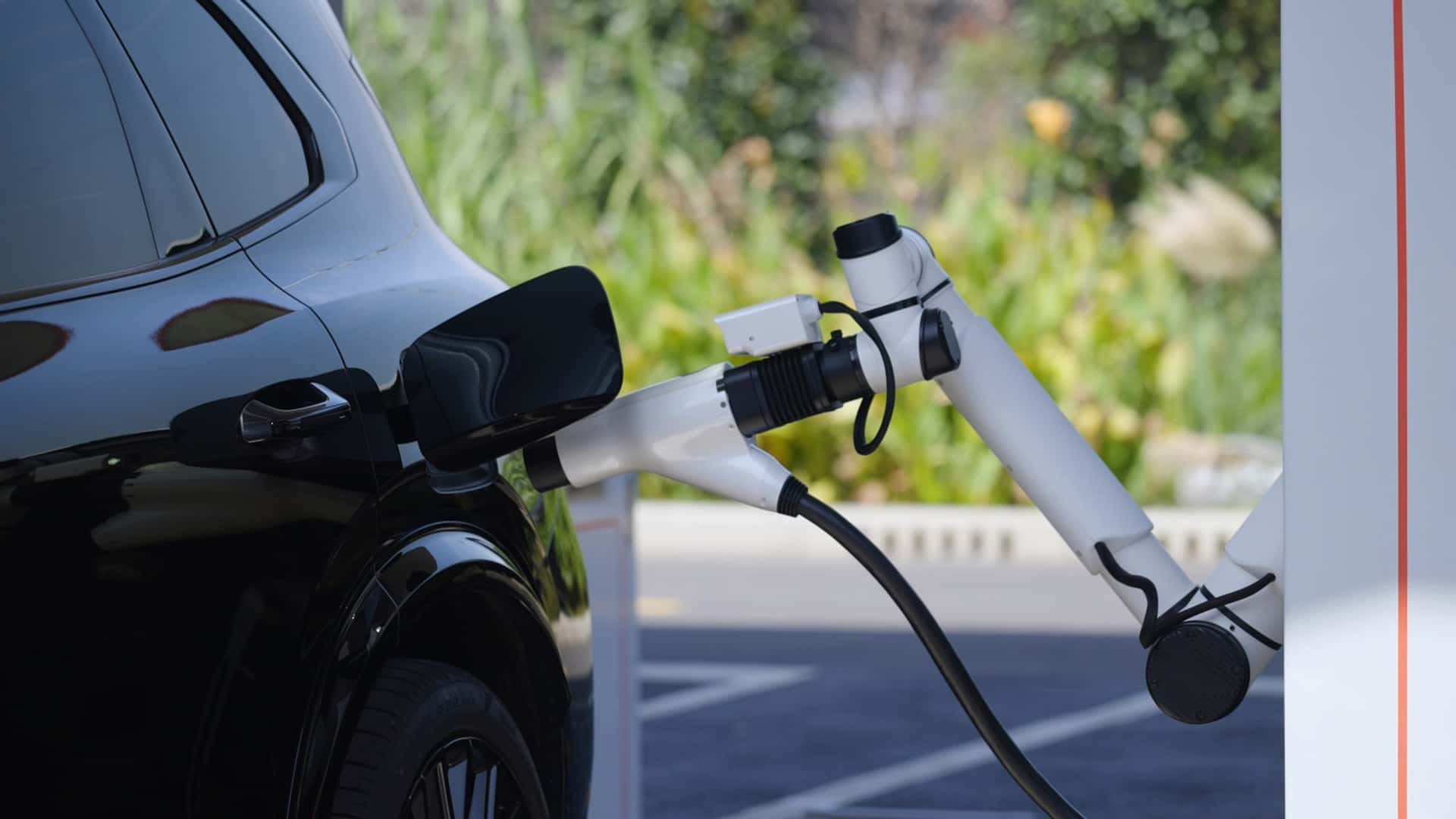
Geely Unveils 2.25 Megawatt EV Charger, Outpacing Competitors
Geely has introduced a new electric vehicle (EV) charger with an impressive output of 2.25…
18h ago
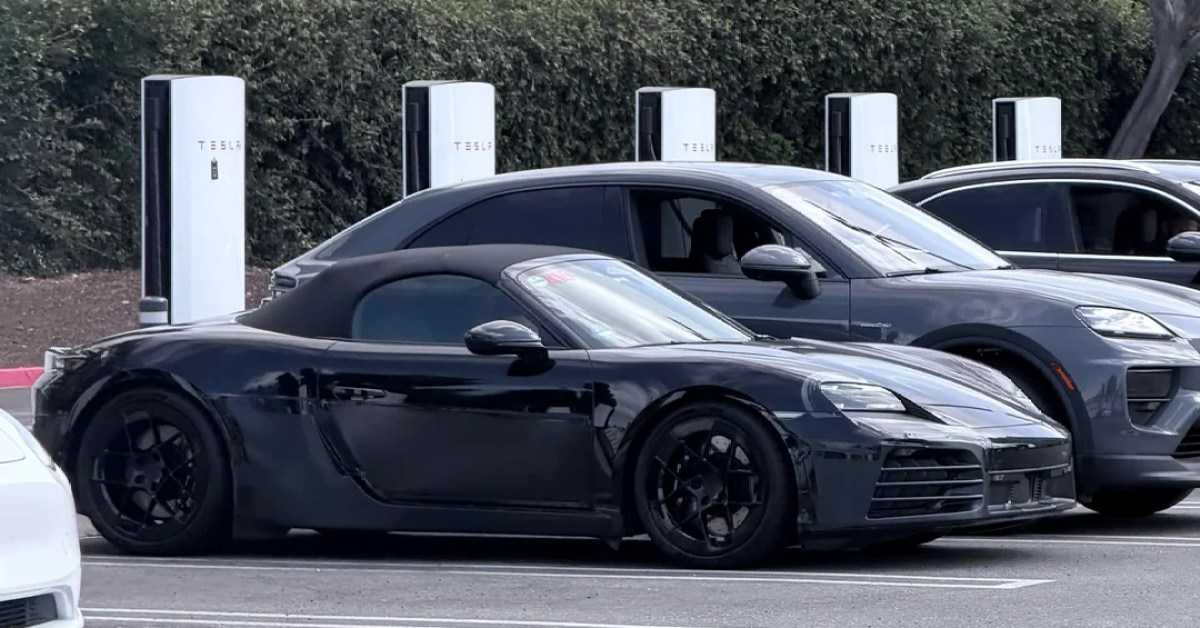
Electric Porsche Boxster Spotted Charging at Tesla Supercharger
An electric version of the Porsche Boxster has been observed charging at a Tesla Supercharger…
1d ago
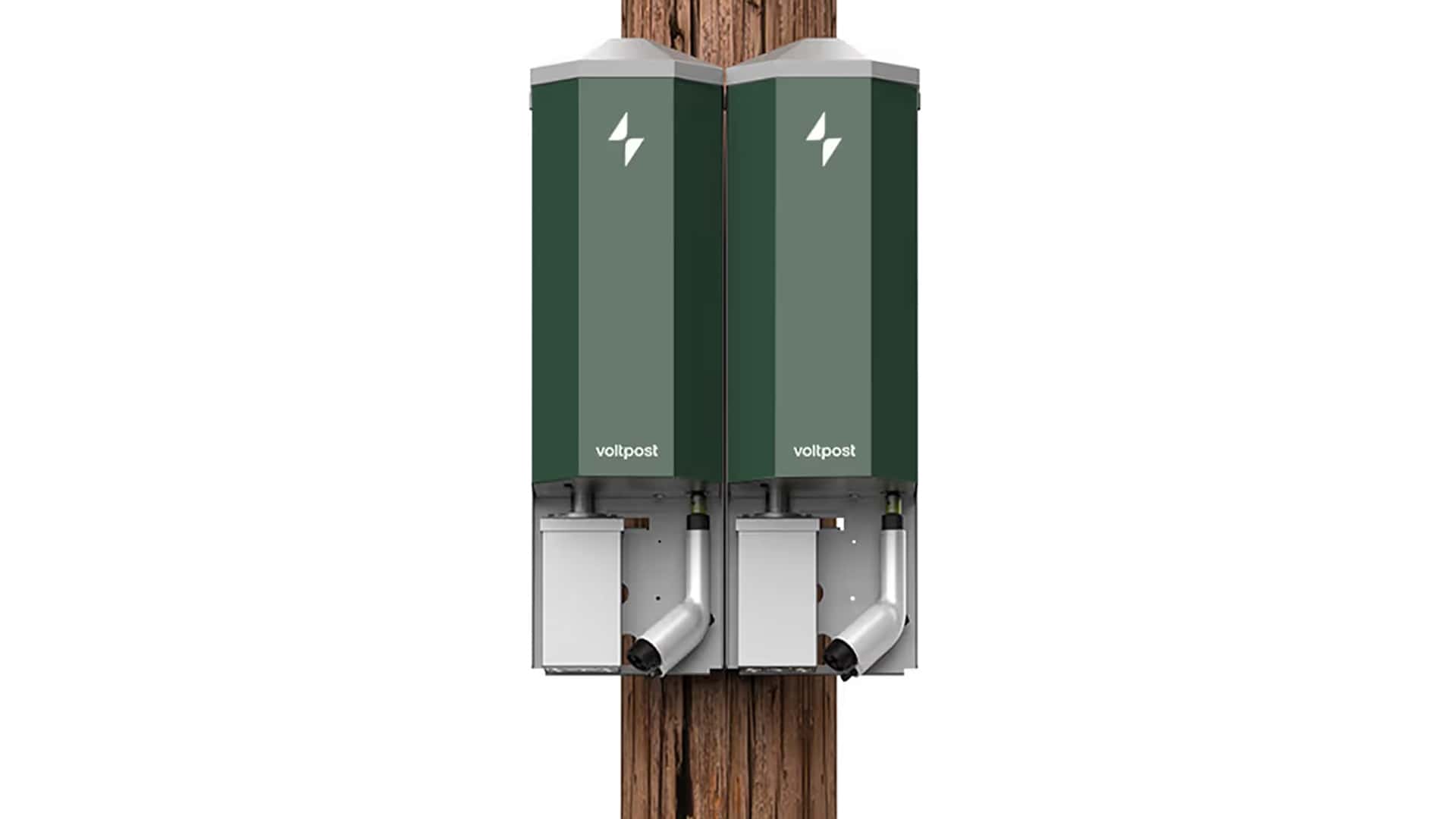
Voltpost Expands Lamppost EV Chargers with Free Top-Ups in Brooklyn
Voltpost has launched over a dozen new lamppost-mounted EV charging ports across New York,…
1d ago

Geely Introduces 2.2MW Charger for 4-Minute EV Charging
Geely has announced a new electric car battery and charging system that enables charging times of…
2d ago