
Toyota Hino Unveils New Le Series Electric MD Trucks at ACT Expo
Updated May 6, 2026
3 min read
1 linked source
Toyota's subsidiary Hino Trucks has introduced the all-electric Le Series of medium-duty commercial trucks at the ACT Expo. This new line aims to provide a sustainable transportation solution for commercial applications, boasting a gross vehicle weight rating (GVWR) significantly higher than traditional small vehicles. Further details on pricing and availability are yet to be confirmed.
Share this story
Why it matters
- ✓The introduction of the Le Series expands the options for businesses looking to transition to electric medium-duty trucks, potentially lowering operational costs.
- ✓With a higher GVWR, these trucks can cater to a wider range of commercial applications, enhancing their utility for fleet operators.
- ✓As electric vehicle infrastructure continues to grow, the Le Series could benefit from improved charging access, making it easier for businesses to adopt electric solutions.
Reporting notes
EV Signal briefs are written to explain the verified change first, then add the context EV buyers and owners need to understand cost, availability, charging access, eligibility, or ownership impact.
If details are still developing, we try to say what is confirmed, what comes from secondary reporting, and what readers should verify before acting.
Source mix
1 linked source
1 media
Reviewed from: Electrek.
Introduction of the Le Series
Toyota Hino has officially launched its new all-electric Le Series of medium-duty commercial trucks at the ACT Expo. This innovative line aims to provide sustainable transportation solutions for businesses, marking a significant step in the evolution of electric commercial vehicles.
What Changed
The Le Series trucks are designed to meet the growing demand for electric vehicles in the commercial sector. With a gross vehicle weight rating (GVWR) that is nearly sixteen times that of the Renault Le Car, these trucks are positioned to handle a variety of commercial tasks while reducing emissions.
Why It Matters for Buyers and Owners
The introduction of the Le Series is significant for several reasons:
- Operational Cost Savings: Businesses may see reduced fuel and maintenance costs by transitioning to electric medium-duty trucks, making them more economical in the long run.
- Increased Utility: With a higher GVWR, the Le Series trucks can accommodate larger loads, making them suitable for a wider range of commercial applications.
- Infrastructure Development: As the electric vehicle charging infrastructure continues to expand, the Le Series is likely to benefit from improved access to charging stations, facilitating easier adoption for fleet operators.
Key Details from Source Material
According to Electrek, the Le Series trucks are part of Hino's commitment to sustainability and innovation in the commercial vehicle sector. While specific details regarding pricing and availability have not yet been disclosed, the introduction of this new electric line indicates a strategic move towards electrification in medium-duty trucking.
What to Watch Next
As the launch of the Le Series unfolds, potential buyers and fleet operators should keep an eye out for further announcements regarding pricing, specifications, and availability. Additionally, updates on charging infrastructure improvements will be crucial for assessing the practicality of adopting these new electric trucks in commercial operations.
In conclusion, the debut of the Le Series by Toyota Hino at the ACT Expo represents a pivotal moment for electric medium-duty trucks, promising to enhance the sustainability and efficiency of commercial transportation.
Sources
These are the documents and reports used to build this brief so readers can verify the story directly.
- Toyota Hino debut new Le Series electric MD trucks at ACT Expo — ElectrekMEDIA
Comments
Log in with
Loading comments…
More in Models & Pricing
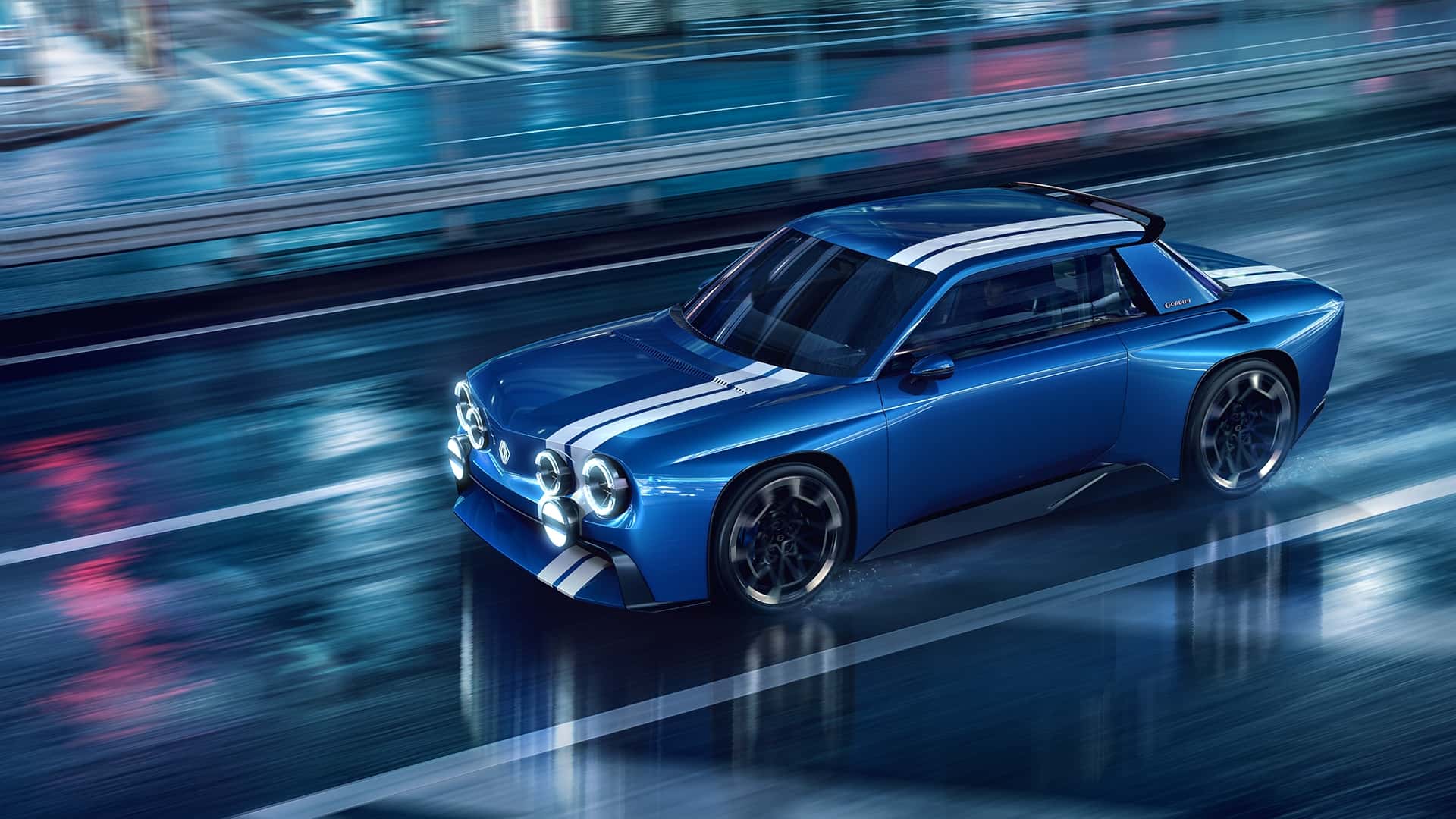
Renault 8 Gordini Returns as Rear-Wheel Drive EV
Renault has unveiled the return of the iconic Renault 8 Gordini as a rear-wheel drive electric…
Just now
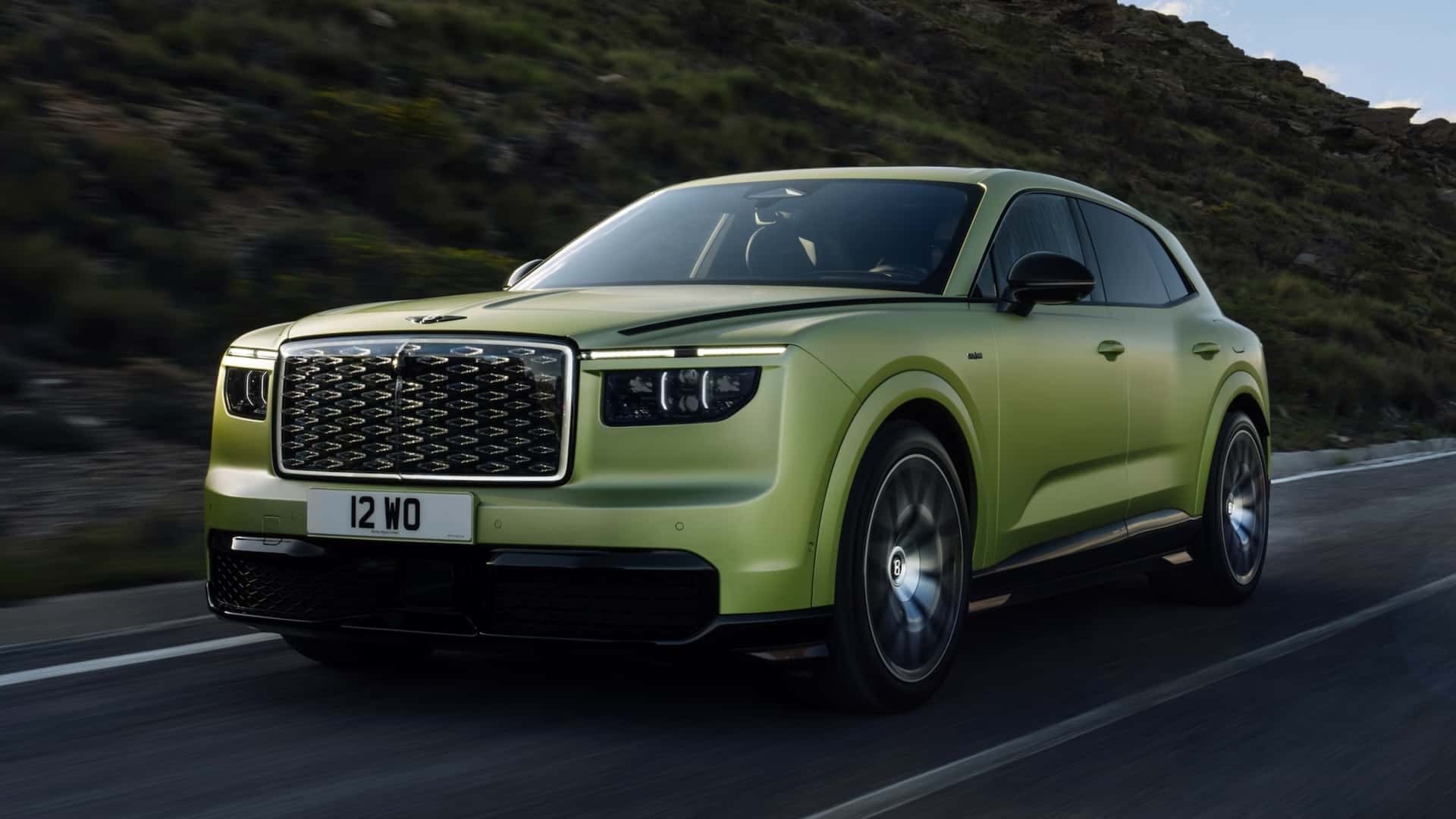
Bentley's First EV, the Torcal, Offers Rapid Charging Capabilities
Bentley has launched its first electric vehicle, the Torcal, a midsize SUV that boasts rapid…
12h ago
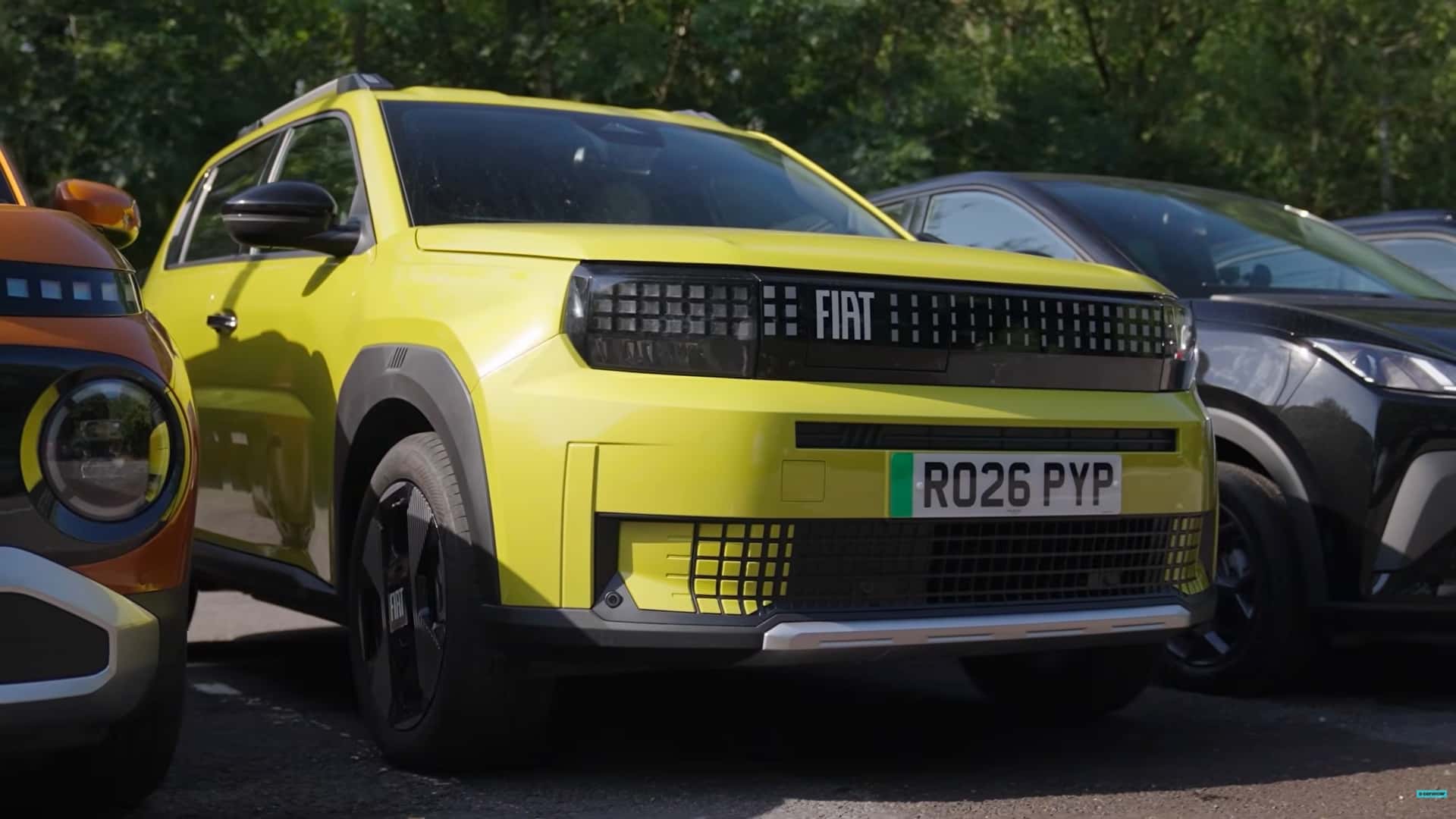
Fiat Grande Panda Outperforms Claimed Range in Real-World Test
In a recent highway range test, the Fiat Grande Panda exceeded its officially claimed range,…
12h ago
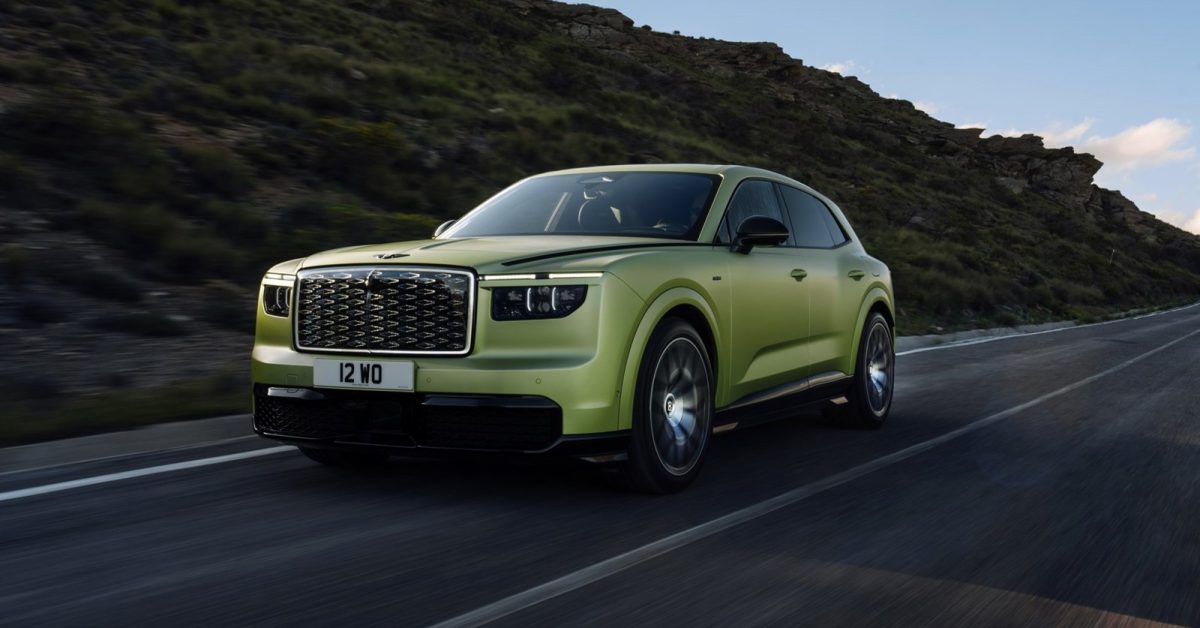
Bentley Launches Torcal, Its First All-Electric SUV
Bentley has officially unveiled the Torcal, marking its entry into the electric vehicle market.…
12h ago