
Honda Cancels $11B EV Factory in Canada Amidst Electrification Retreat
Updated May 6, 2026
3 min read
1 linked source
Honda has officially shelved its plans for a C$15 billion ($11 billion) electric vehicle and battery manufacturing facility in Ontario, Canada. This decision marks a significant shift in the company's strategy towards electrification, following previous cancellations of key EV models and a substantial financial writedown.
Share this story
Why it matters
- ✓The cancellation of the factory may lead to reduced availability of Honda's future electric vehicles, impacting potential buyers in North America.
- ✓Honda's retreat from electrification could affect competition in the EV market, potentially leading to higher prices and fewer options for consumers.
- ✓The decision raises concerns about Honda's commitment to EV technology, which could influence consumer confidence in its future electric offerings.
Reporting notes
EV Signal briefs are written to explain the verified change first, then add the context EV buyers and owners need to understand cost, availability, charging access, eligibility, or ownership impact.
If details are still developing, we try to say what is confirmed, what comes from secondary reporting, and what readers should verify before acting.
Source mix
1 linked source
1 media
Reviewed from: Electrek.
Honda Shelves $11B EV Factory in Canada
Honda has officially shelved its plans for a C$15 billion ($11 billion) electric vehicle (EV) and battery manufacturing hub in Ontario, Canada. This decision, reported by Nikkei, escalates what was initially described as a temporary pause into what appears to be an indefinite retreat from the company's electrification strategy.
What Changed
The cancellation of the Ontario factory represents a significant shift in Honda's approach to electric vehicles. This decision follows a series of setbacks for the company, including a C$15.7 billion writedown and the cancellation of three key EV models intended for the U.S. market. Additionally, Honda has ended its partnership with Sony regarding the Afeela EV brand, further indicating a retreat from its previously ambitious electrification plans.
Why It Matters for Buyers and Owners
The shelving of Honda's EV factory has several implications for current and prospective EV buyers:
- Reduced Availability: The cancellation of the factory may lead to fewer electric vehicle options from Honda in the future, limiting choices for consumers looking to purchase EVs.
- Market Competition: Honda's retreat could impact competition in the EV market, potentially leading to higher prices and fewer alternatives for buyers as the company steps back from the electrification race.
- Consumer Confidence: The decision raises questions about Honda's long-term commitment to electric vehicles, which may affect consumer confidence in the brand's future EV offerings.
Key Details from Source Material
According to the report from Electrek, Honda's decision to shelve the factory is part of a broader trend of withdrawal from electrification. The company has already faced significant financial challenges, including a substantial writedown, and has canceled plans for key EV models in the U.S. market. The end of the partnership with Sony for the Afeela brand further underscores Honda's shifting priorities away from electric vehicle development.
What to Watch Next
As Honda's electrification strategy continues to evolve, it will be important to monitor any future announcements regarding their plans for electric vehicles. The company's commitment to EV technology and its ability to compete in the growing electric vehicle market will be critical factors for consumers to consider. Additionally, any updates on Honda's financial health and strategic direction will provide further insight into the company's future in the EV space.
Sources
These are the documents and reports used to build this brief so readers can verify the story directly.
Comments
Log in with
Loading comments…
More in Models & Pricing
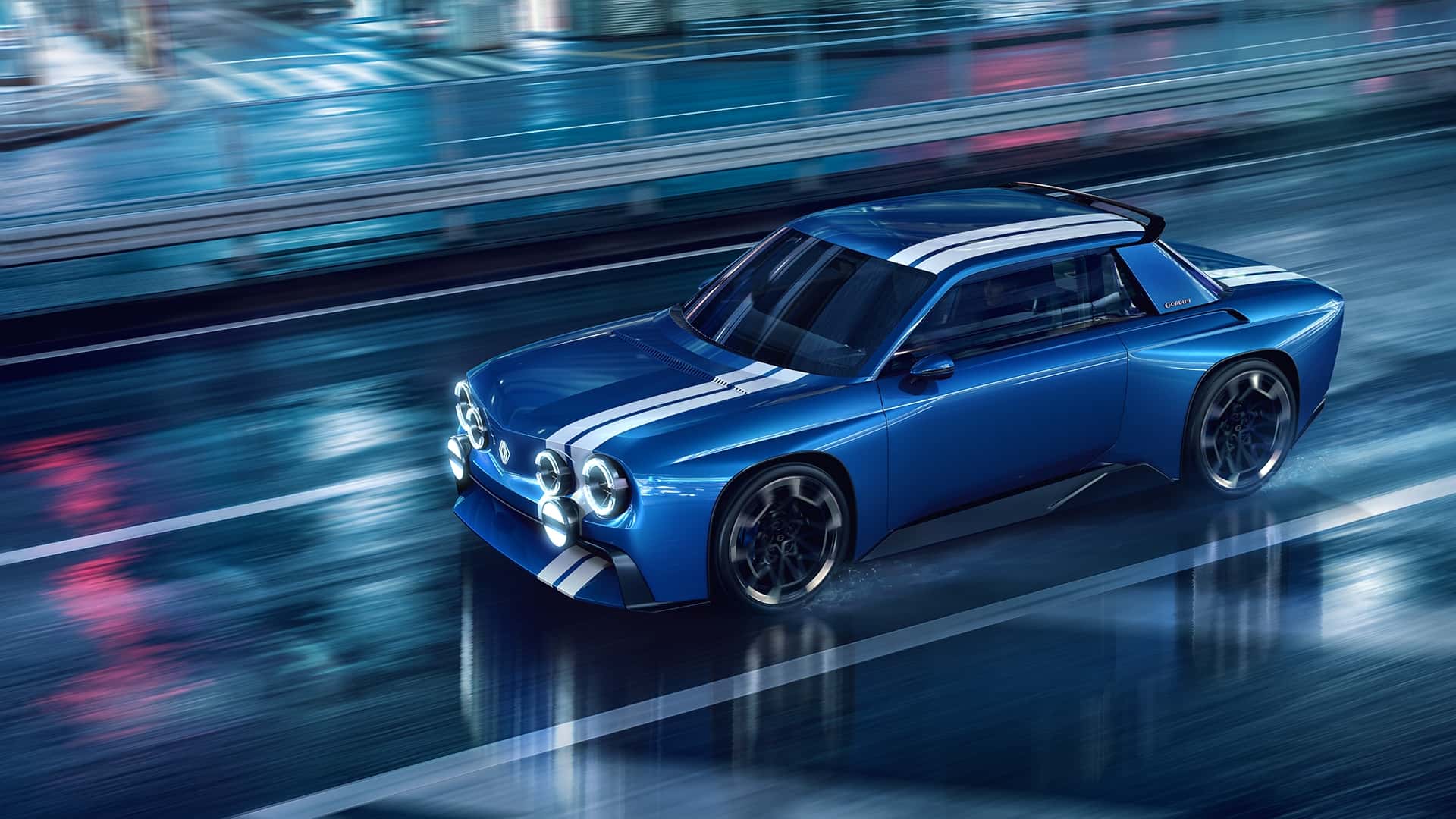
Renault 8 Gordini Returns as Rear-Wheel Drive EV
Renault has unveiled the return of the iconic Renault 8 Gordini as a rear-wheel drive electric…
Just now
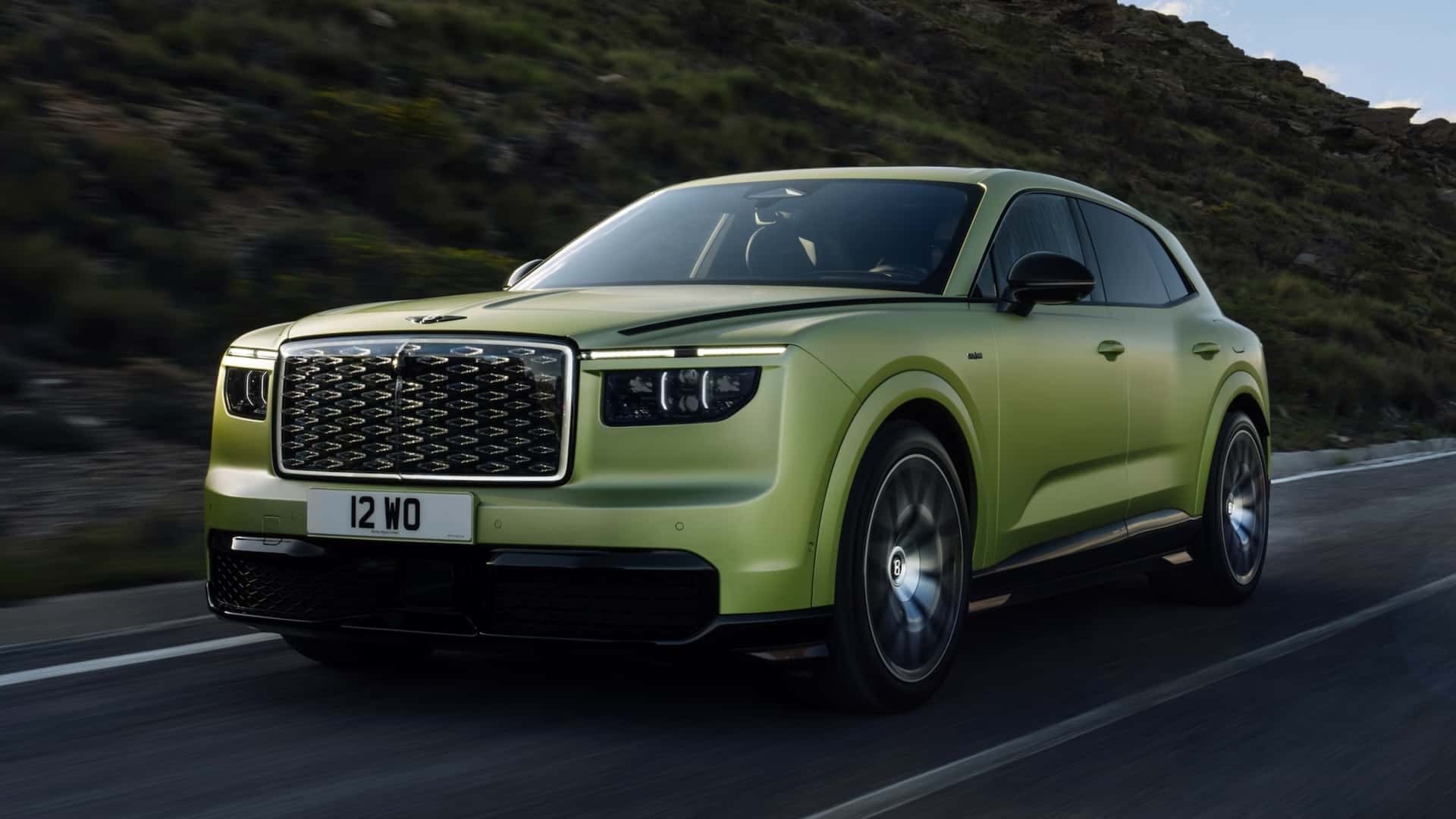
Bentley's First EV, the Torcal, Offers Rapid Charging Capabilities
Bentley has launched its first electric vehicle, the Torcal, a midsize SUV that boasts rapid…
12h ago
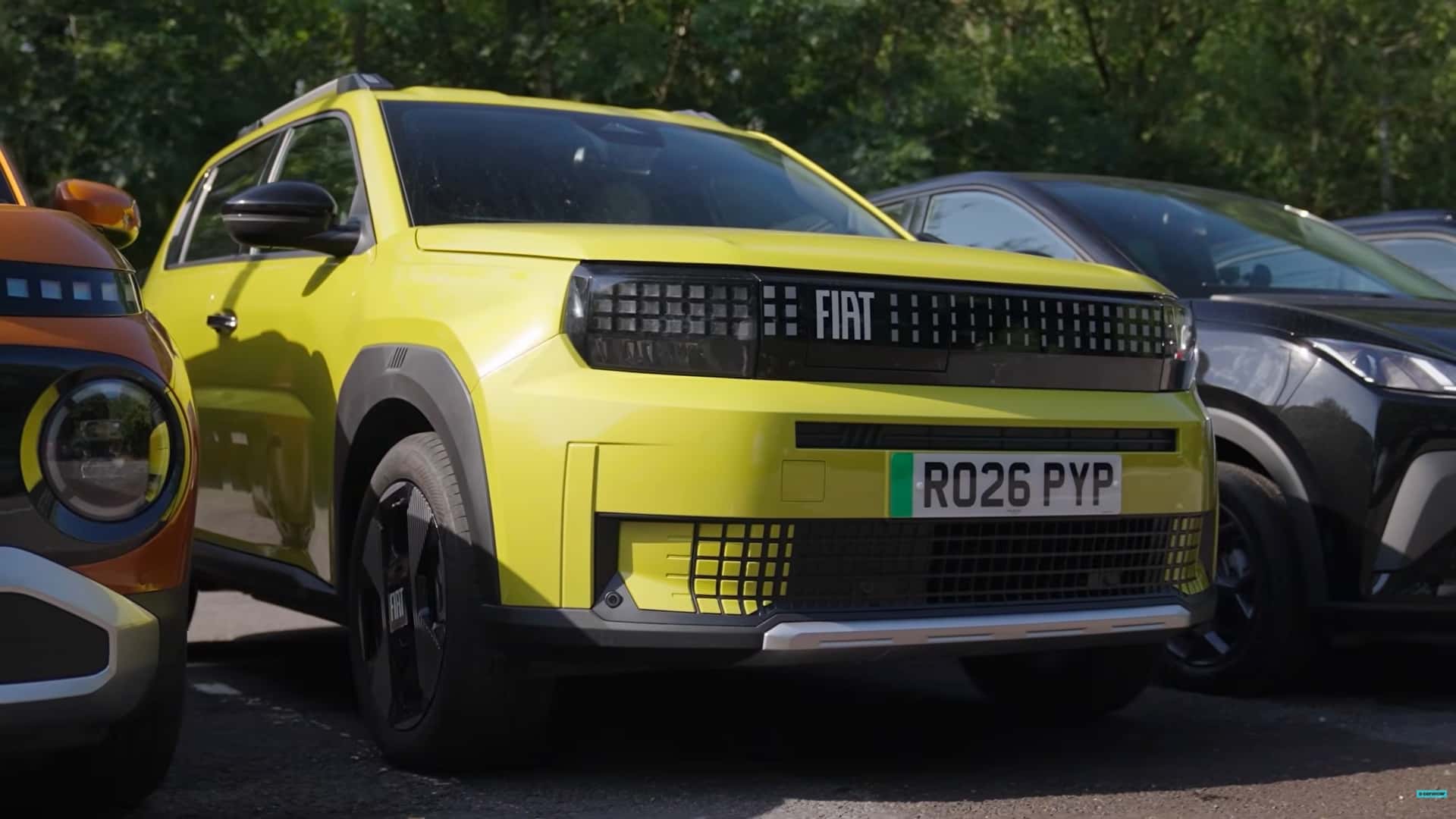
Fiat Grande Panda Outperforms Claimed Range in Real-World Test
In a recent highway range test, the Fiat Grande Panda exceeded its officially claimed range,…
12h ago
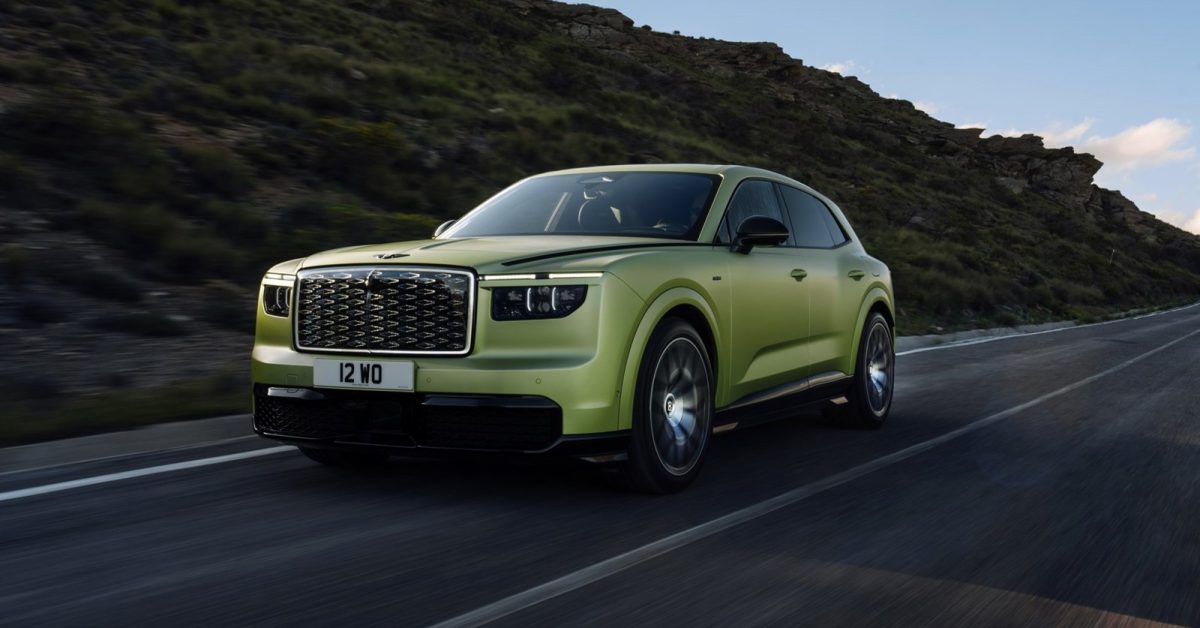
Bentley Launches Torcal, Its First All-Electric SUV
Bentley has officially unveiled the Torcal, marking its entry into the electric vehicle market.…
12h ago