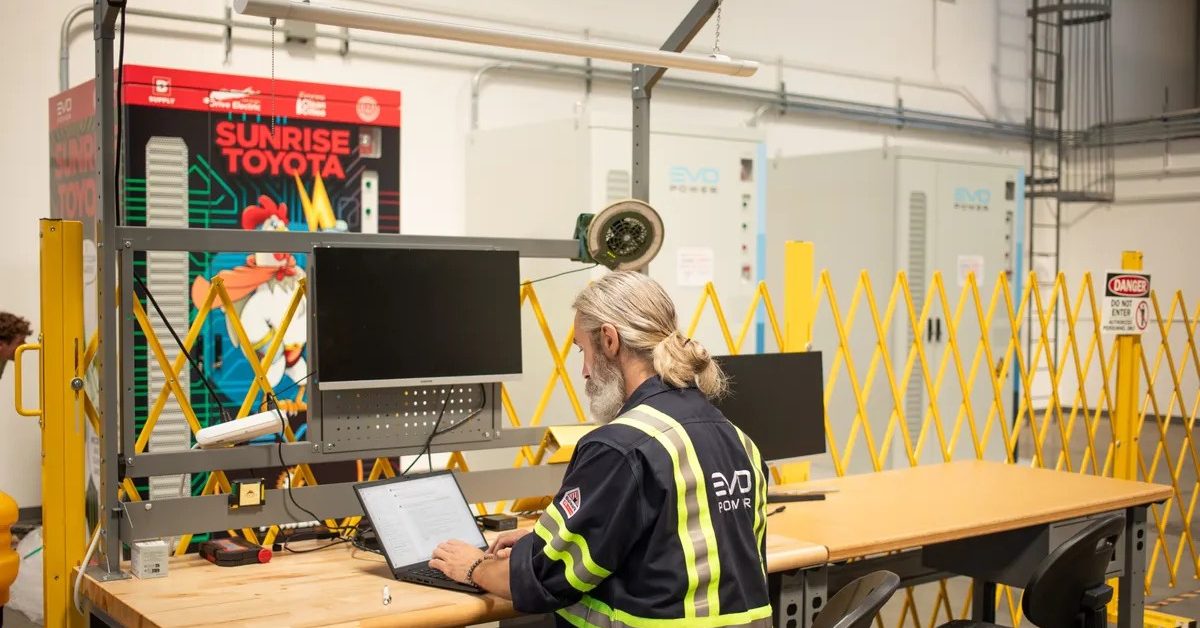
Toyota Dealer Reduces Energy Costs by 55% with Solar and AI Management
Updated September 1, 2026
3 min read
1 linked source
A Toyota dealership on Long Island has successfully reduced its energy costs by an average of 55% over three months by integrating solar energy, battery storage, DC fast chargers, and AI-powered energy management systems. This significant reduction in energy expenses could influence operational costs for dealerships and potentially impact pricing for EV buyers. However, the specific methods and technologies used may not be widely applicable to all dealerships.
Share this story
Why it matters
- ✓Lower energy costs could lead to reduced operational expenses for dealerships, potentially translating to better pricing for EV buyers.
- ✓The integration of renewable energy and advanced management systems may encourage other dealerships to adopt similar practices, increasing the availability of fast charging options.
- ✓The use of AI in energy management could enhance the efficiency of charging stations, improving the overall charging experience for EV owners.
Reporting notes
EV Signal briefs are written to explain the verified change first, then add the context EV buyers and owners need to understand cost, availability, charging access, eligibility, or ownership impact.
If details are still developing, we try to say what is confirmed, what comes from secondary reporting, and what readers should verify before acting.
Source mix
1 linked source
1 media
Reviewed from: Electrek.
Toyota Dealer Cuts Energy Costs by 55%
A Toyota dealer on Long Island has achieved a remarkable reduction in energy costs, cutting expenses by an average of 55% over a three-month period. This significant change has been made possible through the integration of solar energy systems, battery storage, DC fast chargers, and AI-powered energy management solutions.
What Changed
The dealership's innovative approach combines renewable energy sources with advanced technology to manage energy consumption more effectively. By harnessing solar power and utilizing battery storage, the dealer can optimize energy use throughout the day, even during peak hours. The addition of DC fast chargers allows for rapid EV charging, which is essential for customer satisfaction and operational efficiency.
Why It Matters for Buyers/Owners
The implications of this energy cost reduction extend beyond the dealership itself. Here are a few key points on how this could affect EV buyers and owners:
- Potential Cost Savings: If dealerships can lower their operational costs through energy savings, there may be an opportunity for these savings to be passed on to consumers in the form of more competitive pricing on electric vehicles.
- Increased Charging Access: As more dealerships adopt similar energy management practices, the availability of fast charging stations may increase, providing EV owners with more convenient charging options.
- Enhanced Charging Experience: The use of AI in managing energy resources can lead to improved efficiency at charging stations, potentially reducing wait times and enhancing the overall experience for EV users.
Key Details from Source Material
According to Electrek, the dealership's success demonstrates the viability of integrating renewable energy and smart technology in the automotive retail space. The combination of solar panels, battery storage, and AI not only reduces energy costs but also positions the dealership as a forward-thinking leader in the EV market. This model could serve as a blueprint for other dealerships looking to improve their energy efficiency and customer service.
What to Watch Next
As this story develops, it will be important to monitor whether other dealerships follow suit and adopt similar technologies. Additionally, the long-term sustainability of these energy savings and their impact on vehicle pricing will be crucial to understand. If more dealerships implement these strategies, it could signify a broader shift in the automotive industry towards sustainability and efficiency, benefiting both consumers and the environment.
Sources
These are the documents and reports used to build this brief so readers can verify the story directly.
Comments
Log in with
Loading comments…
More in Charging
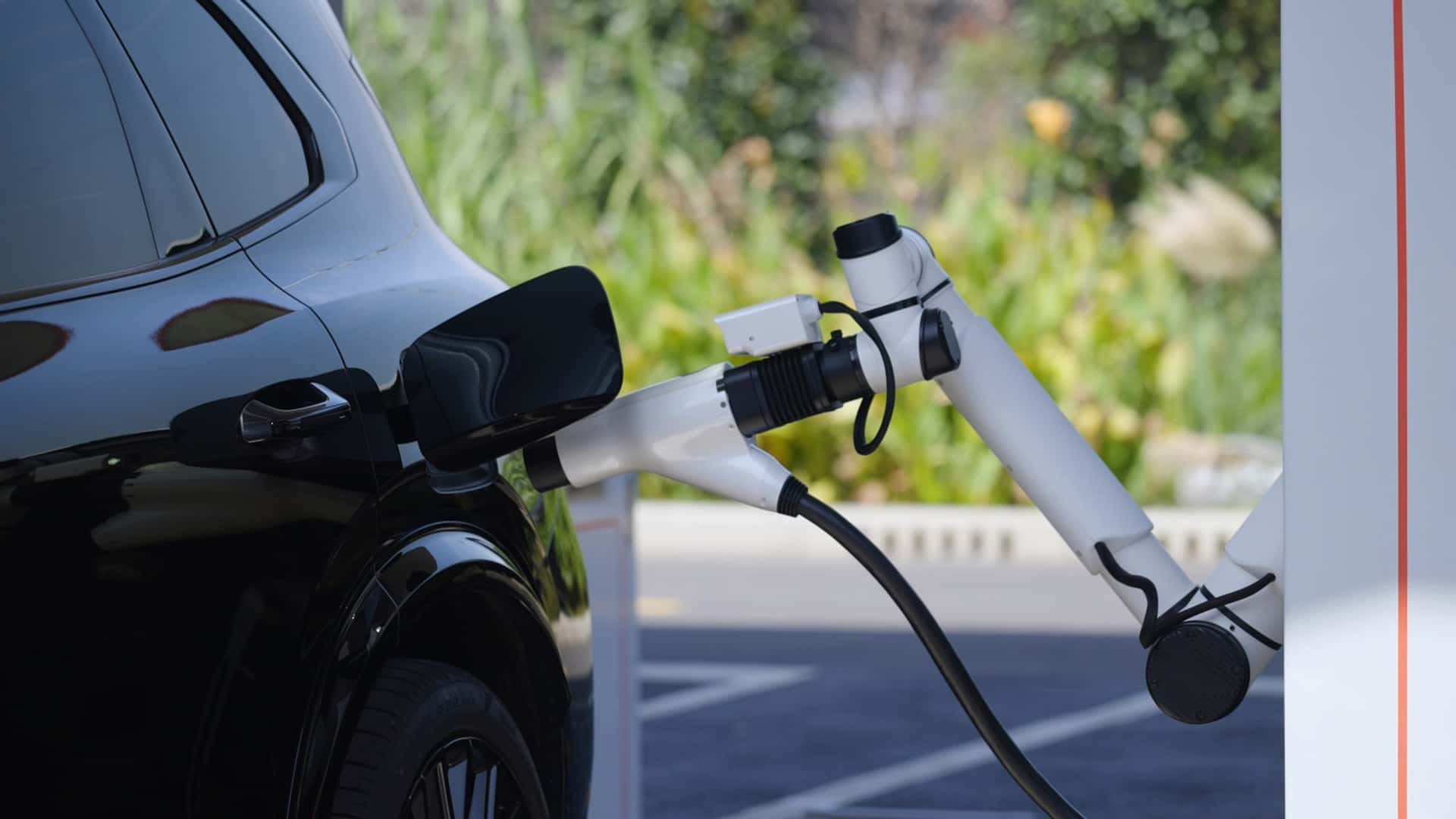
Geely Unveils 2.25 Megawatt EV Charger, Outpacing Competitors
Geely has introduced a new electric vehicle (EV) charger with an impressive output of 2.25…
19h ago
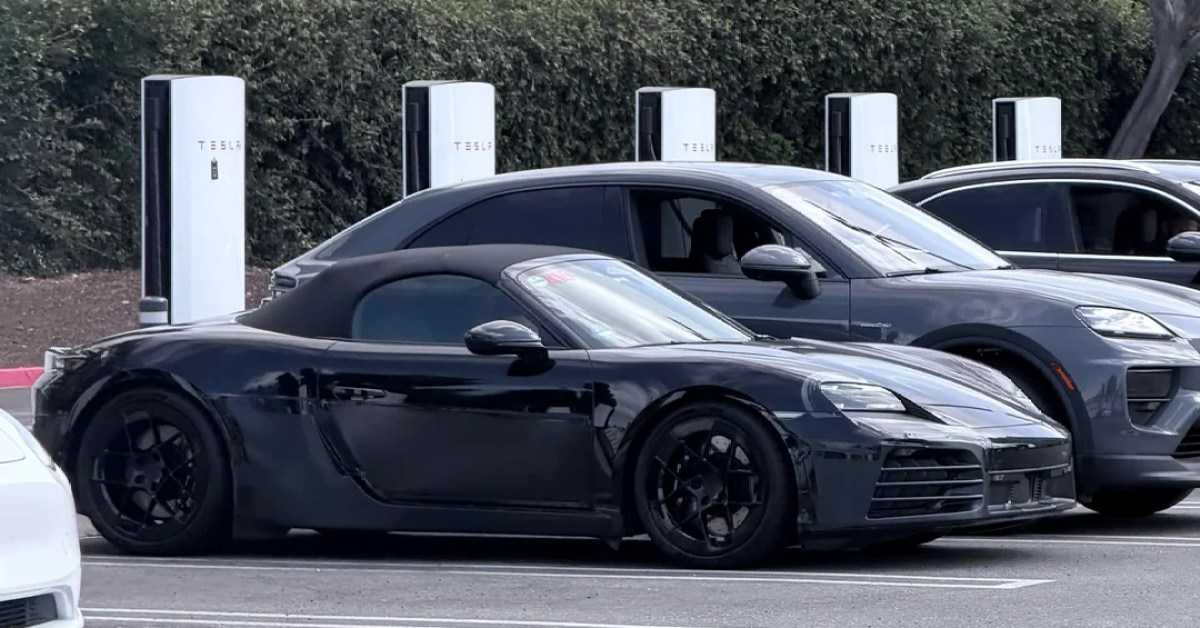
Electric Porsche Boxster Spotted Charging at Tesla Supercharger
An electric version of the Porsche Boxster has been observed charging at a Tesla Supercharger…
1d ago
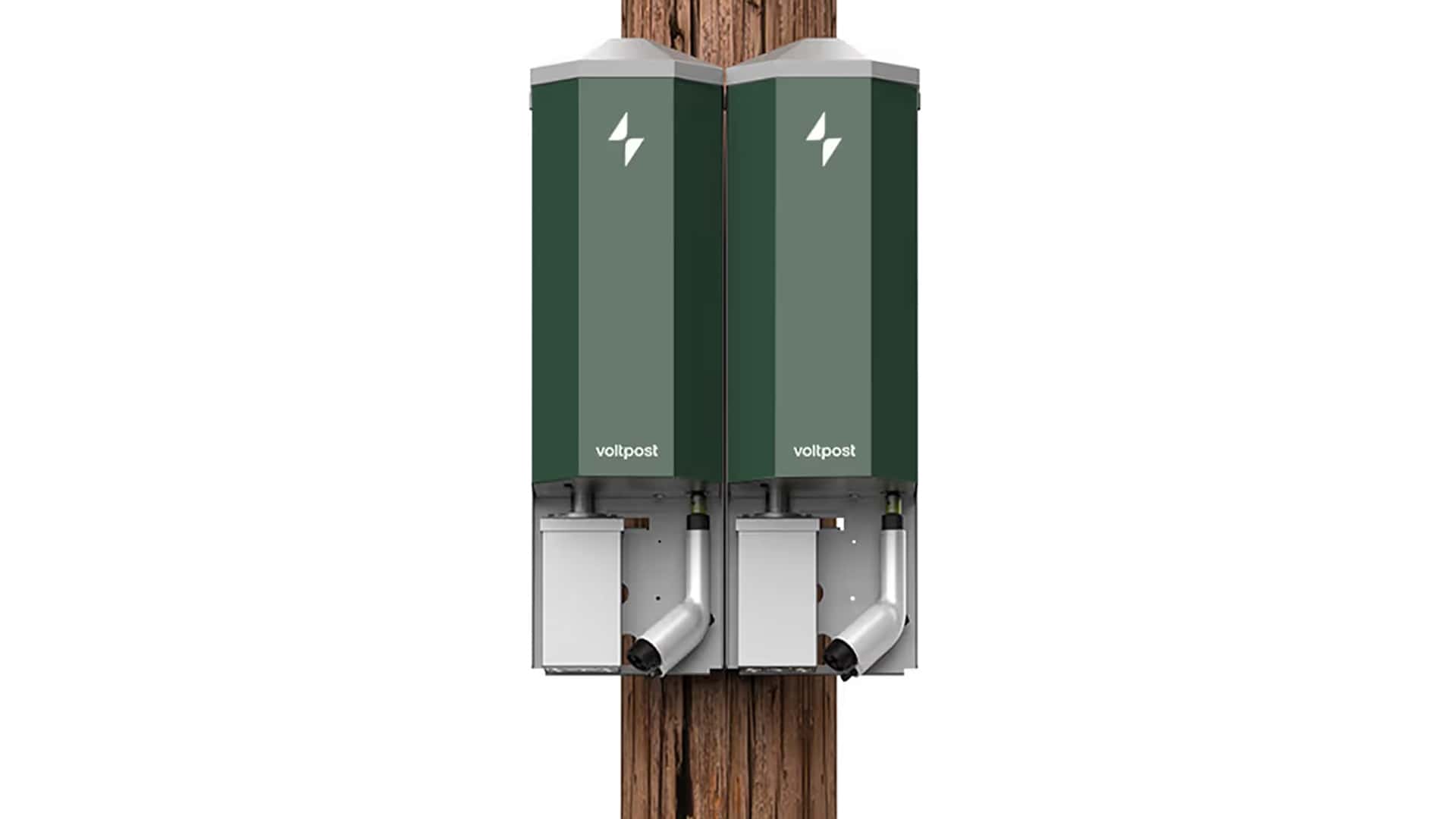
Voltpost Expands Lamppost EV Chargers with Free Top-Ups in Brooklyn
Voltpost has launched over a dozen new lamppost-mounted EV charging ports across New York,…
1d ago

Geely Introduces 2.2MW Charger for 4-Minute EV Charging
Geely has announced a new electric car battery and charging system that enables charging times of…
2d ago