The Shift in Climate Free Riding Economics
The dynamics of national self-interest in climate action have shifted, making it less viable for countries to rely on others for emissions reductions while continuing to use fossil fuels. This change affects global climate policy and could lead to more aggressive emissions reduction strategies. However, the full implications for individual countries and their policies remain uncertain.

Key takeaways
30-second read- 1As countries adopt more stringent climate policies, EV incentives may become more robust, potentially lowering costs for buyers.
- 2Increased competition for low-carbon technologies could lead to better charging infrastructure and availability.
- 3The shift may influence the overall cost of ownership for EVs as fossil fuel reliance decreases.
Confirmed
No official source linked yet
Reported
Secondary reporting: CleanTechnica
Verify yourself
Eligibility, local prices and dates for your car, state or utility
The Shift in Climate Free Riding Economics
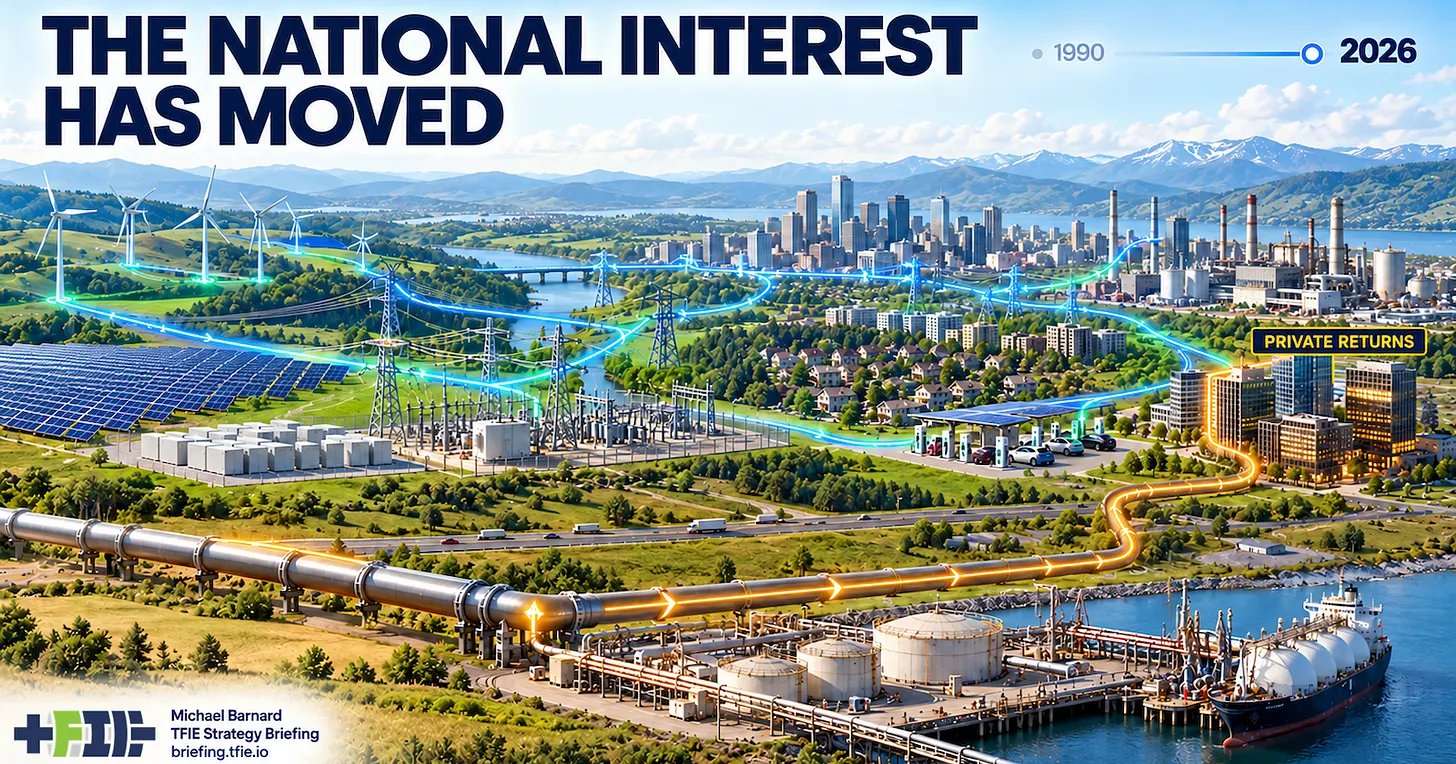
The economics surrounding climate free riding have undergone a significant transformation, making it increasingly difficult for nations to ignore their role in global emissions reductions. Historically, countries could benefit from the efforts of others while maintaining their reliance on fossil fuels. However, as low-carbon alternatives become more accessible and affordable, this dynamic is changing.
What Changed
For a long time, nations could justify inaction on climate change by allowing other countries to invest in emissions reductions while continuing to utilize coal, oil, and gas domestically. This approach was feasible when low-carbon technologies were expensive or not widely available. However, the current landscape is shifting. The costs of renewable energy sources have decreased significantly, and the technology has matured, making it less justifiable for countries to free ride on the efforts of others.
Why It Matters for Buyers and Owners
The implications of this shift in climate economics are particularly relevant for electric vehicle (EV) buyers and owners:
- Increased Incentives: As countries recognize the need for collective action, we may see enhanced incentives for EV purchases, making them more affordable for consumers.
- Improved Infrastructure: A greater commitment to emissions reductions could lead to investments in charging infrastructure, making it easier for EV owners to charge their vehicles and increasing overall accessibility.
- Cost of Ownership: As fossil fuel reliance diminishes and more countries adopt stringent climate policies, the overall cost of owning an EV could decrease, benefiting consumers in the long run.
Key Details from Source Material
According to CleanTechnica, the previous era where national self-interest and climate action diverged is becoming less tenable. Countries are now facing pressure to align their domestic policies with global climate goals. This shift is driven by the recognition that climate change is a global issue that requires coordinated action. The economic rationale for free riding is weakening as the benefits of investing in low-carbon technologies become clearer.
What to Watch Next
While the shift in climate free riding economics is evident, the specific impacts on national policies and individual countries remain to be seen. Key areas to monitor include:
- Government Policies: Watch for announcements regarding new incentives or regulations aimed at promoting EV adoption and reducing emissions.
- Market Response: Keep an eye on how the automotive market adapts to these changes, particularly regarding the availability and pricing of EVs.
- Technological Advancements: Follow developments in low-carbon technologies that could further influence the economics of EV ownership and charging infrastructure.
In conclusion, the changing economics of climate free riding signal a potential turning point in global climate policy. For EV buyers and owners, this could mean more favorable conditions for adopting electric vehicles, but the full scope of these changes will unfold in the coming years.
Sources
1 media- [1]The Economics Of Climate Free Riding Have ChangedMedia
CleanTechnica · cleantechnica.com · published Oct 20
Newsletter
Weekly EV signal. No spam.
Comments
Log in with
Loading comments…