US Midterm Elections Highlight Voter Preferences
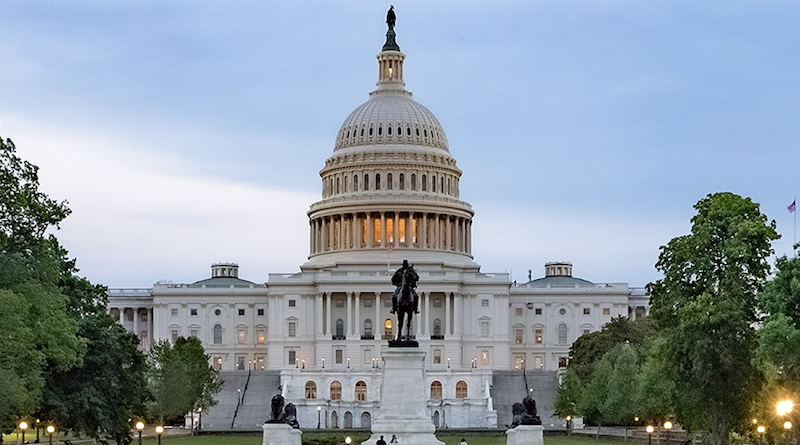
The recent US midterm election results indicate that Democrats are expected to win the national popular vote in House races by approximately 13 percentage points. This outcome suggests a strong voter demand for leaders who prioritize democratic values. The implications for EV policies remain uncertain as the political landscape evolves.

Key takeaways
30-second read- 1Changes in leadership could impact future EV incentives and policies.
- 2A Democratic majority may promote more aggressive climate initiatives, potentially benefiting EV adoption.
- 3Voter preferences could shape discussions around infrastructure investment, including charging networks.
Confirmed
No official source linked yet
Reported
Secondary reporting: CleanTechnica
Verify yourself
Eligibility, local prices and dates for your car, state or utility

US Midterm Elections Highlight Voter Preferences
The recent midterm election results reveal a significant shift in voter sentiment, with Democrats projected to win the national popular vote in House races by about 13 percentage points. This outcome underscores a strong desire among voters for leadership that emphasizes the foundational aspects of democracy.
What Changed
The midterm elections have historically served as a barometer for public opinion on various issues, including climate change and environmental policy. With Democrats gaining a notable lead in the popular vote, it indicates a potential shift in legislative priorities that could affect EV policies and incentives moving forward.
Why It Matters for Buyers and Owners
The implications of these election results are particularly relevant for EV buyers and owners:
- Policy Impact: A Democratic majority may lead to the introduction of new incentives for electric vehicle adoption, including potential tax credits or funding for charging infrastructure.
- Climate Initiatives: With a focus on climate change, there could be increased support for policies that promote sustainable transportation options, benefiting the EV market.
- Infrastructure Development: Voter preferences may influence future investments in infrastructure, including the expansion of charging networks, which is crucial for EV owners.
Key Details from Source Material
According to CleanTechnica, the midterm elections have shown that voters are seeking leaders who prioritize democratic values and governance. The results reflect a significant turnout, indicating that the electorate is engaged and concerned about the direction of the country, including issues related to climate change and energy policy.
What to Watch Next
As the political landscape shifts, it will be essential to monitor how these election results influence upcoming legislation related to electric vehicles and climate initiatives. Stakeholders in the EV market should stay informed about potential changes in policy that could impact incentives, infrastructure, and overall market dynamics. The evolving political climate may also affect public funding for clean energy projects, which could further influence the adoption of electric vehicles in the coming years.
Sources
1 media- [1]The US Midterm Election Results Remind Us To Focus On The “Foundation Of Our Democracy”Media
CleanTechnica · cleantechnica.com · published Nov 5
Newsletter
Weekly EV signal. No spam.
Comments
Log in with
Loading comments…