Tesla to Develop Dedicated Supercharger Stations for Robotaxis
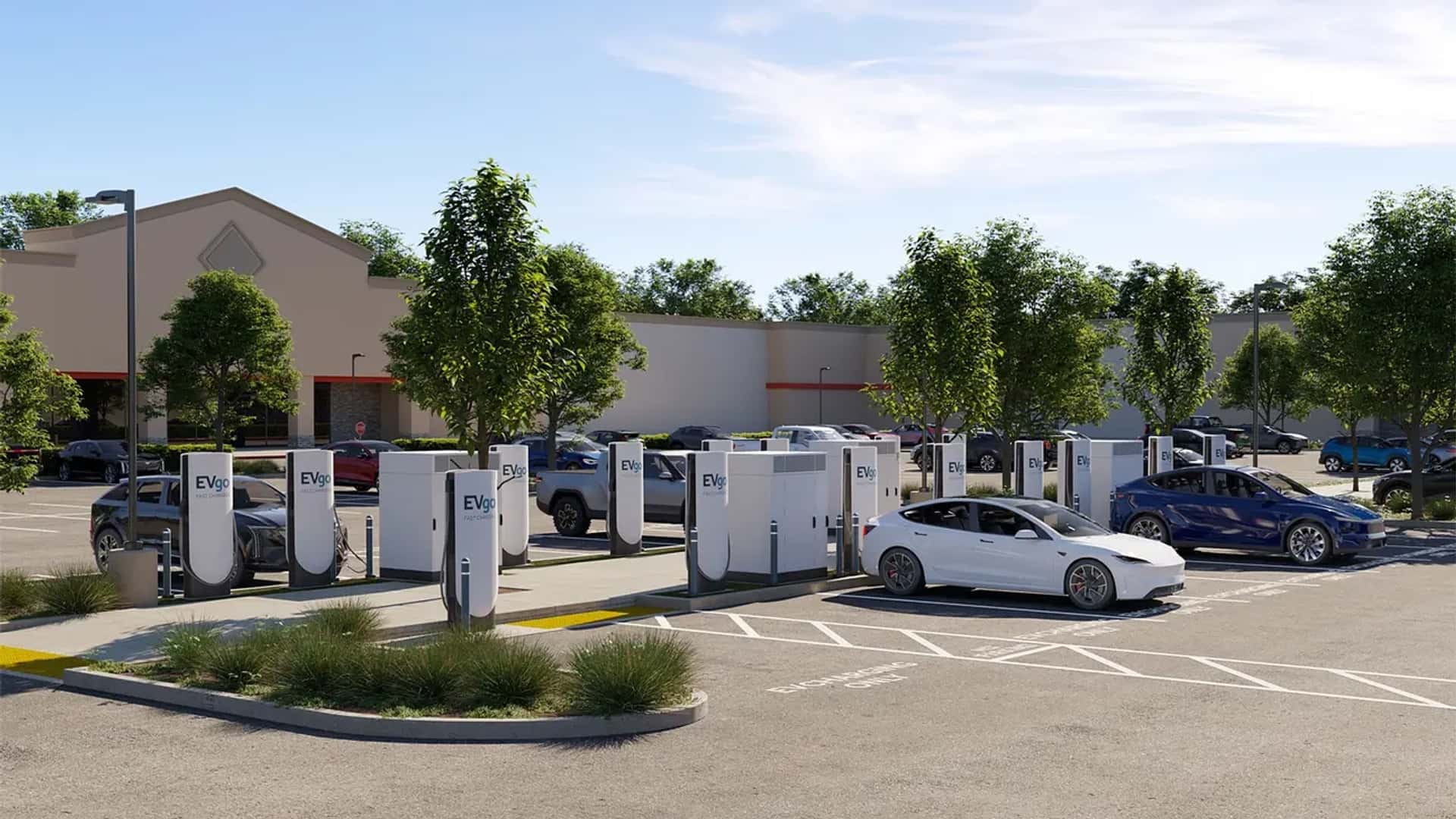
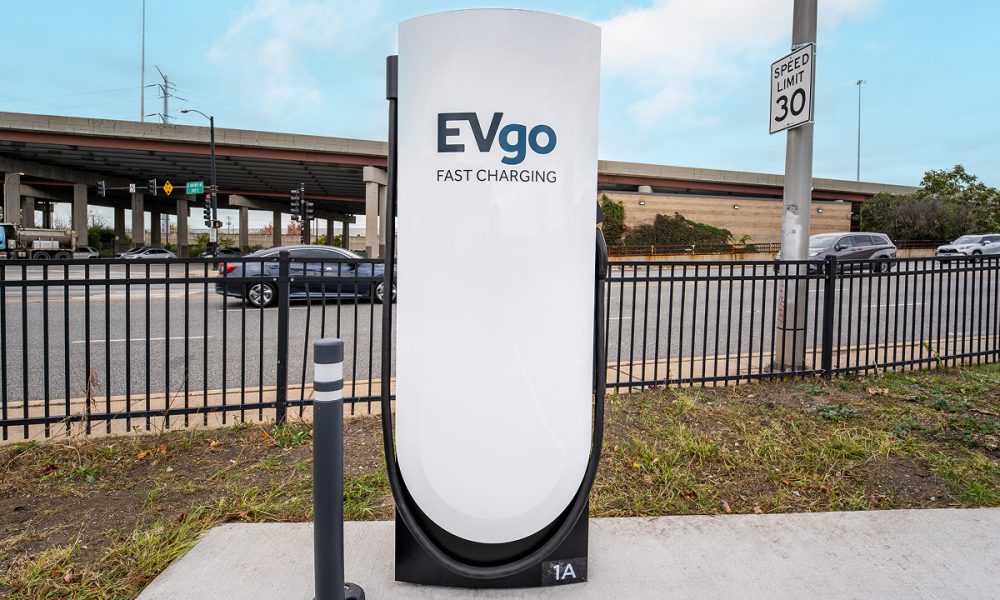
Tesla has announced plans to create Supercharger stations specifically designed for robotaxis. This move will streamline the charging process for electric cabs, which currently rely on public Superchargers at night, where operators manually plug them in. The details on the rollout timeline and specific locations for these dedicated stations are still unclear.

Key takeaways
30-second read- 1Dedicated Supercharger stations for robotaxis could improve charging efficiency, potentially lowering operational costs for EV taxi services.
- 2This development may enhance the availability of charging infrastructure, benefiting both robotaxi operators and traditional EV owners during peak hours.
- 3The introduction of these stations could signal a shift in how charging networks are utilized, impacting future EV infrastructure planning.
Confirmed
No official source linked yet
Reported
Secondary reporting: InsideEVs
Verify yourself
Eligibility, local prices and dates for your car, state or utility

Tesla's New Supercharger Stations for Robotaxis
Tesla has announced plans to establish Supercharger stations specifically for robotaxis, marking a significant shift in the way electric cabs will charge. Currently, public Superchargers are utilized by operators who manually plug in electric cabs at night. The introduction of dedicated stations aims to streamline this process, making it more efficient for robotaxi services.
What Changed
The key change is Tesla's commitment to developing Supercharger stations that cater exclusively to robotaxis. This initiative is expected to facilitate faster and more efficient charging for electric cabs, which are becoming increasingly prevalent in urban areas. By providing dedicated charging infrastructure, Tesla aims to support the growing demand for autonomous taxi services.
Why It Matters for Buyers and Owners
-
Operational Efficiency: The dedicated Supercharger stations could significantly improve charging efficiency for robotaxi operators, potentially lowering their operational costs and making electric taxis more competitive against traditional vehicles.
-
Enhanced Charging Availability: With robotaxis having their own charging stations, traditional EV owners may find that public Superchargers are more readily available during peak hours, as fewer vehicles will be competing for the same charging spots.
-
Future Infrastructure Planning: This development may influence how charging networks are designed and implemented in the future, as Tesla and other manufacturers look to accommodate the growing robotaxi market.
Key Details from Source Material
According to InsideEVs, the current practice involves public Superchargers being used at night for electric cabs, where operators manually connect the vehicles to the charging stations. This manual process can be time-consuming and inefficient, especially as the demand for electric taxis increases. Tesla's move to create dedicated Supercharger stations aims to alleviate these issues by providing a more streamlined charging solution tailored for robotaxis.
What to Watch Next
While Tesla's plans for dedicated Supercharger stations for robotaxis are promising, specific details regarding the rollout timeline, locations, and the technology that will be used remain unclear. As Tesla continues to develop this initiative, EV buyers and owners should keep an eye on updates regarding the locations of these new stations and how they may impact the overall charging landscape. Additionally, the implications for traditional EV owners and how they will coexist with the growing robotaxi infrastructure will be crucial to monitor in the coming months.
Buying guide: Best Level 2 Home EV Charger (2026): How to Choose
Sources
1 media- [1]Tesla Will Make Supercharger Stations Just For RobotaxisMedia
InsideEVs · insideevs.com · published Sep 9
Newsletter
Weekly EV signal. No spam.
Comments
Log in with
Loading comments…