
Tesla Settles Wrongful Death Lawsuit Related to Speed Limiter
Updated April 21, 2026
3 min read
1 linked source
Tesla has reached a settlement in a wrongful death lawsuit concerning the death of an 18-year-old passenger in a high-speed crash. The lawsuit claimed that a Tesla technician disabled the vehicle's speed limiter without parental consent. The terms of the settlement remain undisclosed, and it was confirmed just before jury selection was set to begin in Broward County court.
Share this story
Why it matters
- ✓This case highlights ongoing concerns about vehicle safety and the responsibilities of manufacturers regarding modifications made to vehicles.
- ✓Potential implications for how Tesla manages software and hardware features in their vehicles, which could affect future buyers' perceptions of safety.
- ✓The case may influence regulatory scrutiny of Tesla's practices and policies, impacting the company's reputation and possibly its market performance.
Reporting notes
EV Signal briefs are written to explain the verified change first, then add the context EV buyers and owners need to understand cost, availability, charging access, eligibility, or ownership impact.
If details are still developing, we try to say what is confirmed, what comes from secondary reporting, and what readers should verify before acting.
Source mix
1 linked source
1 media
Reviewed from: Electrek.
Tesla Settles Wrongful Death Lawsuit Related to Speed Limiter
Tesla has settled a wrongful death lawsuit involving the family of an 18-year-old passenger who died in a crash while traveling at 116 mph in Fort Lauderdale. The lawsuit, which alleged that a Tesla technician disabled the vehicle's speed limiter without parental consent, was settled just as jury selection was about to commence in Broward County court. The terms of the settlement have not been disclosed.
What Changed
The key development here is the settlement of the wrongful death lawsuit, which focused on the alleged unauthorized modification of the vehicle's speed limiter. This case is notable as it does not involve Tesla's Autopilot system, which has been the subject of numerous lawsuits and regulatory scrutiny in the past.
Why It Matters for Buyers/Owners
- Safety Concerns: The lawsuit underscores ongoing concerns regarding vehicle safety and the extent of control manufacturers have over their vehicles' features. Buyers may be more cautious about the implications of software and hardware modifications.
- Manufacturer Responsibility: The case raises questions about the responsibilities of manufacturers in ensuring that safety features, such as speed limiters, are properly maintained and not altered without consent. This could influence how Tesla and other manufacturers approach vehicle modifications in the future.
- Regulatory Scrutiny: As Tesla continues to face legal challenges, this case may lead to increased regulatory scrutiny regarding their practices and policies, potentially affecting their market reputation and sales.
Key Details from Source Material
According to Electrek, the lawsuit was filed by the family of the deceased passenger, alleging that a technician had disabled the speed limiter without the necessary parental consent. The settlement was confirmed shortly before jury selection was set to begin, indicating that Tesla sought to resolve the matter before it went to trial. The details of the settlement, including any financial compensation or terms, remain undisclosed.
What to Watch Next
As the details surrounding this case are still developing, it will be important to monitor any statements from Tesla regarding their policies on vehicle modifications and safety features. Additionally, the outcome of this case may set a precedent for how similar lawsuits are handled in the future, particularly those involving vehicle safety and manufacturer responsibilities. Stakeholders in the EV market should remain aware of any regulatory changes that may arise as a result of increased scrutiny on Tesla's practices.
Sources
These are the documents and reports used to build this brief so readers can verify the story directly.
Comments
Log in with
Loading comments…
More in Ownership
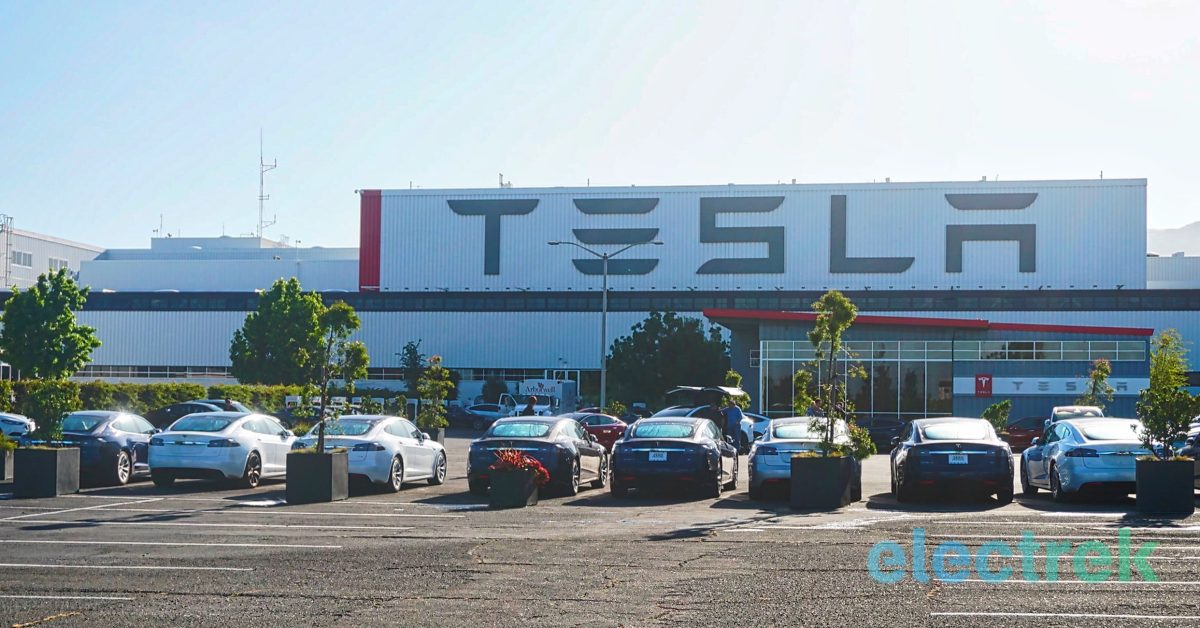
Tesla's Lawyers Misled Witness in Racism Trial
Tesla's ongoing racism trial in California has faced significant setbacks as it was revealed that a…
18h ago
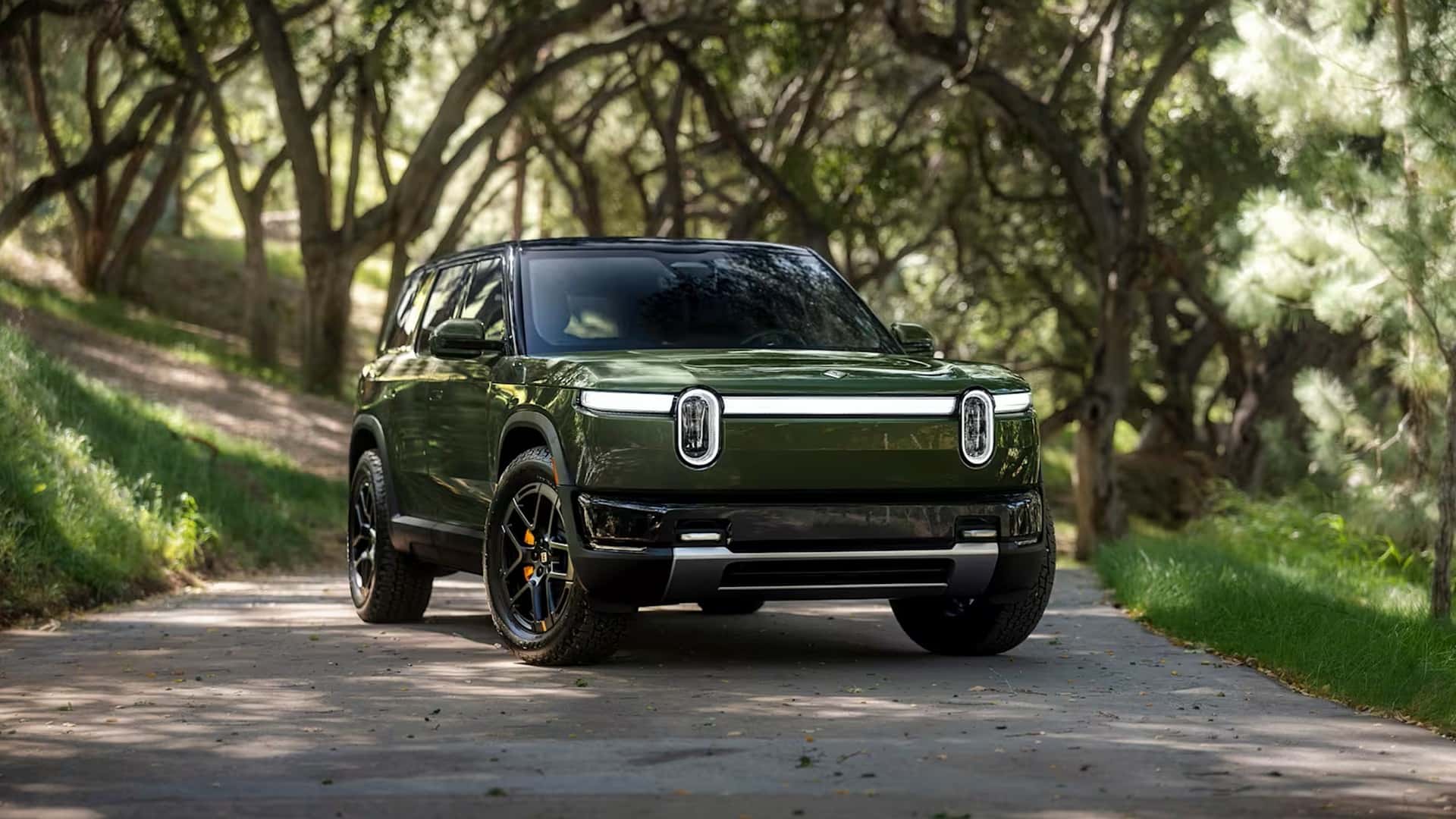
Rivian R2 Faces First Recall Due to Camera Issue
Rivian has issued a recall affecting nearly 99,000 vehicles, including some of its new R2 models,…
18h ago
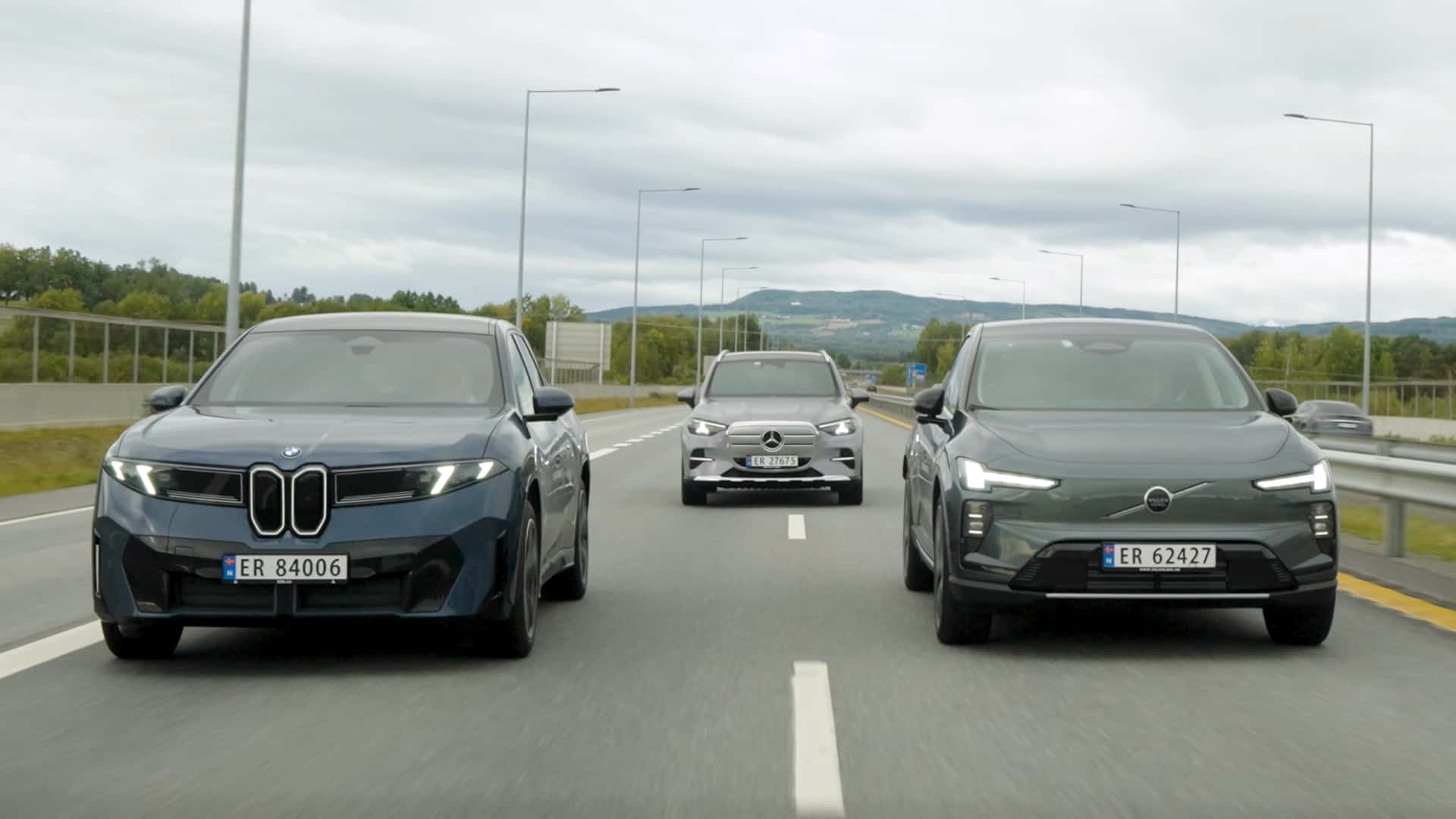
BMW iX3 Outperforms Mercedes GLC and Volvo EX60 in Highway Efficiency Test
In a recent highway test, the BMW iX3 demonstrated superior energy efficiency and range compared to…
1d ago
PHEV Batteries Show Resilience Despite Frequent Cycling
Plug-in hybrid electric vehicles (PHEVs) experience more frequent battery cycling than fully…
1d ago