
Tesla Cybertruck Approved for Vehicle-to-Grid Program in California
Updated April 21, 2026
3 min read
1 linked source
The Tesla Cybertruck has been approved to participate in California's Vehicle-to-Everything (V2X) pilot program, allowing it to sell power back to the state's grid. This marks the first instance of an AC-based vehicle-to-grid system being approved for residential use in California, offering up to $4,500 in incentives for equipment and installation. This approval could simplify the integration of EVs into home energy systems for owners.
Share this story
Why it matters
- ✓The Cybertruck's approval for V2X could lower ownership costs for EV buyers by providing an additional revenue stream through power sales.
- ✓The AC-based system is technically simpler and cheaper to implement than the DC-based systems used by other manufacturers, potentially making it more accessible for homeowners.
- ✓This development may encourage more EV owners to consider vehicle-to-grid technology, enhancing energy resilience and sustainability.
Reporting notes
EV Signal briefs are written to explain the verified change first, then add the context EV buyers and owners need to understand cost, availability, charging access, eligibility, or ownership impact.
If details are still developing, we try to say what is confirmed, what comes from secondary reporting, and what readers should verify before acting.
Source mix
1 linked source
1 media
Reviewed from: Electrek.
Tesla Cybertruck Approved for Vehicle-to-Grid Program
The Tesla Cybertruck has officially been approved to participate in California's Vehicle-to-Everything (V2X) pilot program, allowing it to sell power back to the state's electrical grid. This significant development makes the Cybertruck the first AC-based vehicle-to-grid asset approved for residential use in California, a notable shift from the DC-based systems utilized by other manufacturers like Ford and GM.
What Changed
Under the new program, Tesla Cybertruck owners can now contribute energy back to the grid, providing a potential income stream while also supporting grid stability. The approval comes with incentives of up to $4,500 to help cover the costs of necessary equipment and installation. This initiative is part of a broader effort by Pacific Gas and Electric (PG&E) to integrate electric vehicles into the energy ecosystem, promoting renewable energy use and reducing reliance on fossil fuels.
Why It Matters for Buyers and Owners
The approval of the Cybertruck for the V2X program has several implications for current and prospective EV owners:
- Cost Savings: By enabling owners to sell excess power back to the grid, the Cybertruck could help offset ownership costs, making it a more financially attractive option for buyers.
- Simpler Technology: The AC-based system is technically simpler and cheaper to implement than the DC-based setups used by competitors. This could lead to lower installation costs and easier integration for homeowners.
- Encouragement for Adoption: The approval may encourage more EV owners to explore vehicle-to-grid technology, enhancing energy resilience and sustainability in their homes.
Key Details from Source Material
According to Electrek, this approval marks a significant milestone for the integration of electric vehicles into residential energy systems. The V2X pilot program aims to demonstrate the viability of vehicle-to-grid technology, which allows EVs to act as energy storage units that can provide power back to the grid during peak demand periods. This is particularly important in California, where energy demand can fluctuate significantly, especially during extreme weather events.
The incentives provided by PG&E are designed to encourage participation in the program, making it financially feasible for homeowners to invest in the necessary infrastructure. This includes equipment such as bidirectional chargers that can facilitate the flow of electricity between the vehicle and the home or grid.
What to Watch Next
As this program unfolds, it will be important to monitor how many Cybertruck owners participate and the overall impact on California's energy grid. Additionally, further details regarding the implementation process, including the specific equipment required and the logistics of selling power back to the grid, are still developing. Potential participants should stay informed about updates from PG&E and Tesla regarding the program's rollout and any changes to the incentive structure.
In conclusion, the approval of the Tesla Cybertruck for California's V2X pilot program represents a significant advancement in the integration of electric vehicles into residential energy systems, offering potential financial benefits and promoting sustainable energy practices.
Sources
These are the documents and reports used to build this brief so readers can verify the story directly.
Comments
Log in with
Loading comments…
More in Ownership
Tesla's Lawyers Misled Witness in Racism Trial
Tesla's ongoing racism trial in California has faced significant setbacks as it was revealed that a…
18h ago

Rivian R2 Faces First Recall Due to Camera Issue
Rivian has issued a recall affecting nearly 99,000 vehicles, including some of its new R2 models,…
18h ago
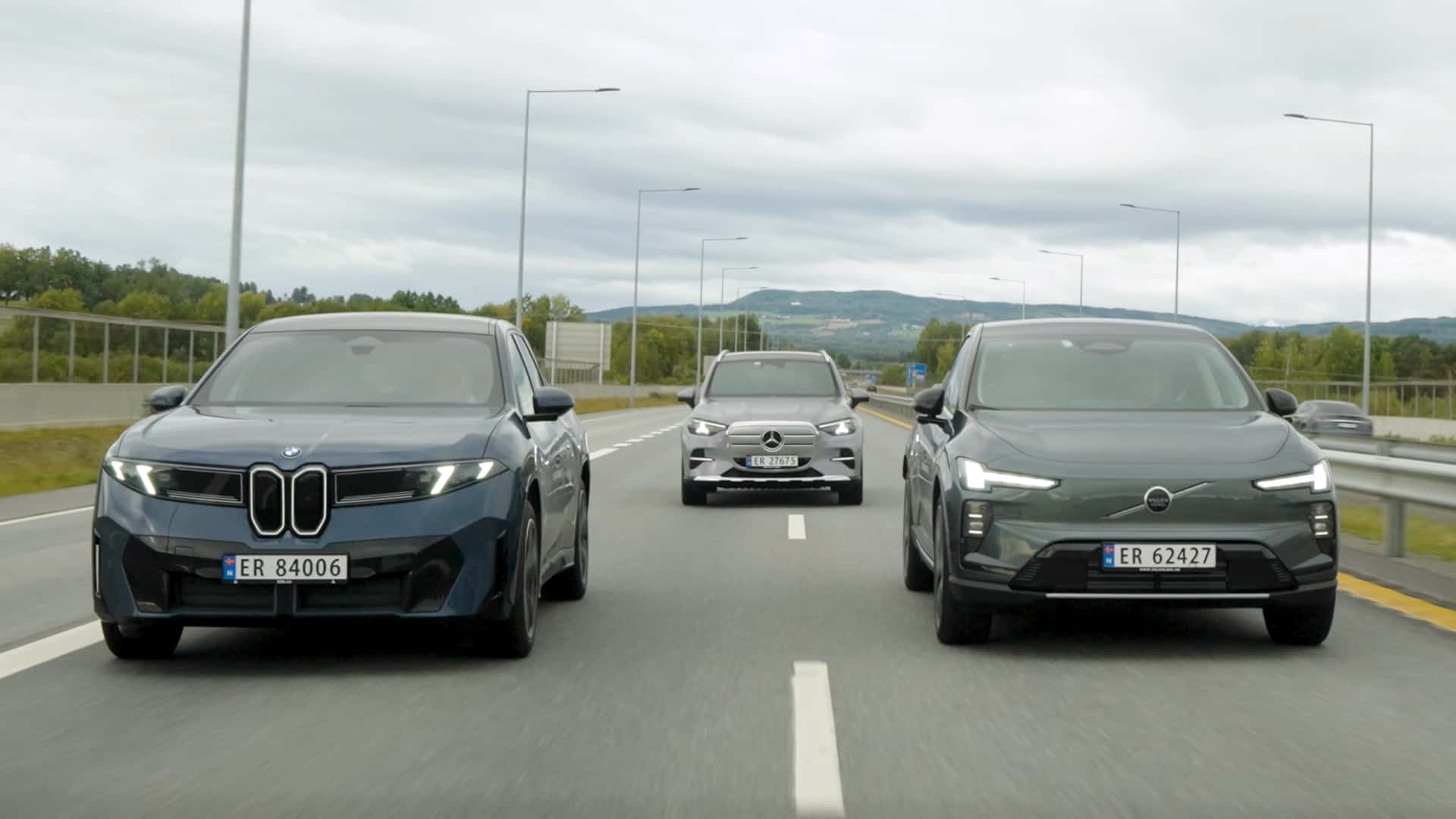
BMW iX3 Outperforms Mercedes GLC and Volvo EX60 in Highway Efficiency Test
In a recent highway test, the BMW iX3 demonstrated superior energy efficiency and range compared to…
1d ago
PHEV Batteries Show Resilience Despite Frequent Cycling
Plug-in hybrid electric vehicles (PHEVs) experience more frequent battery cycling than fully…
1d ago