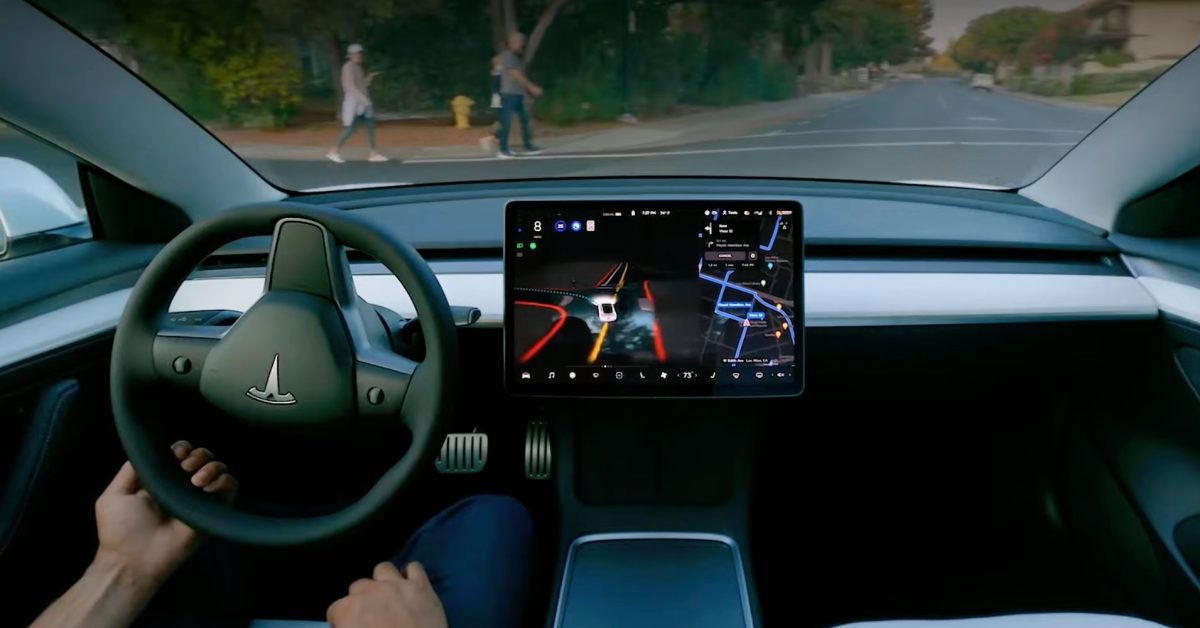
Tesla Remote Operators Involved in Multiple Robotaxi Crashes

Edited by Dash Coilwright
Incentives & Software
Updated October 15, 2026
3 min read
1 linked source
Recent crash reports from Tesla reveal that remote operators have been involved in five separate 'Robotaxi' crashes, all resulting in collisions. This raises concerns about the safety and reliability of remote operation in Tesla's autonomous vehicles, particularly as these incidents are not attributed to the car's autonomous driving system.
Share this story
Why it matters
- ✓Increased scrutiny on Tesla's autonomous vehicle technology may affect consumer confidence and sales.
- ✓Potential regulatory implications could lead to changes in how Tesla markets its Robotaxi service.
- ✓Owners of Tesla vehicles may face higher insurance premiums due to the increased risk associated with remote operation.
Tesla's Robotaxi Crashes Involving Remote Operators
Recent data submitted to federal regulators has revealed that Tesla's remote operators have been involved in multiple crashes of its 'Robotaxi' vehicles. Specifically, two new incidents have been reported, bringing the total number of crashes involving remote operators to five. Notably, every instance of remote takeover during these crashes has resulted in a collision, raising significant concerns about the safety of this technology.
What Changed
The latest crash reports indicate that the involvement of remote operators in Tesla's Robotaxi crashes is not an isolated issue. With five documented incidents where remote operators were at the controls during crashes, it highlights a troubling trend that could impact the perception of Tesla's autonomous driving capabilities. This data suggests that the remote operation aspect of Tesla's technology may require further scrutiny and improvement.
Why It Matters for Buyers and Owners
The implications of these crashes extend beyond just the immediate safety concerns:
- Consumer Confidence: The revelation of multiple crashes involving remote operators could lead to decreased consumer confidence in Tesla's autonomous vehicle technology. Buyers may hesitate to invest in a vehicle that has demonstrated safety issues, particularly in a market increasingly focused on safety and reliability.
- Regulatory Scrutiny: As these incidents come to light, regulatory bodies may impose stricter guidelines on Tesla's autonomous vehicle operations. This could result in changes to how Tesla markets its Robotaxi service, potentially affecting its availability and operational model.
- Insurance Costs: Owners of Tesla vehicles, especially those utilizing the Robotaxi feature, may see an increase in insurance premiums. Insurers often adjust rates based on perceived risk, and the recent crash data could signal a higher risk associated with remote operation.
Key Details from Source Material
According to a report by Electrek, the latest crash reports indicate that remote operators were responsible for the crashes, not the vehicle's autonomous driving system. This distinction is crucial as it underscores the limitations of remote operation technology in real-world scenarios. The fact that all remote takeovers have ended in collisions raises questions about the reliability and safety of this feature, which is a cornerstone of Tesla's vision for autonomous transportation.
What to Watch Next
As this situation develops, it will be important to monitor how Tesla responds to these incidents. Key areas to watch include:
- Regulatory Responses: Look for announcements from federal regulators regarding any potential investigations or changes in policy related to Tesla's autonomous vehicle operations.
- Tesla's Safety Measures: Keep an eye on any updates from Tesla regarding improvements or changes to their remote operation technology, as well as how they plan to address safety concerns.
- Market Reactions: Observe consumer sentiment and market reactions to these incidents, as they could influence Tesla's sales and stock performance in the coming months.
In conclusion, the involvement of remote operators in multiple Robotaxi crashes presents significant challenges for Tesla as it seeks to establish itself as a leader in autonomous vehicle technology. The implications for buyers, owners, and the broader market are substantial, warranting close attention as the situation evolves.
Sources
These are the documents and reports used to build this brief so readers can verify the story directly.
- Tesla remote operators keep crashing its ‘Robotaxis,’ data shows — ElectrekMEDIA
Reporting notes
EV Signal briefs are written to explain the verified change first, then add the context EV buyers and owners need to understand cost, availability, charging access, eligibility, or ownership impact.
If details are still developing, we try to say what is confirmed, what comes from secondary reporting, and what readers should verify before acting.
Source mix
1 linked source
1 media
Reviewed from: Electrek.
Newsletter
Weekly EV signal. No spam.
Comments
Log in with
Loading comments…
More in Software

Rivian to Introduce AI Agents in Upcoming Vehicles
Rivian has announced plans to integrate AI agents into its vehicles, enhancing the driving…
2h ago

Volvo Expands Partnership with Nvidia for Enhanced Automated Driving Systems
Volvo is expanding its long-standing partnership with Nvidia to enhance its automated driving…
2h ago

Volvo to Implement Nvidia's AI for Hands-Free Driving by 2030
Volvo has announced plans to introduce a hands-free, point-to-point driving system by 2030,…
2h ago
Tesla Confirms Autopilot Engaged During Fatal Crash in New Jersey
Tesla has confirmed that its Autopilot or Full Self-Driving (FSD) system was engaged when a vehicle…
2h ago