Tesla Confirms Autopilot Engaged During Fatal Crash in New Jersey

Edited by Dash Coilwright
Incentives & Software
Updated October 15, 2026
3 min read
1 linked source
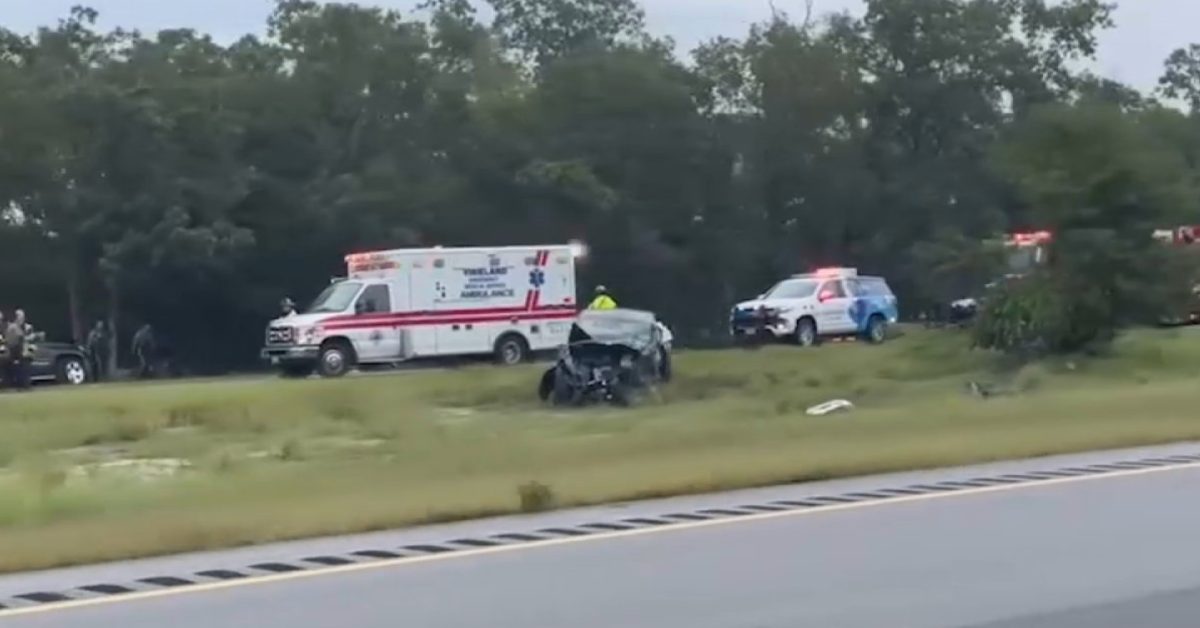
Tesla has confirmed that its Autopilot or Full Self-Driving (FSD) system was engaged when a vehicle crossed a median and resulted in a fatal crash in New Jersey. The incident involved a collision with an SUV driven by 68-year-old Phillip Eastman, who was killed in the accident. This revelation raises questions about the safety and reliability of Tesla's driver-assist technologies.
Share this story
Why it matters
- ✓This incident highlights potential safety concerns regarding Tesla's Autopilot and FSD systems, which may affect buyer confidence.
- ✓Understanding the limitations and risks associated with driver-assist technologies is crucial for current and prospective EV owners.
- ✓Ongoing investigations into such incidents could lead to regulatory scrutiny, impacting Tesla's operations and the broader EV market.
Tesla Confirms Autopilot Engaged During Fatal Crash
Tesla has confirmed that its Autopilot or Full Self-Driving (FSD) system was engaged during a tragic accident in New Jersey that resulted in the death of 68-year-old Phillip Eastman. The vehicle crossed a grass median on Route 55, struck a tree, and collided head-on with an SUV driven by Eastman. This confirmation comes as part of an ongoing investigation by Electrek, which is analyzing reported crashes against Tesla's redacted data submitted to federal regulators.
What Changed
The key change in this situation is the acknowledgment from Tesla that its driver-assist technology was active at the time of the crash. Initially, local police reported the incident as a case of driver loss of control without mentioning the involvement of Tesla's Autopilot or FSD systems. This new information raises serious questions about the safety and reliability of these technologies, especially in critical driving situations.
Why It Matters for Buyers and Owners
The implications of this incident are significant for both current and potential Tesla owners:
- Safety Concerns: The confirmation that Autopilot was engaged during a fatal accident may lead to increased scrutiny of Tesla's driver-assist features, affecting buyer confidence and potentially influencing purchasing decisions.
- Regulatory Scrutiny: As investigations into this incident continue, there may be regulatory repercussions for Tesla, which could impact the availability and functionality of its driver-assist technologies.
- Informed Decision-Making: For EV buyers, understanding the limitations and risks associated with advanced driver-assist systems is crucial. This incident serves as a reminder that such technologies are not infallible and require driver oversight.
Key Details from Source Material
According to Electrek, the accident occurred when a Tesla vehicle crossed the median, hit a tree, and then collided with Eastman's SUV. While police initially reported the incident as a loss of control by the driver, Tesla's report to federal regulators indicates that the Autopilot or FSD system was engaged at the time of the crash. This discrepancy highlights the importance of accurate reporting and transparency in the context of advanced vehicle technologies.
What to Watch Next
As investigations into this incident unfold, it will be important to monitor any updates from Tesla regarding the performance and safety of its Autopilot and FSD systems. Additionally, regulatory bodies may respond to this incident with new guidelines or requirements for driver-assist technologies. EV owners and potential buyers should stay informed about these developments, as they could have significant implications for the future of autonomous driving features in electric vehicles.
Sources
These are the documents and reports used to build this brief so readers can verify the story directly.
Reporting notes
EV Signal briefs are written to explain the verified change first, then add the context EV buyers and owners need to understand cost, availability, charging access, eligibility, or ownership impact.
If details are still developing, we try to say what is confirmed, what comes from secondary reporting, and what readers should verify before acting.
Source mix
1 linked source
1 media
Reviewed from: Electrek.
Newsletter
Weekly EV signal. No spam.
Comments
Log in with
Loading comments…
More in Software

Rivian to Introduce AI Agents in Upcoming Vehicles
Rivian has announced plans to integrate AI agents into its vehicles, enhancing the driving…
1h ago

Volvo Expands Partnership with Nvidia for Enhanced Automated Driving Systems
Volvo is expanding its long-standing partnership with Nvidia to enhance its automated driving…
1h ago

Volvo to Implement Nvidia's AI for Hands-Free Driving by 2030
Volvo has announced plans to introduce a hands-free, point-to-point driving system by 2030,…
1h ago
Tesla Remote Operators Involved in Multiple Robotaxi Crashes
Recent crash reports from Tesla reveal that remote operators have been involved in five separate…
1h ago