Tesla Plans First Robotaxi-Only Supercharger Stations in Arizona
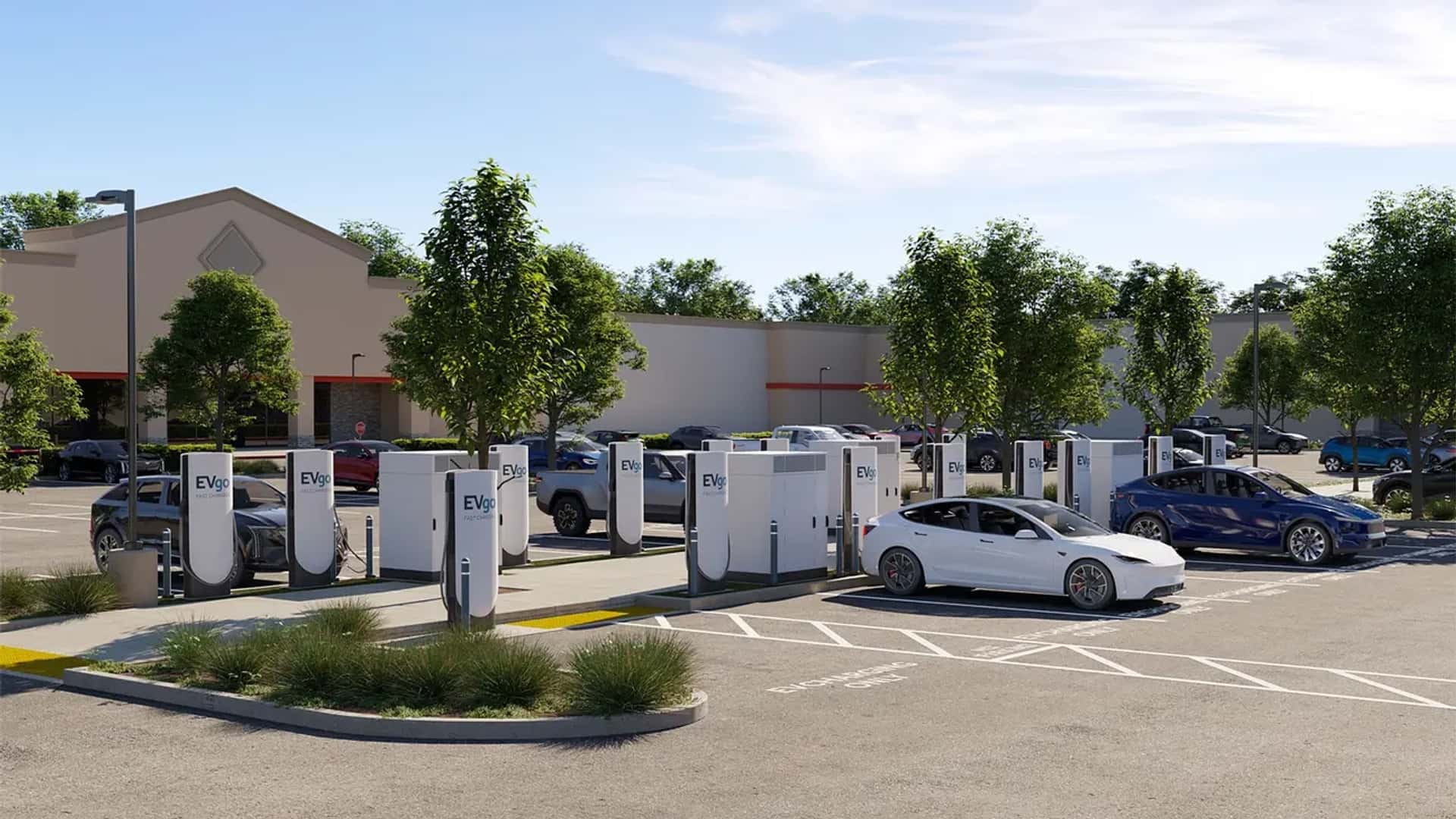
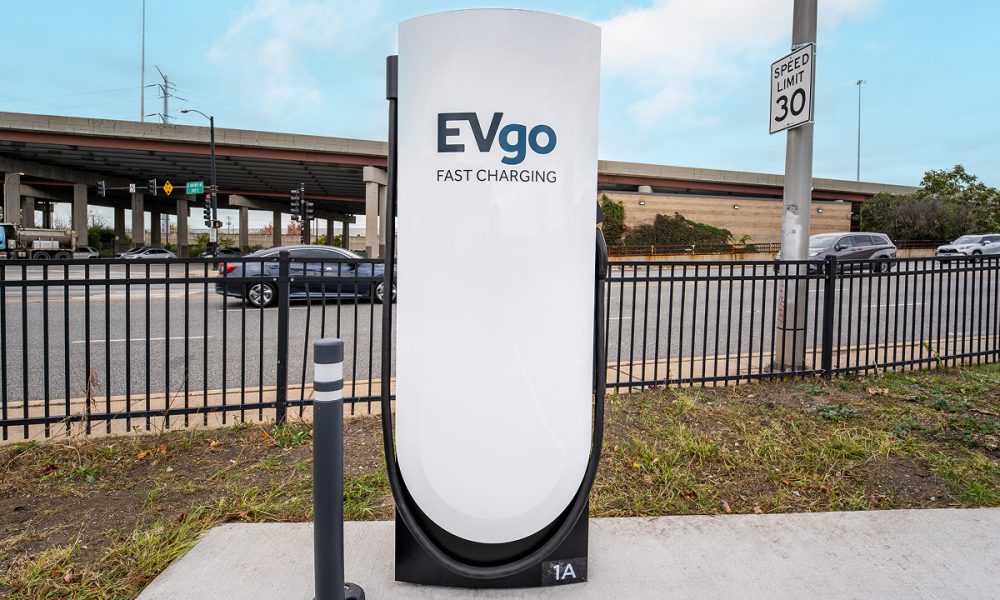
Tesla has submitted permit applications for two Supercharger stations in Arizona that will be exclusively for its Robotaxi fleet. This initiative marks the first time Tesla has designed charging infrastructure specifically for autonomous vehicles, with the stations not open to the public.

Key takeaways
30-second read- 1This development indicates Tesla's commitment to expanding its autonomous vehicle infrastructure, potentially enhancing the efficiency of Robotaxi operations.
- 2The exclusive nature of these Supercharger stations means that only Tesla's Robotaxi fleet will have access, which could limit charging options for other Tesla owners in the area.
- 3As the Robotaxi service expands, it may influence the overall availability and pricing of Tesla vehicles, particularly for those considering the Robotaxi model.
Confirmed
No official source linked yet
Reported
Secondary reporting: Electrek
Verify yourself
Eligibility, local prices and dates for your car, state or utility

Tesla's New Charging Infrastructure for Robotaxis
Tesla has taken a significant step in the realm of autonomous vehicles by submitting permit applications for two dedicated Supercharger stations in Arizona, specifically for its Robotaxi fleet. This marks a pivotal moment as it is the first time the automaker has planned charging infrastructure tailored exclusively for autonomous vehicles.
What Changed
The permit filings, which were uncovered in municipal records for the cities of Chandler and Mesa, indicate that these will be V4 Supercharger stalls. Unlike traditional Supercharger stations, these locations will not be accessible to the general public, emphasizing their exclusive use for Tesla's Robotaxi operations.
Why It Matters for Buyers and Owners
-
Enhanced Efficiency for Robotaxi Operations: The establishment of dedicated Supercharger stations could streamline the charging process for Tesla's Robotaxi fleet, potentially improving service efficiency and reducing wait times for passengers.
-
Limited Access for Other Tesla Owners: Since these Supercharger stations will not be open to the public, other Tesla owners in the vicinity may find their charging options limited, which could affect their day-to-day charging routines.
-
Impact on Vehicle Pricing and Availability: As Tesla expands its Robotaxi service, this could influence the pricing and availability of Tesla vehicles, particularly for those interested in purchasing a Robotaxi model. The focus on autonomous vehicles may also shift consumer interest in traditional Tesla models.
Key Details from Source Material
According to Electrek, the permit applications were filed in Chandler and Mesa, Arizona, and detail plans for V4 Supercharger stalls. The exclusivity of these stations to the Robotaxi fleet is a significant move by Tesla, showcasing its commitment to developing infrastructure that supports autonomous vehicle technology. The specific locations and operational details of these Supercharger stations have not yet been disclosed, and further information may emerge as the permit process unfolds.
What to Watch Next
As Tesla moves forward with these plans, it will be crucial to monitor the permit approval process and any announcements regarding the operational timeline for these Robotaxi-only Supercharger stations. Additionally, observing how this initiative impacts the broader charging infrastructure and Tesla's vehicle offerings will provide insights into the future of autonomous vehicle technology and its integration into everyday use. Keep an eye on updates from Tesla and local Arizona news sources for the latest developments.
Buying guide: Best Level 2 Home EV Charger (2026): How to Choose
Sources
1 media- [1]Tesla submits plans for first Robotaxi-only Supercharger stationsMedia
Electrek · electrek.co · published Apr 21
Newsletter
Weekly EV signal. No spam.
Comments
Log in with
Loading comments…